5 Best Climbing Roses for Arches
The smell of damp earth after a spring rain signals the peak of turgor pressure in the vascular tissues of a rose bush. When selecting the best climbing roses for arches, the objective is to balance apical dominance with lateral flexibility. A successful arch requires a cultivar that produces long, pliable canes capable of being trained horizontally to stimulate axillary bud break. This mechanical stress triggers a hormonal shift, redistributing auxins to produce a vertical wall of blooms rather than a cluster at the terminal tip.
Materials:
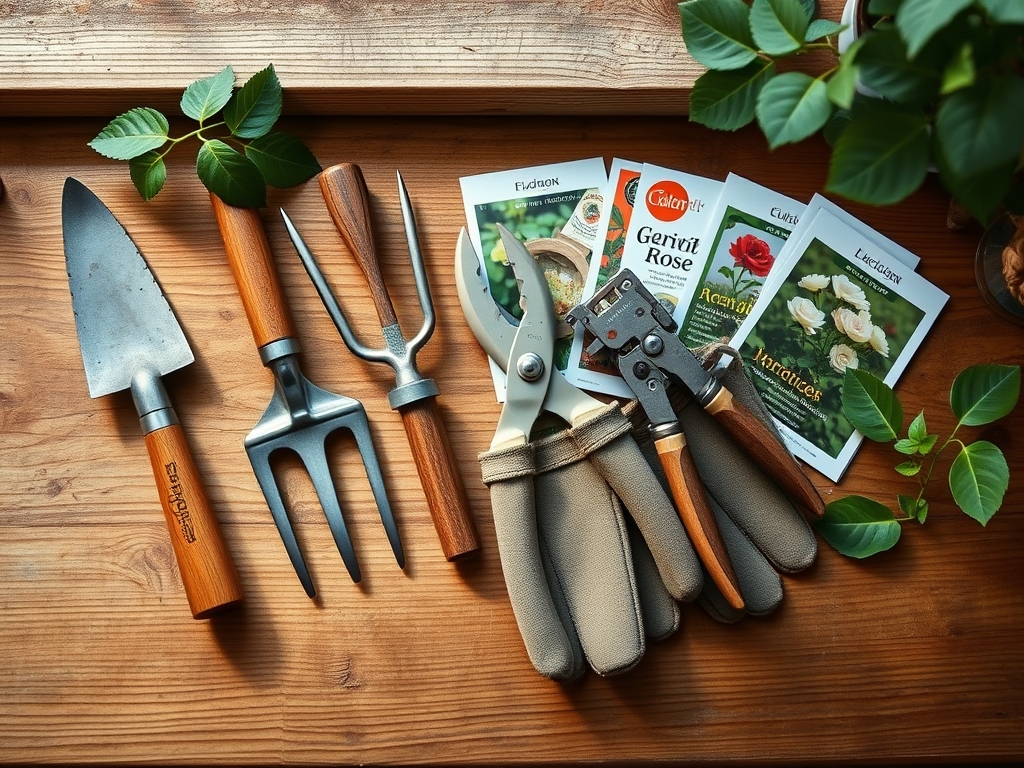
The ideal substrate for climbing roses is a **friable loam** with a high Cation Exchange Capacity (CEC). Roses require a soil pH between **6.0 and 6.5** to ensure maximum bioavailability of micronutrients like iron and manganese.
Before planting, incorporate organic matter to achieve a soil structure that allows for rapid drainage while maintaining moisture at the rhizosphere. For the initial establishment phase, utilize a fertilizer with an NPK ratio of 10-10-10. Once the plant enters its reproductive stage, transition to a 5-10-10 or 5-10-15 formula. High phosphorus levels are critical for root development and bud initiation; however, excessive nitrogen during the late season can lead to succulent growth that is highly susceptible to frost damage. Ensure the soil contains at least 3% to 5% organic matter to support the microbial activity necessary for nutrient cycling.
Timing:
Climbing roses thrive in USDA Hardiness Zones 5 through 9, though specific cultivars like 'New Dawn' can tolerate the lower temperatures of Zone 4. The biological clock of the rose is governed by the photoperiod and soil temperature. Planting should occur when the soil temperature reaches a consistent 45 to 50 degrees Fahrenheit.
In temperate regions, dormant bare-root roses should be installed in late winter or early spring, at least four to six weeks before the last predicted frost. This timing allows the root system to establish before the plant must support the high transpiration demands of new foliage. The transition from the vegetative stage (leaf and cane growth) to the reproductive stage (flower production) is triggered by increasing day length and accumulated heat units. If planting in autumn, ensure the rose has six weeks of growth before the first hard freeze to prevent desiccation of the crown.
Phases:
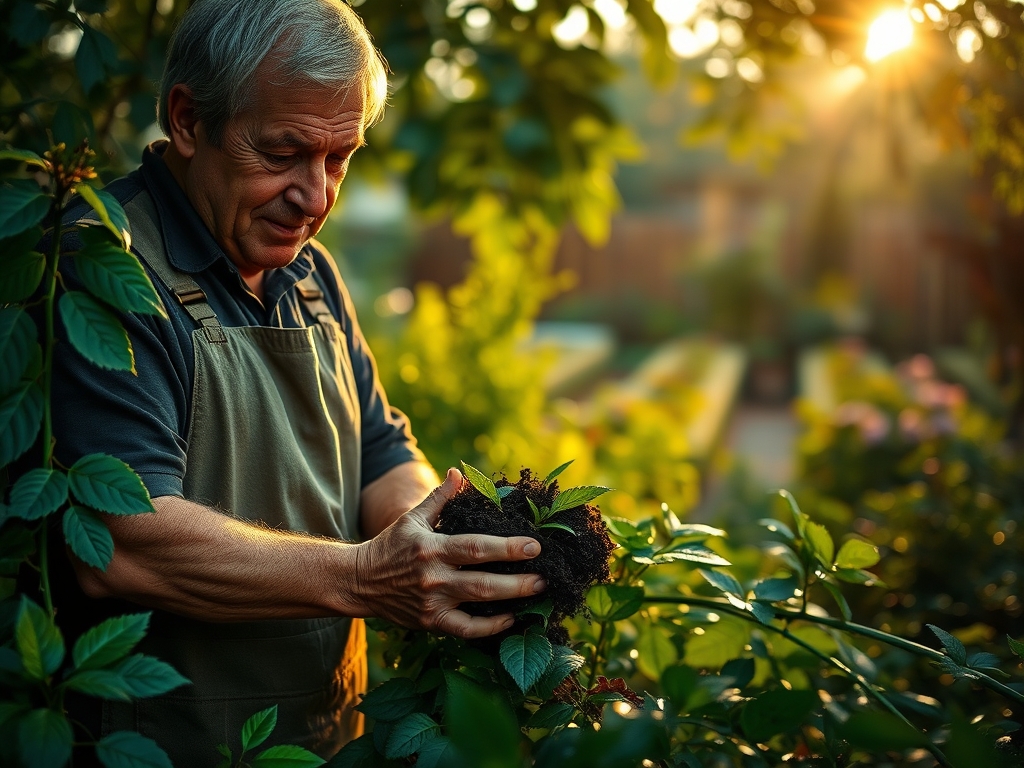
Sowing and Selection
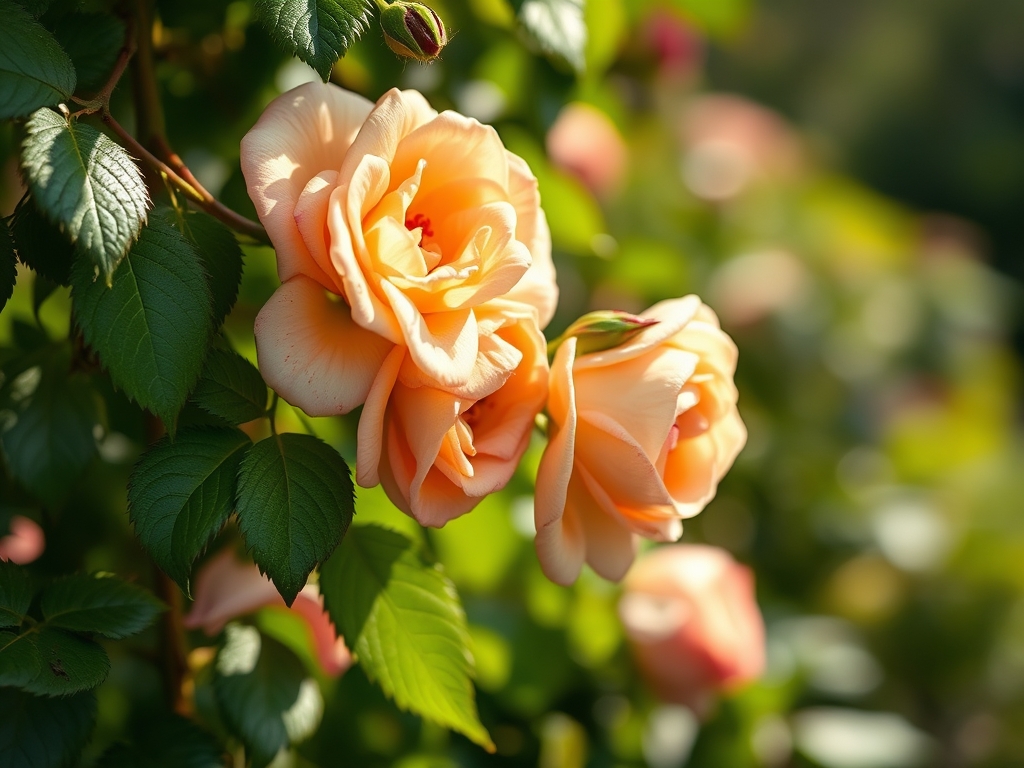
While most climbers are purchased as grafted or own-root specimens rather than seeds, selection is the first phase of success. For an arch, choose cultivars with "lax" canes. The five best climbing roses for arches based on structural integrity and disease resistance are 'Eden' (Meiviolin), 'Cecile Brunner', 'New Dawn', 'Graham Thomas', and 'Lady of Shalott'. These varieties exhibit the necessary vigor to cover a 7-foot to 10-foot structure within three seasons.
Pro-Tip: When selecting plants, check for a robust root-to-shoot ratio. A plant with a high concentration of fine feeder roots will establish faster due to increased surface area for mycorrhizal symbiosis, which enhances phosphorus uptake.
Transplanting
Dig a hole twice as wide as the root ball and exactly as deep. For grafted roses, the bud union (the bulge where the rose is joined to the rootstock) should be positioned 1 to 2 inches below the soil line in cold climates to protect it from freezing. In warmer zones, it can sit at soil level. Backfill with native soil amended with compost, tamping down firmly to eliminate air pockets that cause root desiccation.
Pro-Tip: After transplanting, apply a root-stimulator solution containing Vitamin B1 or seaweed extract. This reduces transplant shock by stabilizing turgor pressure and encouraging the immediate elongation of root hairs.
Establishing and Training
During the first two years, focus entirely on structural growth. Do not prune except to remove dead or diseased wood. As canes grow, lean them at a 45-degree angle or horizontal along the arch. Use soft ties to secure them.
Pro-Tip: Training canes horizontally suppresses apical dominance. This process forces the plant to distribute growth hormones (auxins) evenly along the cane, activating the lateral buds to produce "flowering spurs" that cover the arch from base to peak.
The Clinic:
Physiological disorders often stem from environmental stress or nutrient imbalances rather than pathogens.
-
Symptom: Interveinal chlorosis (yellow leaves with green veins) on new growth.
Solution: This indicates an Iron (Fe) deficiency, often caused by a pH above 7.0.
Fix-It: Apply chelated iron to the soil and adjust pH using elemental sulfur to bring it back to the 6.2 range. -
Symptom: Purplish tint on older leaves and stunted growth.
Solution: Phosphorus (P) deficiency. This is common in cold, wet soils where P becomes immobile.
Fix-It: Apply a high-phosphate liquid fertilizer or bone meal directly to the root zone. -
Symptom: Marginal leaf burn (browning of leaf edges).
Solution: Potassium (K) deficiency or salt accumulation from over-fertilization.
Fix-It: Flush the soil with 3 to 5 gallons of water to leach salts; then apply a balanced, slow-release potassium sulfate.
Maintenance:
Precision is required for long-term arch health. Provide 1.5 inches of water per week, delivered via drip irrigation at the drip line to keep the foliage dry. Use a soil moisture meter to ensure the root zone stays at a consistent 60% to 70% field capacity.
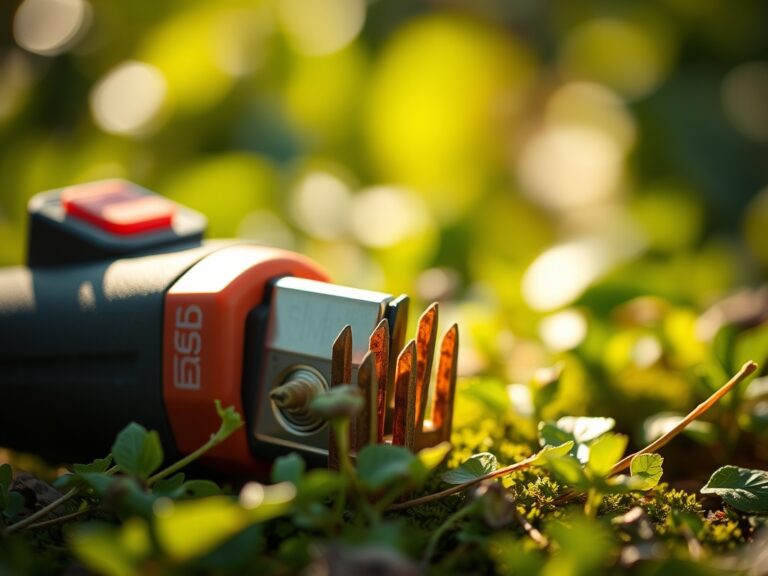
Pruning should be performed with sharp bypass pruners to ensure clean vascular cuts that heal quickly. Use a hori-hori knife to remove suckers emerging from below the graft union; these take energy away from the primary climber. Every three years, remove one or two of the oldest, woodiest canes at the base to stimulate the growth of vigorous new canes from the crown.
The Yield:
Harvesting roses for indoor display requires timing based on the "sepals down" stage. Cut the stem when the first petal begins to unfurl but the bud is still firm. Use a sharp blade to cut at a 45-degree angle just above a five-leaflet leaf set.
To maintain "day-one" freshness, immediately submerge the cut stems in 100-degree Fahrenheit water (tepid) and place them in a cool, dark location for two hours. This process, known as conditioning, maximizes water uptake and prevents premature wilting by ensuring the xylem remains unobstructed by air bubbles.
FAQ:
How often should I fertilize climbing roses?
Apply a balanced 10-10-10 fertilizer in early spring as buds swell. Repeat after the first major flush of blooms. Stop all fertilization six to eight weeks before the first frost to allow the plant to enter dormancy.
Why is my climbing rose only blooming at the top?
This is caused by apical dominance. Auxins concentrate at the highest point of the plant. To fix this, untie the canes and retrain them horizontally or in a spiral around the arch to activate lateral flowering buds.
What is the best mulch for roses on an arch?
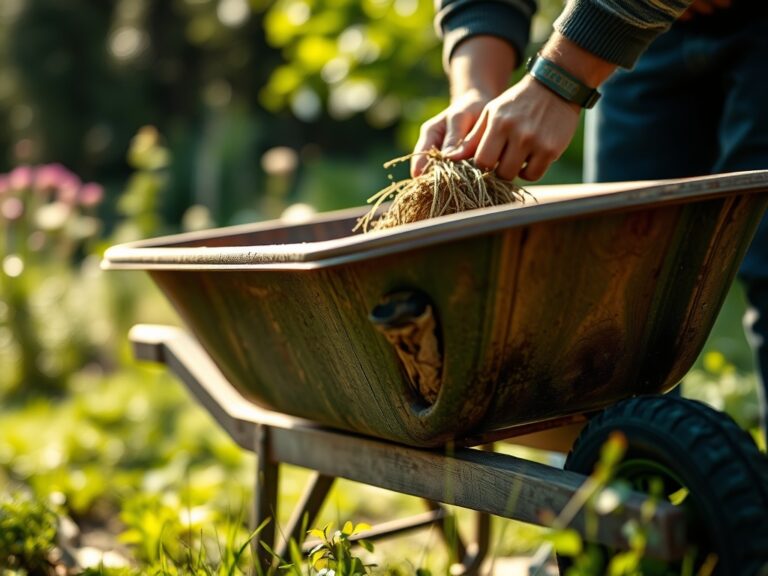
Use 2 to 3 inches of shredded hardwood or high-quality compost. Mulch regulates soil temperature, maintains moisture, and prevents soil-borne pathogens from splashing onto the foliage during rain. Keep mulch 3 inches away from the main trunk.
How do I prune a climber that has overgrown its arch?
Prune in late winter during dormancy. Identify the three to five strongest "main" canes and remove the oldest, graying wood at the base. Shorten lateral flowering spurs to two or three buds to encourage vigorous new flowering wood.