9 Pro Tips How to Maintain Lawnmower Blades
The smell of crushed chlorophyll and damp earth signals the start of the growing season; however, a ragged leaf tip indicates mechanical failure rather than biological disease. When a blade is dull, it hacks through the vascular tissue of the grass blade instead of slicing it. This creates a jagged wound that increases surface area for transpiration, leading to rapid moisture loss and systemic stress. Learning how to maintain lawn mower blades ensures that the grass maintains high turgor pressure and structural integrity.
Materials:
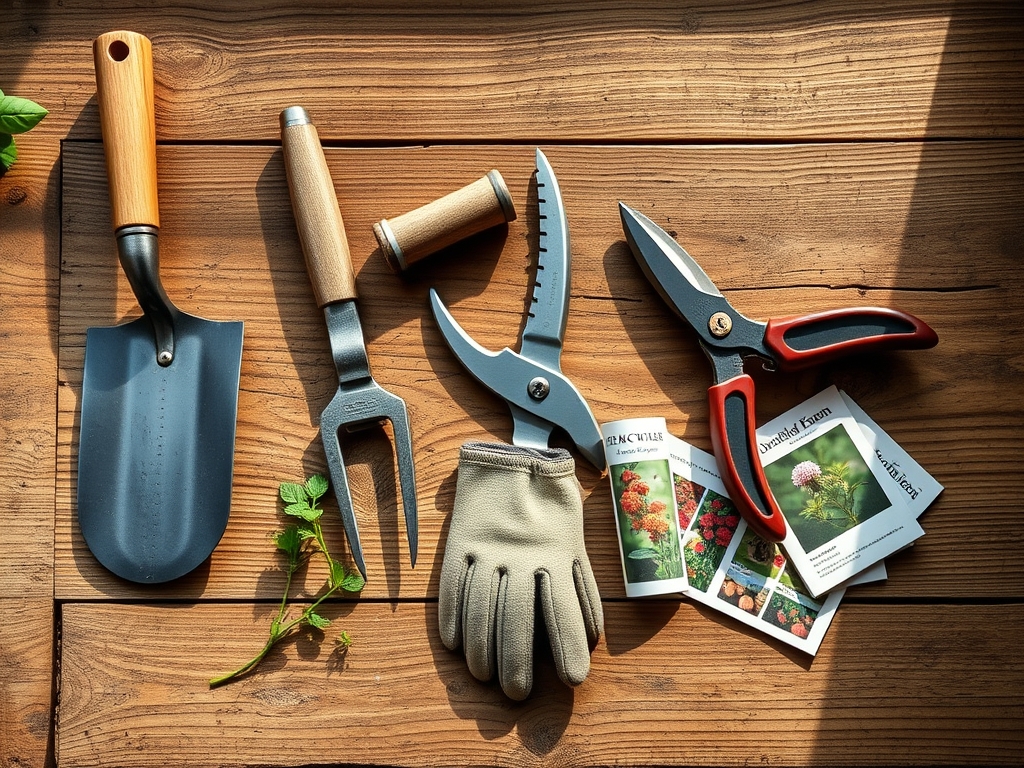
To support the physiological recovery of the turf after maintenance, the soil environment must be optimized. Maintain a **pH between 6.2 and 7.0** to ensure maximum nutrient bioavailability. The substrate should be a friable loam with a high **Cation Exchange Capacity (CEC)** to hold onto essential ions. After sharpening and mowing, apply a fertilizer with an **NPK ratio of 4-1-2** to provide the nitrogen necessary for rapid cell division in the meristematic tissue. Use a 10-inch mill bastard file, a bench grinder, and a blade balancer to achieve a precise 30 degree bevel.
Timing:
Maintenance schedules must align with the Hardiness Zones and the biological clock of the specific turfgrass species. In Zones 4 through 7, blade maintenance should occur before the first flush of spring growth, typically when soil temperatures reach a consistent 55 degrees Fahrenheit. This coincides with the transition from dormancy to the vegetative stage. For warm-season grasses in Zones 8 through 11, sharpen blades every 25 hours of operation to prevent the tearing of dense stolons and rhizomes during the peak reproductive phase in mid-summer.
Phases:

Inspection and Removal
Disconnect the spark plug wire to prevent accidental combustion. Tilt the mower with the air filter facing upward to prevent oil from infiltrating the carburetor. Use a 15/16-inch socket wrench to remove the mounting bolt. Inspect the blade for "thinning" at the trailing edge, which occurs due to sand abrasion.
Pro-Tip: If the blade shows signs of "cupping" or significant metal loss, replace it immediately. A compromised blade loses its aerodynamic lift, which is essential for pulling the grass upright before the cut. This lift is a mechanical prerequisite for uniform phototropism across the lawn.
Sharpening the Cutting Edge
Secure the blade in a vice. Follow the original factory bevel, usually 30 to 35 degrees. Move the file in one direction, from the inside of the blade toward the tip. Avoid overheating the metal on a grinder, as this destroys the tempering and leads to rapid senescence of the steel's structural hardness.
Pro-Tip: Maintaining a sharp edge reduces the force required to sever the xylem and phloem. A clean cut allows the plant to seal the wound via callose deposition within hours, preventing pathogens from entering the rhizosphere via leaf drip.
Balancing and Reinstallation
Place the center hole of the blade on a cone balancer. If one side dips, remove small amounts of metal from the outer edge of the heavy side. An unbalanced blade creates vibrations that destroy the mower's crankshaft bearings and result in an uneven "washboard" cut across the turf canopy.
Pro-Tip: Proper balance ensures even weight distribution during high-RPM rotation. This prevents uneven pressure on the grass blades, which can cause auxin suppression in the crushed areas, leading to stunted lateral growth and patchy density.
The Clinic:
Symptom: White or tan "shredded" tips on grass blades.
Solution: This is a clear indicator of a dull blade. The mechanical impact causes cellular shattering. Sharpen the blade to a 0.030-inch thickness (roughly the thickness of a credit card) to restore a clean shear.
Symptom: Yellowing of the lawn (Chlorosis) shortly after mowing.
Solution: Check for Nitrogen deficiency. When a dull blade tears the grass, the plant diverts massive amounts of Nitrogen to repair the wound. Supplement with a liquid 24-0-4 fertilizer to provide immediate foliar uptake.
Symptom: Rust-colored spots on the mower deck and blade.
Solution: Oxidation occurs when moisture is trapped against the metal. Clean the underside of the deck after every use with a putty knife and apply a thin coat of silicone spray to prevent moisture adhesion.
Maintenance:
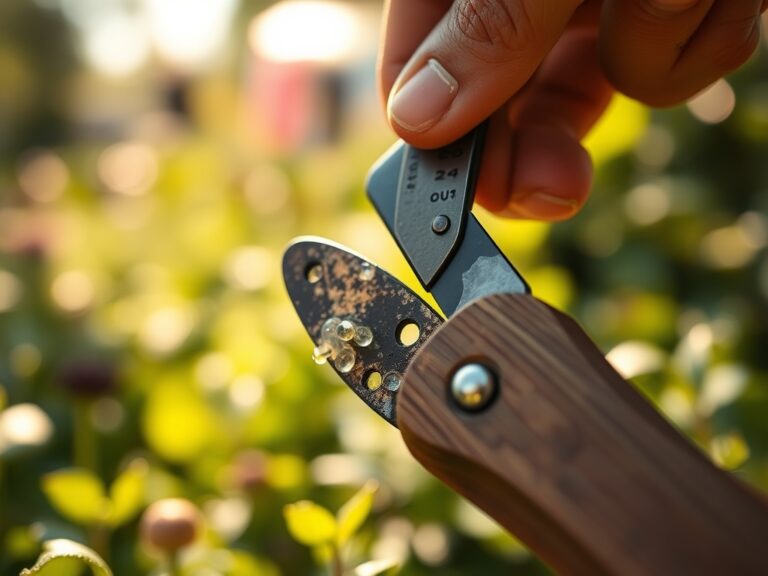
Daily care is required to sustain the mechanical and biological equilibrium of the lawn. Use a soil moisture meter to ensure the turf receives exactly 1.5 inches of water per week, delivered in two deep sessions to encourage deep root penetration into the subsoil. When removing the blade for its monthly sharpening, use a hori-hori knife to weed the immediate perimeter of the mower storage area to prevent weed seeds from hitchhiking on the deck. Use bypass pruners to clear any woody debris from the lawn surface before mowing, as striking a branch with a diameter over 0.5 inches will instantly dull the blade's leading edge.
The Yield:
A properly maintained blade yields a "surgical" cut that preserves the plant's metabolic resources. After mowing with a sharp blade, the grass will exhibit a deep, uniform color within 24 hours. This is due to the lack of necrotic tissue at the tips. For the highest quality aesthetic and health, never remove more than one-third of the leaf blade in a single pass. This preserves enough photosynthetic surface area to maintain the plant's energy reserves.
FAQ:
How often should I sharpen my mower blades?
Sharpen blades every 20 to 25 hours of use. For a standard residential lawn, this typically equates to twice per season. Frequent sharpening prevents the tearing of vascular tissue and reduces the risk of fungal infection in the turf.
Can I use a bench grinder to sharpen blades?
Yes, but use short passes to avoid overheating the steel. If the metal turns blue, the temper is lost and the edge will become brittle. Use a mill bastard file for the final honing to ensure a precise 30 degree angle.
Why is my lawn turning brown after I sharpen the blades?
You may be "scalping" the lawn or mowing too low. Even with sharp blades, removing more than 33 percent of the grass height causes physiological shock and sudden moisture loss. Adjust the deck height to at least 3 inches.
How do I know if my blade is balanced?
Place the blade on a nail or cone balancer. If the blade stays horizontal, it is balanced. If one side tilts down, it is heavy. Remove small amounts of metal from the heavy end until the blade sits perfectly level.