7 Best Sansevieria Moonshine Tips
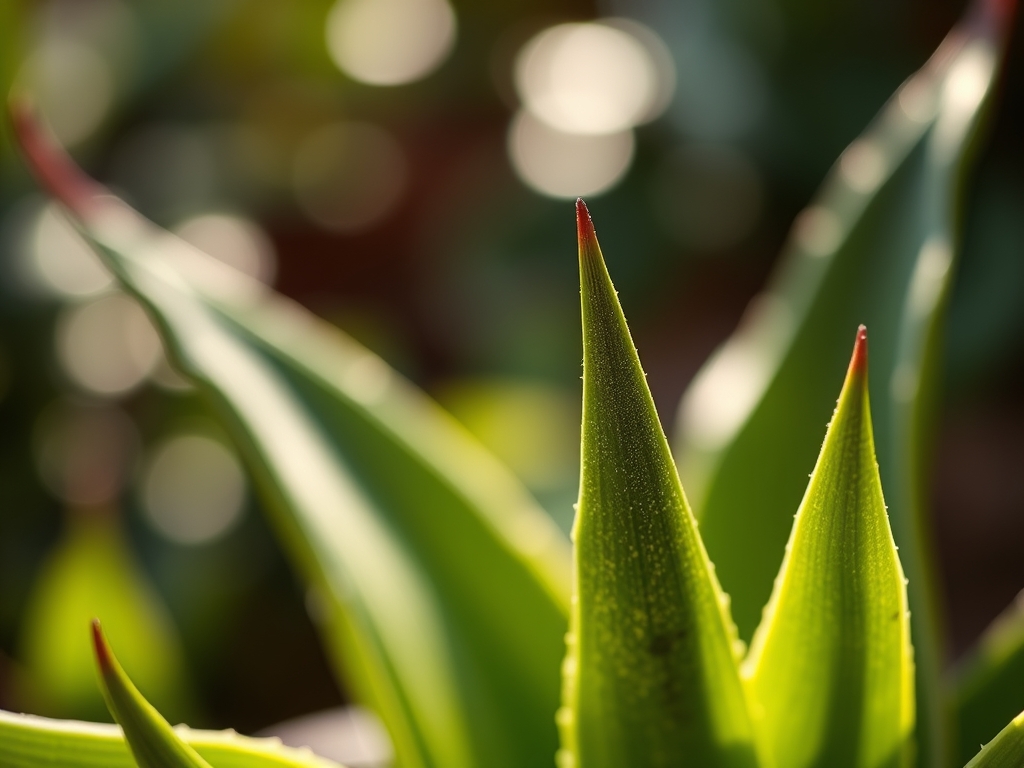
Crushing a handful of dry, gritty substrate reveals the structural requirements of a high-performance succulent. A healthy Sansevieria 'Moonshine' specimen manifests its vigor through high turgor pressure; the silvery-green leaves should feel like rigid plates of cold steel rather than pliable foliage. Achieving this structural integrity requires a mastery of specific environmental variables. These best sansevieria moonshine tips prioritize cellular health over mere aesthetic maintenance. Success in cultivating this cultivar depends on managing the rhizosphere to prevent anaerobic conditions while providing enough light to maintain its unique glaucous sheen. Neglect is often cited as a benefit, but professional horticulture demands precision in moisture levels and nutrient availability to prevent the plant from reverting to darker green tones or suffering from root senescence.
Materials:
The ideal substrate for Sansevieria ‘Moonshine’ is a friable loam with high macroporosity. Aim for a **soil pH between 5.5 and 7.0**. The mix must facilitate rapid drainage to maintain a high Cation Exchange Capacity (CEC) without waterlogging the root zone. Utilize a blend of 40 percent inorganic grit (pumice or calcined clay), 40 percent coconut coir, and 20 percent well-aged compost.
For fertilization, apply a low-nitrogen formula to avoid weak, leggy growth. An NPK ratio of 3-1-2 or 10-10-10 diluted to half-strength is optimal. High nitrogen levels can trigger rapid cell division that outpaces the plant's ability to deposit lignin, resulting in floppy leaves. Supplement with a micronutrient package containing magnesium and iron to support the synthesis of the silvery epicuticular wax that defines the 'Moonshine' cultivar.
Timing:
Sansevieria 'Moonshine' is hardy in USDA Zones 10 through 12. In these regions, it can remain outdoors year-round. For gardeners in Zones 9 and below, the biological clock is dictated by the first frost date; the plant must be moved indoors when ambient temperatures drop below 55 degrees Fahrenheit (12.7 degrees Celsius).
The transition from the vegetative stage to the dormant stage occurs as the photoperiod shortens in autumn. During this time, metabolic activity slows significantly. Do not attempt major propagation or repotting during the winter solstice window. The ideal window for physiological manipulation is late spring, when increasing light intensity triggers the production of auxins, the hormones responsible for new rhizome initiation and leaf elongation.
Phases:

Sowing and Rhizome Division
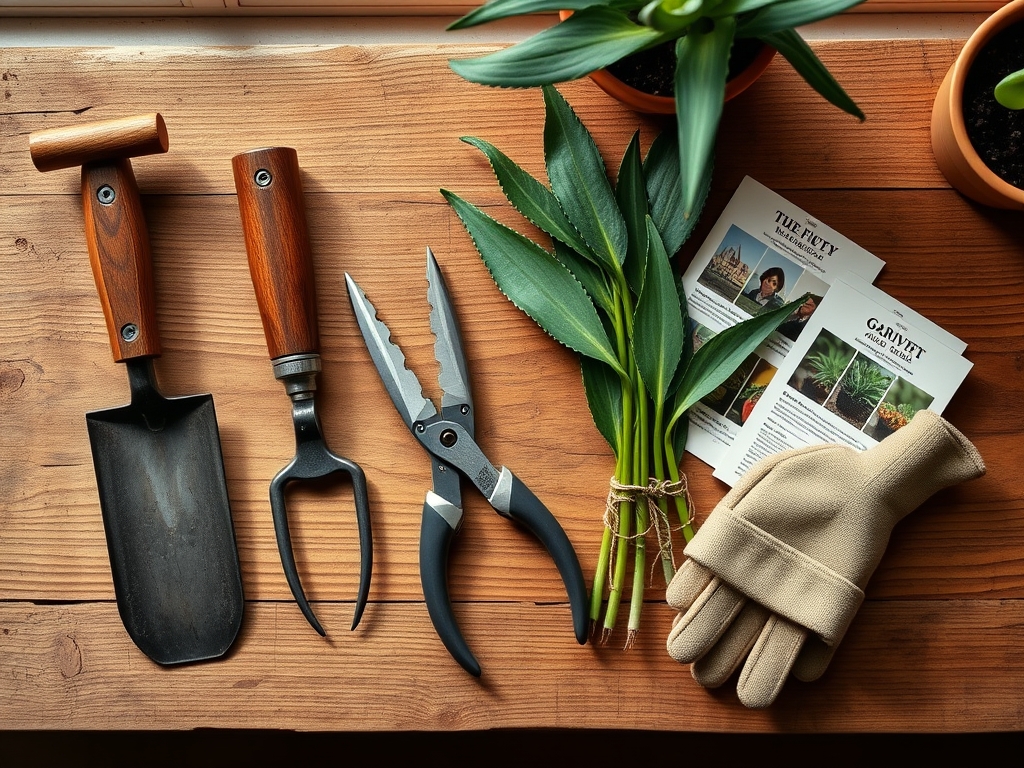
While Sansevieria can be grown from seed, 'Moonshine' is almost exclusively propagated via rhizome division to ensure genetic clones. Use a hori-hori knife to sever the thick, underground stems. Ensure each section has at least one visible node and a developed root system.
Pro-Tip: Allow the severed rhizome to callus for 48 to 72 hours before planting. This prevents opportunistic fungal pathogens from entering the vascular system through the open wound; a process known as suberization.
Transplanting
When moving a specimen to a larger vessel, select a pot only 1 to 2 inches wider than the current root ball. Sansevieria 'Moonshine' thrives when the root mass is slightly constricted, which prevents the soil from staying saturated for too long. Position the plant so the crown sits exactly at the soil line.
Pro-Tip: Incorporate mycorrhizal fungi into the planting hole. This symbiotic relationship increases the surface area of the roots, enhancing the uptake of phosphorus and water through a network of fungal hyphae.
Establishing
The establishment phase lasts approximately 4 to 6 weeks. During this period, keep the plant in bright, indirect light (approximately 2,000 to 3,000 foot-candles). Avoid direct afternoon sun, which can cause photo-oxidation and permanent scarring on the silvery leaf surfaces.
Pro-Tip: Maintain consistent humidity below 50 percent. High humidity coupled with low airflow can lead to guttation, where the plant expels excess water through hydathodes, potentially attracting secondary bacterial infections.
The Clinic:
Physiological disorders in Sansevieria are often misdiagnosed as pests.
Symptom: Soft, mushy leaf bases with a foul odor.
Solution: This indicates Erwinia carotovora (soft rot). Immediately excise infected tissue using sterilized bypass pruners and reduce irrigation frequency. Ensure the substrate dries completely between watering cycles.
Symptom: Leaves losing their silvery sheen and turning dark green.
Solution: This is a response to low light levels. The plant increases chlorophyll density to maximize photosynthesis in sub-optimal conditions. Move the plant to a location with higher light intensity to restore the 'Moonshine' coloration in new growth.
Symptom: Interveinal chlorosis (yellowing between veins).
Solution: This is a classic Magnesium deficiency. Apply a solution of one tablespoon of Epsom salts per gallon of water once during the active growing season to restore cation balance.
Fix-It for Nitrogen Chlorosis: If older leaves turn uniformly pale yellow, the plant is scavenging nitrogen for new growth. Apply a balanced 10-10-10 liquid fertilizer at quarter-strength to stabilize the nitrogen cycle within the rhizosphere.
Maintenance:
Precision maintenance prevents the senescence of the lower leaves. Water the plant by applying 1.5 inches of water directly to the soil surface, avoiding the central rosette to prevent crown rot. Use a soil moisture meter to verify that the bottom third of the pot is dry before re-watering. In most indoor environments, this occurs every 14 to 21 days.
Dust accumulation on the leaves can reduce photosynthetic efficiency by up to 30 percent. Use a damp, lint-free cloth to wipe the blades monthly. If the plant becomes top-heavy, use a hori-hori knife to remove pups from the perimeter, which redirects energy back to the primary mother plant. Prune dead or damaged tips using bypass pruners at a 45-degree angle to mimic the natural leaf shape.
The Yield:
While not an edible crop, the "yield" of a Sansevieria 'Moonshine' is measured in healthy offsets (pups). To harvest these for propagation, wait until the pup is at least one-third the height of the parent plant. This ensures the offset has sufficient carbohydrate reserves to survive the transition. After removal, keep the pup in a shaded, dry area for three days before potting in a gritty succulent mix. This ensures "day-one" freshness and prevents the transplant shock that leads to leaf desiccation.
FAQ:
How much light does Sansevieria Moonshine need?
It thrives in bright, indirect light between 200 and 400 foot-candles. While it tolerates low light, it requires higher intensity to maintain its signature silvery-white color. Avoid direct midday sun to prevent leaf scorch and permanent cellular damage.
Why are the leaves on my Moonshine curling?
Curling is typically a defense mechanism against extreme dehydration. When turgor pressure drops, the cells collapse inward to reduce surface area and transpiration. Check the root zone for desiccation or hydrophobic soil that is repelling water during irrigation cycles.
What is the best fertilizer for Sansevieria?
Use a balanced, water-soluble fertilizer with an NPK ratio like 10-10-10 or 20-20-20. Dilute to half-strength and apply only during the active growing season (spring and summer). Avoid high-nitrogen formulas that cause weak, floppy leaf structures.
How often should I repot my Moonshine?
Repot every 2 to 3 years or when the rhizomes begin to deform the plastic nursery pot. Sansevieria prefers being slightly root-bound. Only increase the pot size by one diameter to prevent excess soil volume from retaining too much moisture.
Can Sansevieria Moonshine grow in water?
Yes, you can propagate cuttings in water, but long-term growth is unsustainable due to nutrient deficiencies and lack of oxygen. For permanent cultivation, transition the plant to a well-draining mineral substrate to support healthy root respiration and rhizome development.