10 Pro Tips How to Grow Philodendron Pink Princess
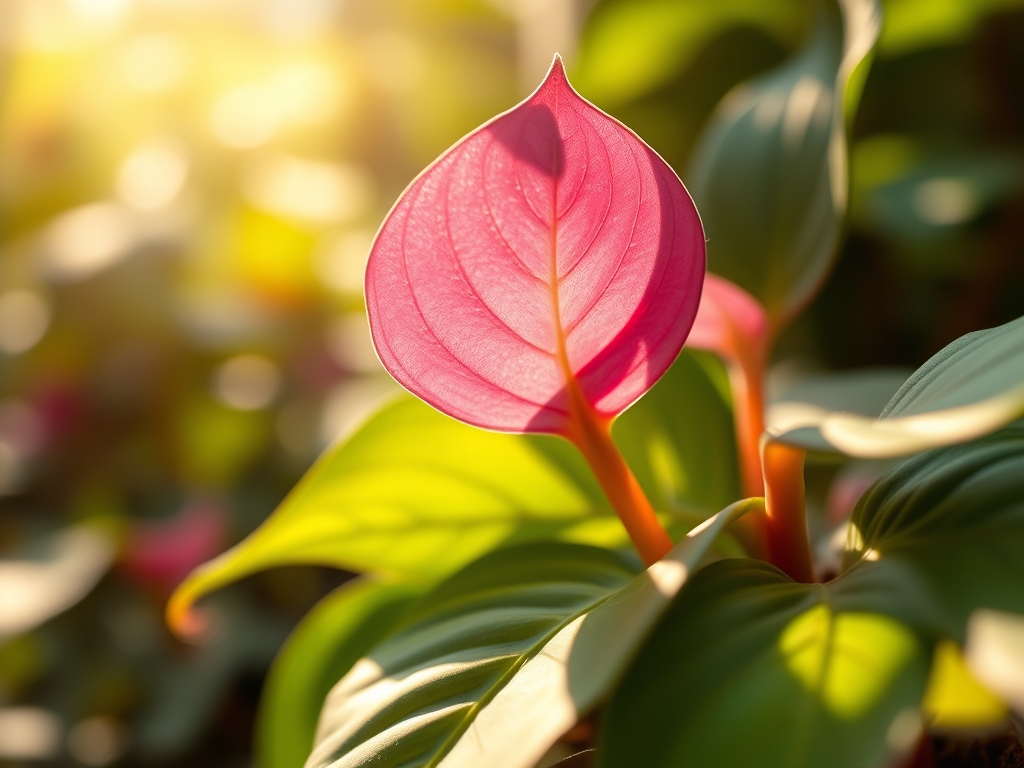
The smell of damp pine bark and the tactile snap of a turgid leaf indicate a plant at peak physiological performance. Success with this cultivar depends on precise light management and substrate chemistry. To master how to grow philodendron pink princess, you must move beyond casual observation and focus on cellular health. This plant is a chimera; its pink variegation lacks chlorophyll, making it a biological parasite on the green portions of the leaf.
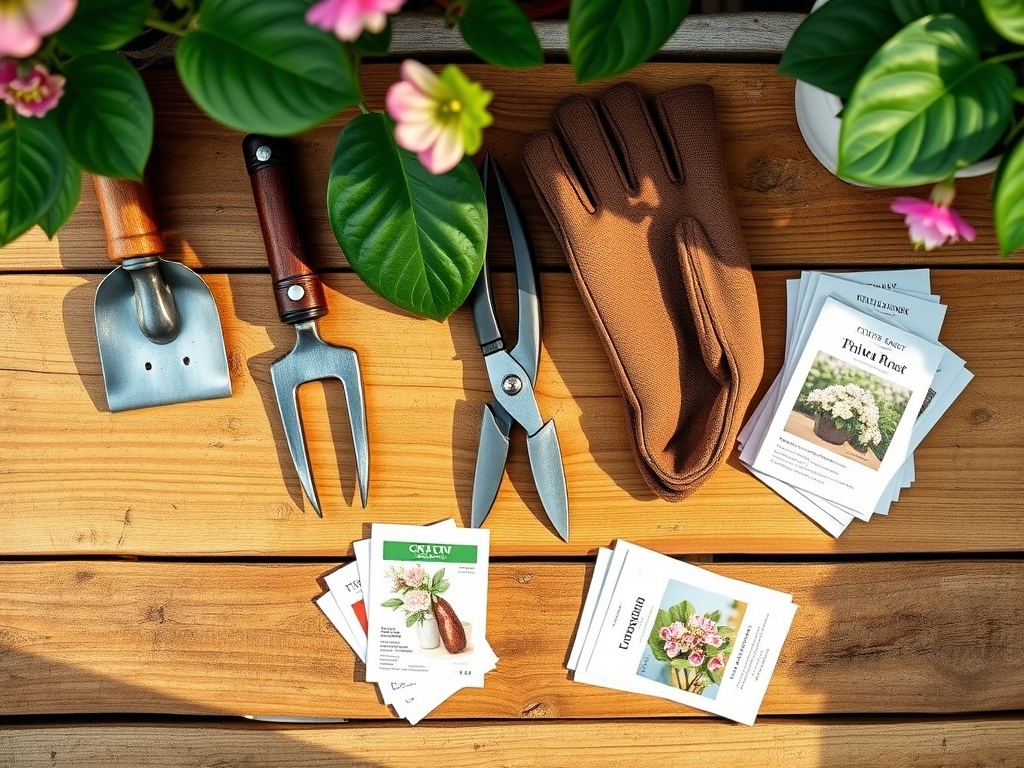
Materials:
The ideal substrate is a friable, coarse mix designed to maximize the Cation Exchange Capacity (CEC) while ensuring rapid drainage. Aim for a **pH range between 5.8 and 6.5**. A neutral or alkaline environment will lock out essential micronutrients like iron and manganese.
The nutrient profile must be balanced. Use a water soluble fertilizer with an NPK ratio of 20-20-20 during active growth, or a slow release 15-9-12 formula. The physical texture should consist of 40 percent orchid bark, 30 percent perlite, and 30 percent coco coir. This ratio prevents anaerobic conditions in the rhizosphere, which is the primary cause of root senescence in aroid species.
Timing:
Philodendron erubescens is technically hardy in USDA Zones 9b through 11. In temperate climates, this plant must remain indoors once ambient temperatures drop below 55 degrees Fahrenheit. The biological clock of the Pink Princess is dictated by the photoperiod. It enters a vegetative surge when daylight exceeds 12 hours.
Growth slows significantly during the winter solstice. Do not attempt major propagation or heavy fertilization when the plant is in this semi-dormant state. The transition from vegetative growth to active climbing occurs once the plant reaches a height of approximately 12 inches, at which point it requires vertical support to trigger larger leaf morphogenesis.
Phases:

Propagation and Sowing
While rarely grown from seed in a domestic setting, propagation via stem cuttings is the standard. Ensure each cutting has at least one node and one axillary bud. Submerge the node in a sterile medium or water maintained at 72 degrees Fahrenheit.
Pro-Tip: Apply a rooting hormone containing Indole-3-butyric acid (IBA). This synthetic auxin mimics the plant's natural signals to initiate adventitious root growth rather than continuing leaf production.
Transplanting
Move the specimen when roots begin to circle the interior of the pot. Select a container only 2 inches wider than the current root ball. Excessive soil volume leads to "perched water tables," where the bottom of the pot remains saturated, suffocating the root hairs.
Pro-Tip: Dust the root ball with mycorrhizal fungi during the move. This symbiotic relationship increases the surface area of the roots, allowing for enhanced phosphorus uptake and improved drought resistance.
Establishing and Support
As a hemiepiphyte, this plant requires a totem. Use a cedar pole or a moss pole kept consistently moist. This encourages the aerial roots to anchor, which signals the plant to increase leaf size through a process called thigmotropism.
Pro-Tip: Secure the main stem with soft horticultural tape, ensuring the nodes are in direct contact with the moist support. This contact triggers the release of ethylene, which encourages the aerial roots to penetrate the substrate.
The Clinic:
Physiological disorders in the Pink Princess often stem from light or moisture imbalances.
Symptom: Small, all-green leaves or "reversion."
Solution: Increase light intensity to 200 to 400 foot-candles. Without sufficient light, the plant suppresses the energy-expensive pink mutations in favor of chlorophyll-dense green tissue.
Symptom: Brown, crispy edges on pink sections.
Solution: Increase ambient humidity to a minimum of 60 percent. Pink tissue lacks the protective structural integrity of green tissue and transpires water at a faster rate, leading to localized desiccation.
Symptom: Interveinal chlorosis (yellowing between green veins).
Solution: This indicates a Magnesium deficiency. Apply a solution of one tablespoon of Epsom salts per gallon of water to restore the chlorophyll molecule's central atom.
Fix-It: Nitrogen Chlorosis
If the oldest leaves turn uniformly pale yellow, the plant is scavenging nitrogen for new growth. Apply a high-nitrogen foliar spray immediately to stabilize the turgor pressure and stop the senescence of lower foliage.
Maintenance:
Precision is the difference between survival and thriving. Use a soil moisture meter to ensure the substrate is dry to a depth of 2 inches before adding water. On average, this requires 1.5 inches of water per week applied directly at the base of the plant.
Pruning is essential for maintaining variegation. Use bypass pruners sterilized with 70 percent isopropyl alcohol to prevent the spread of pathogens. If the plant produces a "ghost leaf" (entirely pink), prune back to the last node with balanced variegation. Entirely pink leaves cannot photosynthesize and will eventually die, draining the plant's carbohydrate reserves. Use a hori-hori knife to occasionally aerate the top inch of soil, preventing surface compaction and ensuring oxygen reaches the rhizosphere.
The Yield:
While not a food crop, the "yield" of a Pink Princess is measured in its aesthetic stability and stem diameter. To harvest a cutting for propagation, wait until the mother plant has at least five mature leaves. Cut at a 45-degree angle to maximize the surface area for water uptake. Allow the wound to callous for 24 hours before placing it in a medium. This prevents opportunistic fungi from entering the vascular system.
FAQ:
How much light does a Pink Princess need?
Provide 200 to 400 foot-candles of bright, filtered light. Avoid direct afternoon sun, which exceeds 1,000 foot-candles and will scorch the delicate, non-photosynthetic pink tissue. High-quality LED grow lights should run for 12 to 14 hours daily.
Why is my Philodendron Pink Princess turning green?
This is known as reversion. It occurs when light levels are too low to support the variegated mutation. The plant produces more chlorophyll to survive. Prune the stem back to the last variegated node to encourage new growth from dormant buds.
How often should I water my Pink Princess?
Water when the top 50 percent of the substrate is dry. Use a moisture meter to confirm. Typically, this occurs every 7 to 10 days depending on humidity and airflow. Never allow the plant to sit in standing water.
What is the best fertilizer for Pink Princess?
Use a balanced, liquid 20-20-20 NPK fertilizer diluted to half strength every two weeks during the growing season. This provides the nitrogen for leaf size, phosphorus for root health, and potassium for overall cellular turgor and disease resistance.
Does Pink Princess need high humidity?
Yes, maintain levels between 60 and 80 percent. Low humidity causes the pink sections of the leaves to brown and die. Use a dedicated humidifier rather than misting, as standing water on leaves can invite bacterial leaf spot.