7 Best Ways How to Build Raised Beds
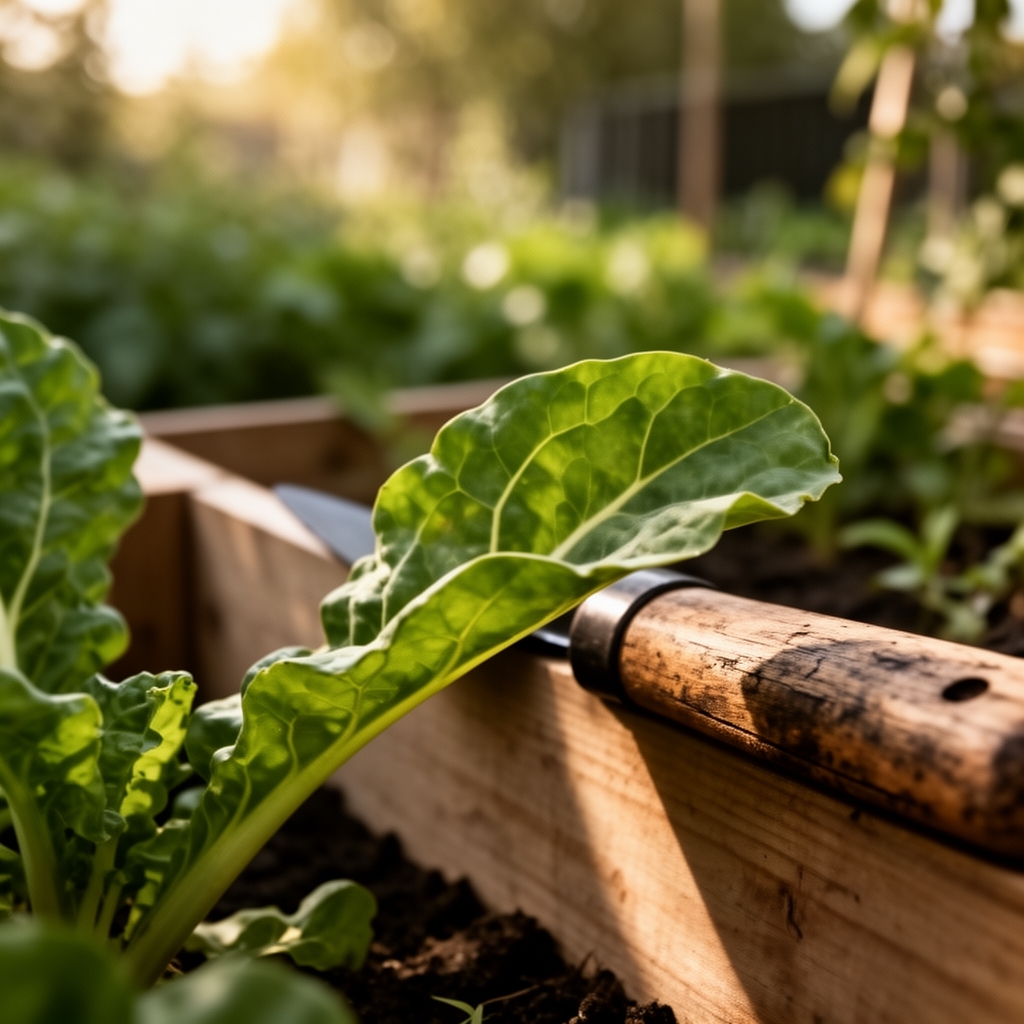
The first spade of soil turned in spring carries a promise. Rich, dark earth crumbles between gloved fingers, releasing that mineral scent of possibility. Learning how to build raised beds transforms garden spaces into productive zones that warm faster, drain better, and yield more than traditional plots. These elevated structures give gardeners control over soil composition, root depth, and growing conditions from the ground up.
Materials
Selecting materials for raised beds requires attention to both structural integrity and soil chemistry. Cedar and redwood resist decay naturally, lasting 10-15 years without chemical treatments. Douglas fir offers a budget alternative with 7-10 year longevity. Avoid pressure-treated lumber containing copper-based preservatives near edible crops, as copper leaches into soil and disrupts mycorrhizal fungi networks.
Galvanized steel panels provide 20-year durability but increase soil temperature by 3-5 degrees Fahrenheit on sunny exposures. Composite boards made from recycled plastics eliminate rot concerns entirely yet cost 40% more than cedar.
For soil composition, target a cation exchange capacity above 10 meq/100g by blending three parts high-quality topsoil, three parts compost, and two parts coconut coir or peat moss. Incorporate a 4-4-4 organic meal at 2 pounds per 4×8 bed to establish baseline fertility. This balanced NPK ratio supports both vegetative growth and flowering without excess nitrogen that delays fruiting.
Add rock phosphate at 1 cup per bed to boost available phosphorus for root development. Kelp meal supplies micronutrients and growth hormones including natural auxins that regulate cell elongation. Blend azomite or glacial rock dust at 2 cups per bed to mineralize the mix over time.
Test initial pH before planting. Most vegetables thrive between 6.0-7.0. Amend acidic soils with dolomitic lime at rates determined by soil test results, typically 5-10 pounds per 100 square feet to raise pH one full point.
Timing
Build raised beds 4-6 weeks before last expected frost to allow soil to settle. In USDA Hardiness Zones 3-5, this means late March through April. Zones 6-7 can construct beds in February through early March. Zones 8-10 benefit from fall construction in October or November, allowing winter rains to integrate amendments.
Soil temperature matters more than air temperature. Wait until soil reaches 50°F at 4-inch depth before planting cool-season crops like lettuce and peas. Warm-season vegetables including tomatoes and peppers require 60°F soil temperatures for proper root establishment.
Spring construction in northern climates allows beds to undergo freeze-thaw cycles that improve soil aggregation. Fall assembly in southern regions prevents summer heat stress during the labor-intensive building process.
Phases
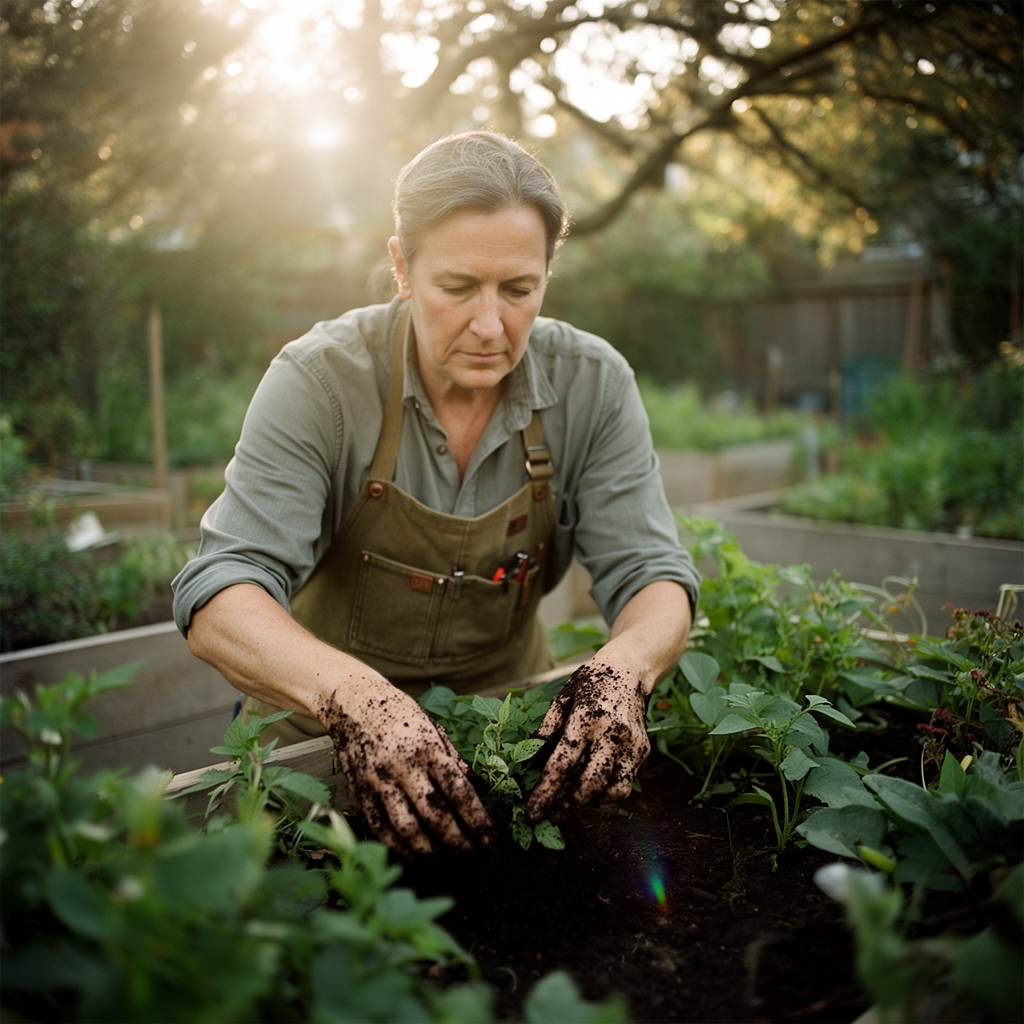
Foundation Phase: Level the site using a 4-foot carpenter's level. Remove existing turf and create a 2-inch base layer of crushed gravel for drainage. Lay cardboard or hardware cloth at ground level to deter burrowing rodents.
Assemble frame corners using 3-inch galvanized deck screws. Pre-drill holes to prevent splitting. For beds longer than 8 feet, install internal supports every 4 feet to prevent bowing. Standard dimensions of 4 feet wide by 8 feet long allow reach from either side without soil compaction.
Pro-Tip: Bury 6 inches of frame depth below grade in cold climates. This anchors the structure and reduces frost heaving.
Filling Phase: Fill in 6-inch lifts, watering each layer lightly to eliminate air pockets. Avoid compaction by distributing weight evenly and never walking on prepared soil. Stop filling 2 inches below frame tops to prevent runoff erosion.
Mix amendments thoroughly in each layer rather than top-dressing. This distributes nutrients throughout the root zone and prevents stratification that limits root penetration.
Pro-Tip: Inoculate soil with mycorrhizal fungi at planting time. Apply directly to root balls or seed furrows at 1 tablespoon per plant. These fungal networks extend effective root surface area by 100-1000x, improving water and phosphorus uptake.
Establishment Phase: Plant in blocks rather than rows to maximize space and create beneficial microclimates. Space plants according to mature width, not seedling size. Dense planting shades soil, reducing moisture loss and suppressing weeds.
Mulch immediately after transplanting with 2-3 inches of straw or shredded leaves. Keep mulch 1 inch away from plant stems to prevent fungal collar rots.
Pro-Tip: Prune tomato suckers at 45-degree angles to minimize wound surface area and speed healing. Remove suckers below the first flower cluster entirely to direct auxin distribution toward fruit development.
Troubleshooting
Symptom: Yellowing lower leaves with green veins indicate iron chlorosis.
Solution: Lower pH by incorporating sulfur at 1 pound per 100 square feet or apply chelated iron foliar spray at 1 tablespoon per gallon weekly until symptoms resolve.
Symptom: Blossom end rot appears as dark, sunken spots on tomato or pepper fruits.
Solution: Maintain consistent soil moisture at 1-1.5 inches per week. Apply calcium chloride foliar spray at 2 tablespoons per gallon every 7-10 days during fruit set. Mulch to regulate moisture fluctuations.
Symptom: Wilting despite adequate moisture signals root knot nematodes.
Solution: Solarize soil by covering beds with clear plastic for 6 weeks during peak summer heat. Rotate to nematode-resistant varieties or incorporate chitin-rich crab meal at 5 pounds per 100 square feet to stimulate beneficial fungi that parasitize nematode eggs.
Symptom: Stunted growth with purple-tinged leaves indicates phosphorus deficiency.
Solution: Side-dress with bone meal at 2 pounds per 100 square feet or apply liquid fish fertilizer (0-10-10) at label rates every 2 weeks until vegetative growth normalizes.
Maintenance
Water deeply but infrequently. Provide 1 inch of water per week measured with rain gauge, increasing to 1.5 inches during fruit development. Water early morning to reduce foliar disease pressure.
Side-dress heavy feeders like tomatoes and squash with compost or 5-10-10 organic fertilizer at 1/2 cup per plant every 3-4 weeks. Apply in a 6-inch band around plant base, scratching lightly into soil surface.
Monitor soil pH annually each spring. Retest if growth slows or nutrient deficiency symptoms appear mid-season. Add sulfur to lower pH or lime to raise it based on test recommendations.
Replenish mulch to maintain 2-3 inch depth throughout the season. Organic mulches decompose, adding carbon to soil while feeding beneficial microbes.
Rotate crop families annually. Follow heavy feeders like tomatoes with nitrogen-fixing legumes. This breaks pest cycles and prevents nutrient depletion in specific soil zones.
FAQ
How deep should raised beds be?
Twelve inches accommodates most vegetable root systems. Increase to 18 inches for carrots, parsnips, and potatoes.
Can I build raised beds on concrete?
Yes. Line the base with landscape fabric and increase depth to 18 inches minimum. Drill drainage holes if water pools.
What spacing prevents overcrowding?
Leave 24-36 inches between beds for wheelbarrow access and comfortable harvesting posture.
When should I replace raised bed soil?
Never completely. Add 1-2 inches of compost annually and replenish as soil level drops. Soil ecosystems improve with age.
Do raised beds need liners?
Optional for weed suppression. Use landscape fabric, not plastic. Plastic prevents gas exchange and drowns roots during heavy rain.