6 Easy Steps to ZZ Plant Care
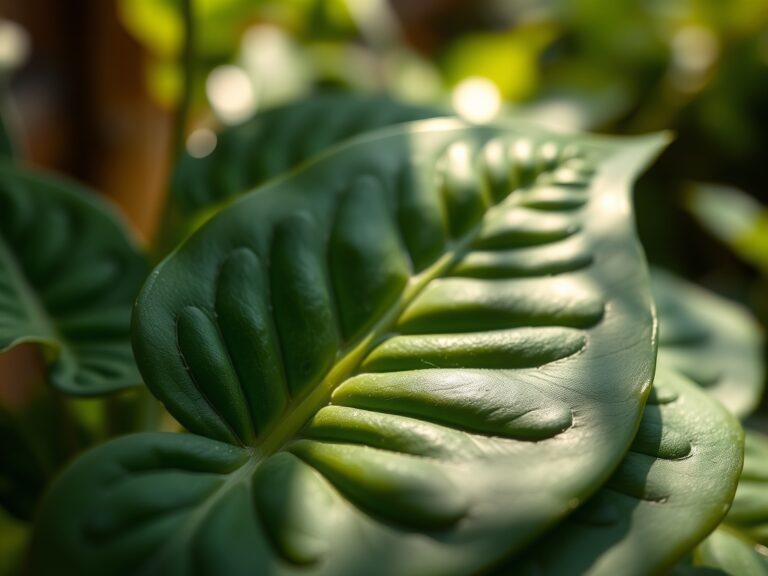
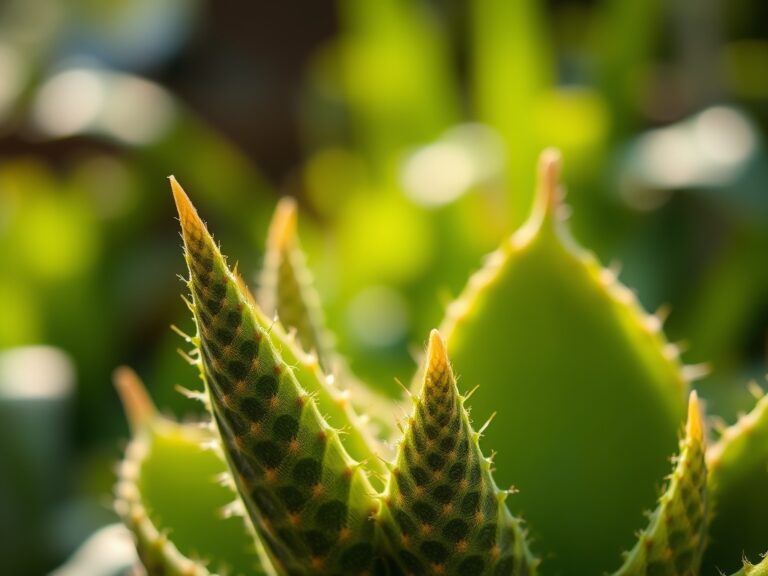
Turgor pressure within the succulent petioles of Zamioculcas zamiifolia provides a structural rigidity that defies the typical wilt seen in tropical understory species. When you compress a healthy leaf between your thumb and forefinger, it should feel like dense, cool wax; a tactile confirmation of the plant's efficient water storage. Success in following these steps to zz plant care requires understanding that this species is a specialist in survival, evolved to thrive in the rocky, well-draining soils of Eastern Africa. The rhizosphere of the ZZ plant is dominated by large, potato-like rhizomes that store moisture for months of drought. To grow a specimen that reaches its full three-foot vertical potential, you must move beyond passive maintenance. You must master the balance of soil porosity, cation exchange capacity, and light intensity. This guide provides the technical framework to ensure your specimen maintains its deep green luster and structural integrity through every season.
Materials:

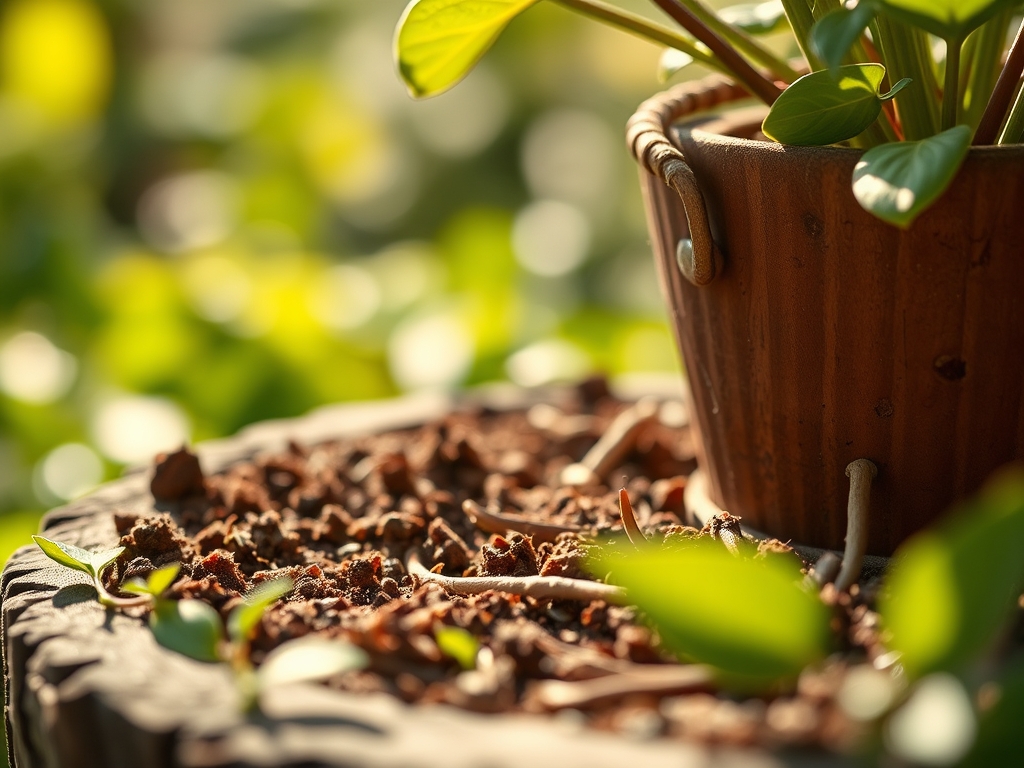
The substrate is the most critical variable for Zamioculcas zamiifolia. A friable loam with high macroporosity prevents the anaerobic conditions that lead to rhizome rot. Your potting mix should maintain a pH between 6.0 and 7.0.
- Substrate Composition: 50% professional-grade potting soil, 25% perlite, and 25% horticultural sand or orchid bark.
- Fertilizer NPK Ratio: Use a balanced 20-20-20 water-soluble fertilizer diluted to half-strength. During peak growth, a formula with a slightly higher Nitrogen content (such as 10-5-5) can support foliar expansion.
- Containers: Use unglazed terracotta or high-density plastic with at least three drainage holes.
- Soil Cation Exchange Capacity (CEC): Incorporate a small amount of worm castings to increase the CEC, which improves the soil's ability to hold and release essential cations like Calcium (Ca2+) and Magnesium (Mg2+).
Timing:
Zamioculcas zamiifolia is hardy in USDA Zones 9b through 12. In these regions, it can survive outdoors year-round if temperatures remain above 50 degrees Fahrenheit. For the rest of the world, it is an indoor specimen. The biological clock of the ZZ plant is dictated by light cycles and temperature.
The vegetative growth stage typically occurs from late March through September. During this window, the plant requires consistent warmth between 65 and 85 degrees Fahrenheit. As the photoperiod shortens in autumn, the plant enters a semi-dormant state. Avoid repotting or aggressive fertilization between October and February, as the metabolic rate of the plant drops significantly, and nutrient uptake is minimal.
Phases:

Sowing and Propagation
While seeds are rare in cultivation, propagation via leaf cuttings or rhizome division is standard. To propagate from a leaf, insert the petiole end into a moist mix of peat and perlite. Maintain a temperature of 75 degrees Fahrenheit to stimulate callus formation.
Pro-Tip: Callus formation is a result of parenchyma cell differentiation. By allowing the cut end of a leaf or rhizome to dry for 24 hours before planting, you prevent opportunistic pathogens from entering the vascular system before the plant can seal the wound with suberin.
Transplanting
Repot your ZZ plant every 24 to 36 months. If the plastic nursery pot begins to bulge or deform, the rhizomes have occupied the available volume. Carefully remove the plant and shake off the old substrate to expose the root architecture. Use a hori-hori knife to separate entangled roots if necessary.
Pro-Tip: When moving to a larger vessel, ensure the new pot is only 2 inches wider than the previous one. A massive increase in soil volume leads to "perched water tables," where the excess soil holds moisture that the roots cannot reach, eventually causing rot due to lack of oxygen.
Establishing
Once transplanted, place the ZZ plant in a location with indirect light measuring between 100 and 250 foot-candles. While the plant can survive in lower light, its growth rate will stagnate. Monitor the turgor of the lowest leaves to ensure the root system is successfully drawing moisture from the new substrate.
Pro-Tip: ZZ plants exhibit negative geotropism in their stems, but they are also subject to phototropism. Rotate the pot 90 degrees every two weeks to ensure an even distribution of auxins, which prevents the plant from leaning toward the light source and maintains a symmetrical silhouette.
The Clinic:
Symptom: Yellowing Lower Leaves (Chlorosis)
Solution: This is often a sign of Nitrogen deficiency or overwatering. If the soil is wet, check for root rot. If the soil is dry, apply a balanced liquid fertilizer.
Fix-It: For Nitrogen chlorosis, apply a 5-1-1 fish emulsion to provide an immediate boost of bioavailable Nitrogen.
Symptom: Leaf Drop and Mushy Petioles
Solution: This indicates advanced rhizome rot caused by anaerobic soil conditions.
Fix-It: Remove the plant from the pot immediately. Use bypass pruners sterilized with 70% isopropyl alcohol to cut away black, mushy sections of the rhizome. Replant in fresh, dry substrate and withhold water for 14 days.
Symptom: Brown, Crispy Leaf Tips
Solution: Low humidity (below 30%) or excessive salt buildup from tap water.
Fix-It: Flush the soil with distilled water until it runs freely from the drainage holes to leach out accumulated salts. Increase ambient humidity to 40% using a pebble tray.
Maintenance:
Precision is required for long-term health. Use a soil moisture meter to ensure the substrate is completely dry (a reading of 1 or 2) before adding water. Typically, this translates to watering once every 21 to 30 days in an indoor environment. When you water, saturate the soil until it drains from the bottom, then discard any water in the saucer.
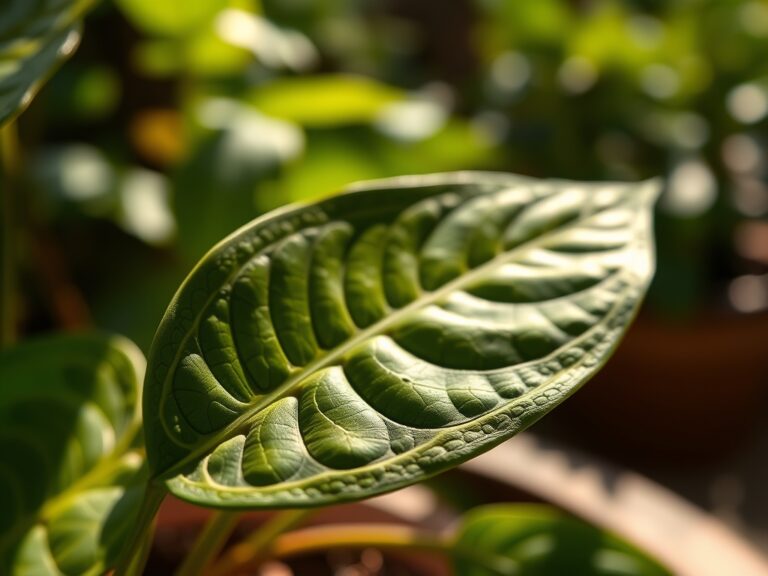
Use a damp microfiber cloth to wipe the pinnate leaves every month. Dust accumulation blocks the stomata, reducing the rate of gas exchange and photosynthesis. If pruning is required to manage size, use bypass pruners to cut the entire stalk off at the soil line; do not leave "stubs" as these can become entry points for fungal infections.
The Yield:
While not a food crop, the "yield" of a ZZ plant is its aesthetic mass and air-purifying capabilities. A mature specimen can produce spathe-like flowers near the base of the stalks, though this is rare. To maintain "day-one" freshness of the foliage, avoid the use of commercial leaf shine products. These oil-based chemicals can clog the plant's respiratory pores and attract dust. Instead, a mixture of 90% water and 10% lemon juice can be used to remove hard water spots and restore the natural sheen of the cuticle.
FAQ:
How much light does a ZZ plant actually need?
ZZ plants thrive in 100 to 250 foot-candles of indirect light. While they tolerate low light levels as low as 50 foot-candles, growth will be extremely slow and the stems may become leggy and weak over time.
Why are the stems on my ZZ plant falling over?
This usually results from overwatering or insufficient light. Excess water causes the rhizomes to soften, losing their ability to anchor the heavy, water-filled stalks. Low light leads to "stretching," where the plant becomes top-heavy and collapses.
How often should I fertilize my ZZ plant?
Apply a balanced 20-20-20 fertilizer diluted to half-strength once every three months during the active growing season (spring and summer). Do not fertilize during the winter months when the plant's metabolic activity and nutrient requirements are at their lowest.
Is the ZZ plant toxic to household pets?
Yes, the plant contains calcium oxalate crystals. If ingested, these can cause immediate irritation of the mouth, swelling of the throat, and gastrointestinal distress. Always wear gloves when pruning to avoid skin irritation from the sap.