7 Best Philodendron Brasil Tips for Color
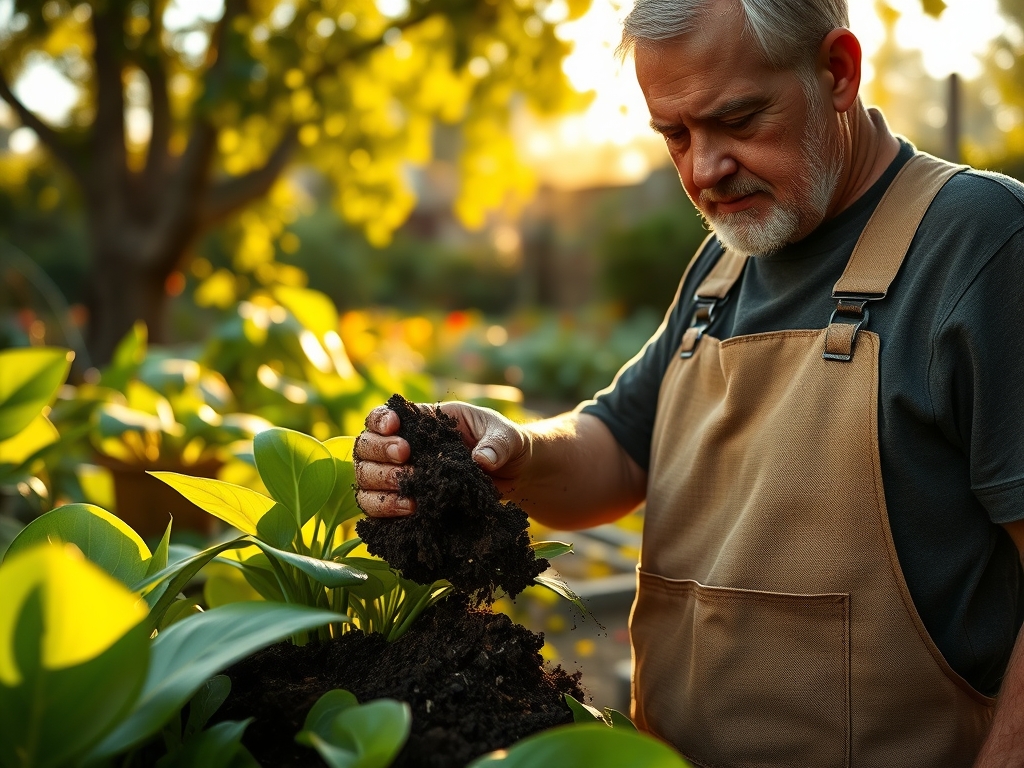
Crush a handful of potting medium and you should smell the sharp, metallic tang of active microbes and damp humus. A healthy Philodendron Brasil leaf feels cool to the touch with high turgor pressure; it resists bending and snaps if folded too far. To maintain the neon yellow variegation that defines this cultivar, you must master the intersection of light intensity and nutrient availability. Achieving the best philodendron brasil tips requires moving beyond casual care into the realm of precise horticultural science. This plant is a mutation of the standard heartleaf philodendron; its gold stripes are a result of chimeral variegation. Without specific environmental triggers, the plant will revert to a solid forest green to maximize its photosynthetic surface area. You must balance the Cation Exchange Capacity of your soil with a rigorous photoperiod to ensure these color patterns remain stable and distinct across every new node.
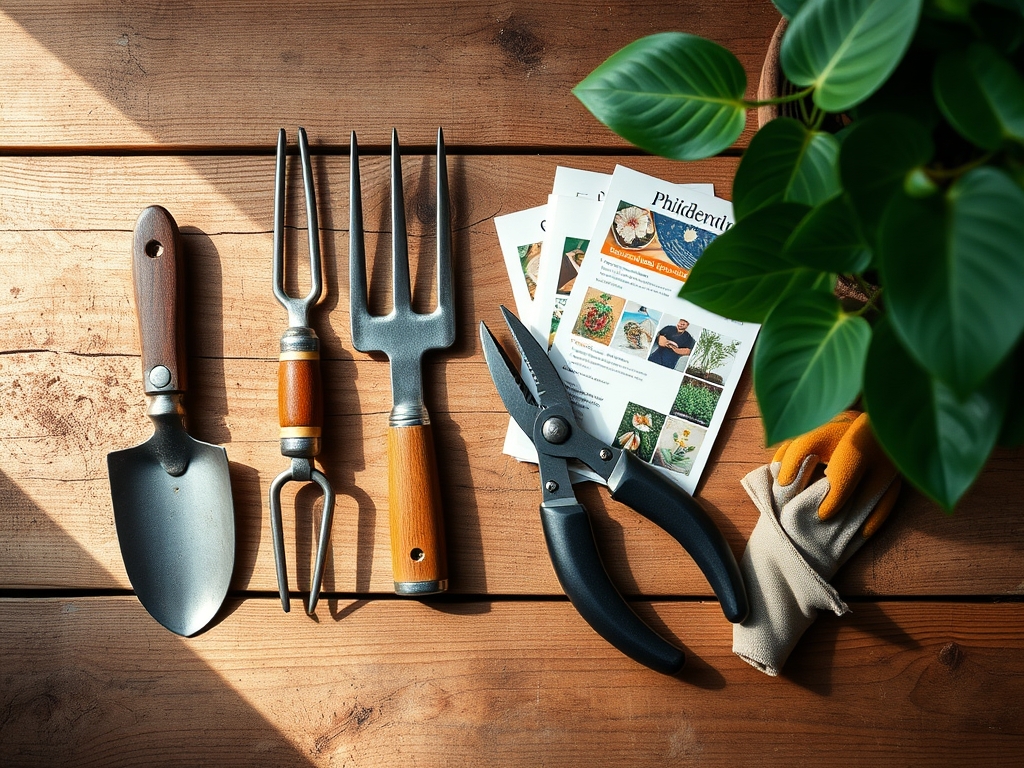
Materials:
The foundation of leaf color begins in the rhizosphere. You require a substrate with a **pH between 5.8 and 6.5**. This slightly acidic range ensures that micronutrients like iron and magnesium remain bioavailable. The ideal medium is a friable loam consisting of **40 percent orchid bark, 30 percent coco coir, 20 percent perlite, and 10 percent worm castings**. This mixture provides the high porosity needed to prevent root hypoxia while maintaining enough surface area for nutrient ion exchange.
For fertilization, utilize a water-soluble macro-nutrient blend with an NPK ratio of 3-1-2. The higher nitrogen content supports vegetative expansion, while the potassium regulates the opening and closing of stomata, maintaining the cellular pressure necessary for large leaves. Avoid heavy phosphorus (the middle number) as this plant is grown for foliage, not reproductive flowering. Supplement with a chelated micronutrient solution once every quarter to prevent interveinal chlorosis.
Timing:
Philodendron Brasil is a tropical epiphyte suited for USDA Hardiness Zones 10 through 12. In these regions, it can remain outdoors year-round. In all other zones, the plant must be moved indoors when ambient temperatures drop below 55 degrees Fahrenheit. Its biological clock is governed by the photoperiod. During the spring and summer months, the plant enters its primary vegetative stage. This is the window for aggressive pruning and propagation.
The transition to a semi-dormant state occurs when daylight drops below 11 hours. During this phase, metabolic processes slow. You must reduce irrigation frequency by approximately 40 percent and cease all fertilization. Forcing growth during low-light winter months often results in "leggy" internodes and a loss of variegation, as the plant cannot produce enough energy to sustain the non-photosynthetic yellow tissues.
Phases:
Sowing and Propagation
Propagation is achieved through stem cuttings rather than seeds. Select a healthy vine and use a bypass pruner to cut a section containing at least two nodes. Submerge the lower node in water or moist sphagnum moss. Ensure the temperature remains between 70 and 75 degrees Fahrenheit to stimulate the formation of adventitious roots.
Pro-Tip: This process relies on auxin suppression. By cutting the terminal bud (the tip of the vine), you remove the source of apical dominance. This forces the plant to redirect growth hormones to lateral buds, resulting in a bushier specimen with more variegated surface area.
Transplanting
Move the cutting into the friable loam substrate once the secondary roots reach 2 inches in length. Use a pot that is only 1 to 2 inches wider than the root ball. Excessive soil volume leads to "perched water tables," where the bottom of the pot remains saturated, leading to Pythium root rot.
Pro-Tip: Establish mycorrhizal symbiosis during transplanting by dusting the root zone with a fungal inoculant. These beneficial fungi extend the reach of the root system, increasing the plant's ability to uptake phosphorus and water, which directly improves leaf size and color saturation.
Establishing and Training
Once the root system is established, provide a vertical support such as a moss pole. As an epiphyte, the Philodendron Brasil utilizes aerial roots to climb. When the plant climbs vertically, the leaves typically increase in size due to negative geotropism, where the plant perceives its upward orientation and shifts its morphology to capture more light.
Pro-Tip: Utilize phototropism to your advantage. Rotate the pot 90 degrees every week. This ensures even light distribution across all leaves, preventing the side facing away from the window from reverting to solid green to compensate for lower light levels.
The Clinic:
Physiological disorders in Philodendron Brasil are usually visible indicators of chemical or environmental imbalances.
Symptom: Small, entirely green leaves with long gaps between nodes.
Solution: This is etiolation caused by insufficient light. Increase the light intensity to 250 to 400 foot-candles. If natural light is unavailable, use a full-spectrum LED grow light for 12 hours daily.
Symptom: Brown, crispy leaf margins.
Solution: This indicates low humidity or salt buildup from tap water. Maintain humidity above 50 percent. Flush the substrate with distilled water until it runs clear to leach out excess sodium and calcium carbonates.
Symptom: Yellowing of older, lower leaves while new growth remains healthy.
Solution: This is Nitrogen chlorosis. The plant is mobile-nutrient deficient and is scavenging nitrogen from old tissue to support new growth. Apply a 20-20-20 balanced fertilizer at half strength immediately.
Maintenance:
Precision maintenance is required to sustain the high-contrast variegation. Use a soil moisture meter to monitor the substrate; do not water until the meter reads "3" or the top 2 inches of soil feel dry. Typically, this equates to 1.5 cups of water per week for a 6-inch pot.
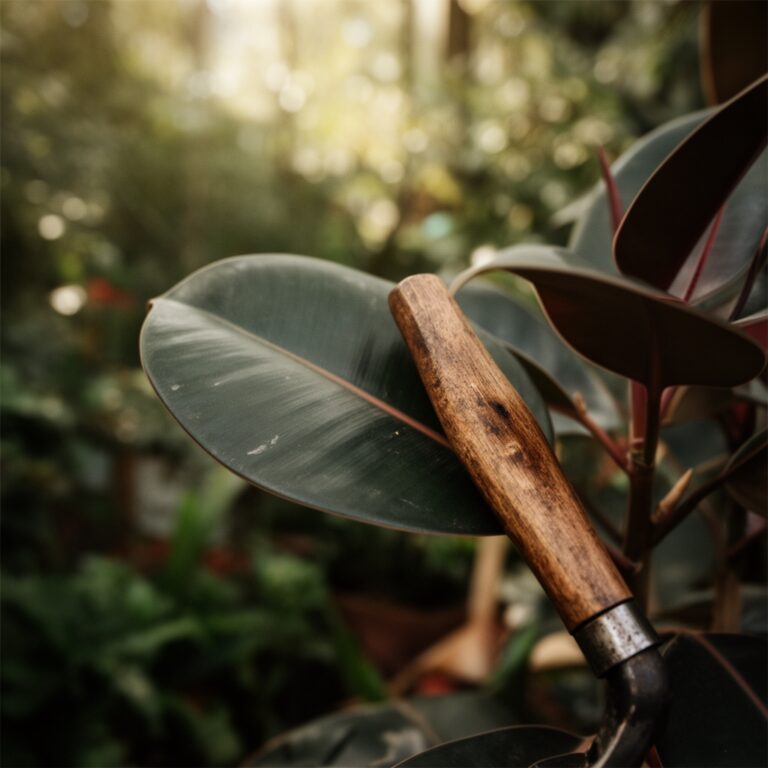
Use a hori-hori knife to occasionally loosen the top inch of soil, preventing surface compaction which can inhibit gas exchange at the root zone. Every month, wipe the leaves with a damp microfiber cloth. Dust accumulation blocks the stomata and reduces the efficiency of photosynthesis by up to 30 percent, forcing the plant to produce more chlorophyll and dulling the yellow stripes. When pruning to control size, always use sterilized bypass pruners to make clean cuts at a 45-degree angle just above a node.
The Yield:
While not an edible crop, the "yield" of a Philodendron Brasil is its biomass and aesthetic intensity. For maximum visual impact, harvest cuttings for new plants during the peak of the summer solstice. To ensure "day-one" freshness for cuttings, place them in a solution of water and 1 percent sugar for the first 24 hours. This provides a temporary carbohydrate boost while the cutting transitions from the parent plant's vascular system to its own independent metabolic state.
FAQ:
How do I get more yellow in my Philodendron Brasil?
Increase light exposure to bright, indirect levels. High light intensity triggers the plant to produce less chlorophyll, allowing the yellow and lime-green pigments to dominate the leaf surface. Avoid direct afternoon sun, which can cause cellular necrosis.
Why are the new leaves on my Brasil so small?
Small leaves indicate a lack of support or nutrient deficiency. Provide a moss pole for climbing to trigger larger leaf morphology. Ensure you are using a 3-1-2 NPK fertilizer to provide the nitrogen necessary for expansive leaf tissue.
Can Philodendron Brasil live in low light?
It will survive but lose its variegation. In low light, the plant increases chlorophyll production to capture limited photons, turning the leaves solid green. For the best color, maintain at least 200 foot-candles of light.
How often should I repot my Philodendron?
Repot every 18 to 24 months or when roots emerge from the drainage holes. Select a container only one size larger. Using a pot that is too large increases the risk of overwatering and root rot.