5 Expert Ways How to Maintain Monstera Esqueleto
The smell of damp pine bark and the tactile resistance of a leaf with high turgor pressure define the workspace of a serious aroid cultivator. Maintaining the Monstera esqueleto requires more than casual observation; it demands a rigorous understanding of tropical epiphytic physiology. To master how to maintain monstera esqueleto, one must replicate the high-humidity, nutrient-cycling environment of the Monteverde cloud forests. This plant thrives when the rhizosphere is oxygenated and the leaf lamina remains free of mineral deposits. Success is measured by the increasing diameter of the fenestrations and the rigidity of the petioles.
Materials:
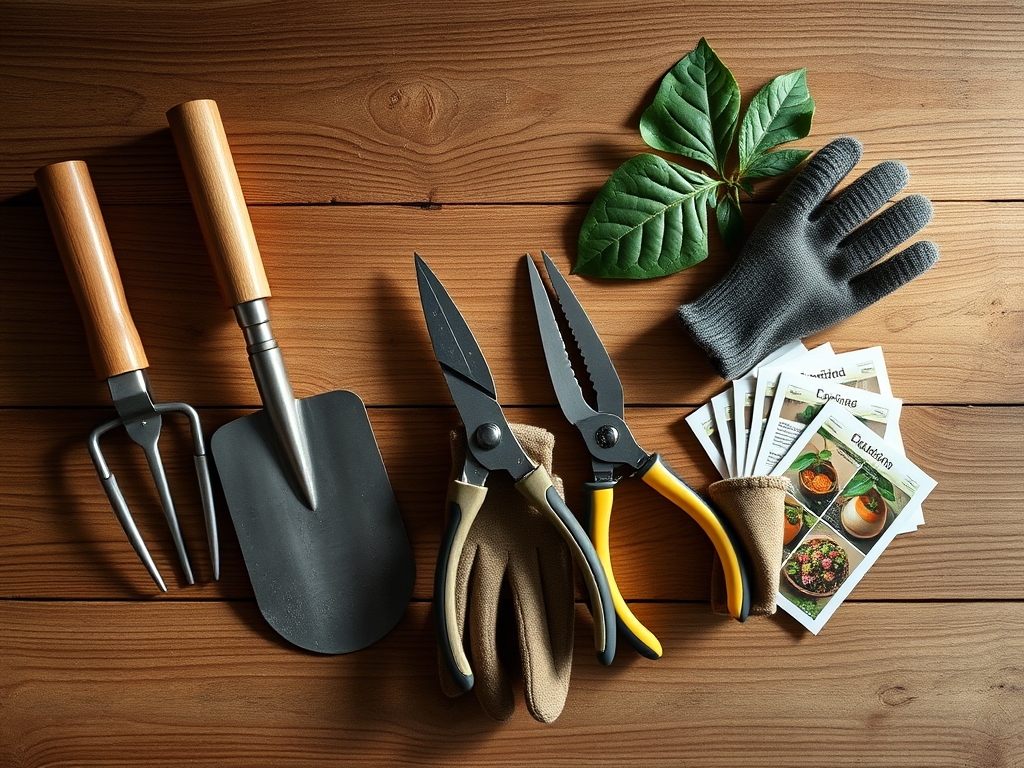
The substrate must be a friable, coarse medium with a high Cation Exchange Capacity (CEC) to ensure nutrient availability. Aim for a soil pH between 5.5 and 6.5. A standard potting mix will cause root senescence due to compaction. Instead, assemble a substrate consisting of 40 percent orchid bark, 30 percent coconut coir, 20 percent perlite, and 10 percent worm castings.
For fertilization, utilize a water-soluble NPK ratio of 3-1-2. This specific ratio supports the high nitrogen demands of the vegetative phase while providing sufficient potassium for cellular wall strength. Ensure your irrigation water has a Total Dissolved Solids (TDS) reading below 150 ppm to prevent salt accumulation in the root zone. High salinity in the substrate leads to osmotic stress, which manifests as necrotic leaf margins.
Timing:
Monstera esqueleto is strictly a tropical specimen, suited for USDA Hardiness Zones 10 through 12. In temperate regions, this plant must remain in a climate-controlled environment where temperatures never drop below 60 degrees Fahrenheit. The biological clock of the esqueleto is governed by the photoperiod and ambient humidity rather than seasonal frost dates.
During the primary growth phase, typically from March to October in the Northern Hemisphere, the plant exhibits rapid meristematic activity. As light intensity decreases in winter, the plant enters a period of reduced metabolic demand. Do not attempt to force growth with high-nitrogen fertilizers during this dormant window. Instead, monitor the "Biological Clock" by observing the emergence of new cataphylls. When a new leaf begins to sheath, it signals the transition from a resting state to an active vegetative state, necessitating an increase in fertigation frequency.
Phases:

Sowing and Propagation
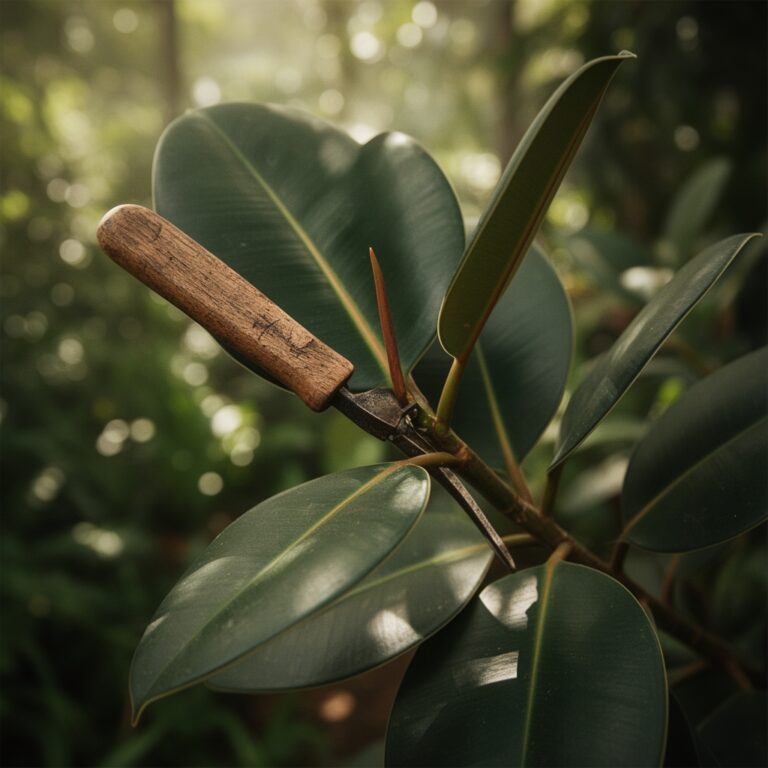
Propagation is most successful via nodal cuttings rather than seeds, which have a short viability window. Use a sterilized hori-hori knife to take a cutting with at least one axillary bud and one aerial root. Place the cutting in high-grade sphagnum moss maintained at 75 percent humidity.
Pro-Tip: Utilize a rooting hormone containing Indole-3-butyric acid (IBA). This chemical trigger stimulates the parenchyma cells to differentiate into adventitious roots, a process known as rhizogenesis.
Transplanting
Transfer the cutting to its permanent substrate once the secondary roots reach two inches in length. Ensure the pot has a diameter only two inches wider than the root ball to prevent "wet feet." A large volume of unoccupied soil retains excess moisture, leading to anaerobic conditions.
Pro-Tip: Inoculate the root zone with mycorrhizal fungi. This symbiotic relationship extends the root system's reach, allowing for more efficient uptake of phosphorus and micronutrients through the fungal hyphae.
Establishing and Climbing
Monstera esqueleto is a hemiepiphyte. It requires a vertical support, such as a cedar plank or a moss pole, to reach its mature morphology. As the plant climbs, the leaves will undergo heteroblastic development, increasing in size and complexity.
Pro-Tip: Secure the nodes tightly against the support to encourage thigmotropism. When the aerial roots sense a solid surface, they produce adhesive hairs that anchor the plant, signaling the apical meristem to produce larger, more fenestrated foliage.
The Clinic:
Physiological disorders in Monstera esqueleto are often the result of environmental imbalances rather than pathogens.
- Symptom: Interveinal Chlorosis (Yellowing between green veins).
- Cause: Magnesium deficiency or high pH blocking nutrient uptake.
- Solution: Apply a foliar spray of Epsom salts (1 teaspoon per gallon) and verify the substrate pH is below 6.5.
- Symptom: Guttation and Edema (Water-soaked spots).
- Cause: Excessive root pressure and low transpiration rates.
- Solution: Increase airflow using a circulation fan and reduce irrigation frequency.
- Symptom: Small, non-fenestrated leaves.
- Cause: Insufficient Light (low Photosynthetic Photon Flux Density).
- Solution: Move the plant to a location receiving 200 to 400 foot-candles of indirect light.
Fix-It for Nitrogen Chlorosis: If the oldest leaves are turning a uniform pale yellow, the plant is scavenging nitrogen for new growth. Apply a quick-release liquid fertilizer with a 10-5-5 NPK to restore leaf color and boost chlorophyll production.
Maintenance:
Precision is the hallmark of professional maintenance. Use a soil moisture meter to ensure the substrate is dry to a depth of two inches before irrigating. On average, this plant requires 1.5 inches of water per week, delivered directly to the root zone. Avoid wetting the foliage at night, as standing water facilitates fungal spore germination.
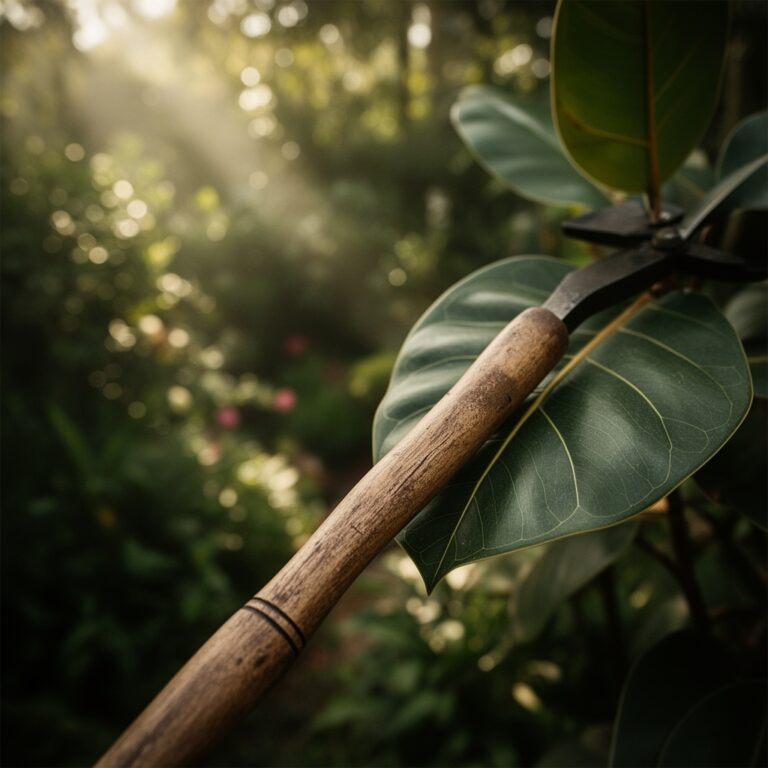
Pruning should be performed with bypass pruners that have been disinfected with 70 percent isopropyl alcohol. Remove any senescent (yellowing) leaves at the base of the petiole to redirect energy to the apical meristem. Dust the leaf surfaces every 14 days with a damp microfiber cloth. Accumulated dust limits the amount of light reaching the chloroplasts, significantly reducing the rate of photosynthesis.
Monitor the aerial roots carefully. If they become brittle, the ambient humidity is likely below 50 percent. Aim for a consistent 65 to 75 percent humidity range to maintain the health of the vascular tissues.
The Yield:
While Monstera esqueleto is grown for its architectural foliage rather than fruit, the "yield" is measured in leaf quality and node spacing. To maximize the aesthetic yield, ensure the plant is never moved once it has acclimated to a light source. Frequent changes in orientation cause the petioles to twist as the plant exhibits phototropism, resulting in a disorganized growth habit. For "day-one" freshness in a show environment, use a distilled water wipe to remove any calcium carbonate spots from the leaf blades.
FAQ:
How often should I water my Monstera esqueleto?
Irrigate when the top two inches of the substrate are dry. This usually equates to once every 7 to 10 days, depending on ambient humidity and light intensity. Use a soil moisture meter for accuracy.
What is the best light for Monstera esqueleto?
Provide bright, indirect light measuring between 200 and 400 foot-candles. Avoid direct midday sun, which causes leaf scorch and destroys chlorophyll. North or East-facing windows are typically ideal for maintaining leaf integrity.
Why are the leaf tips on my esqueleto turning brown?
Brown tips indicate low humidity or salt accumulation in the soil. Ensure humidity is above 60 percent and flush the substrate with distilled water to leach out excess minerals from fertilizers.
Does Monstera esqueleto need a moss pole?
Yes. As a hemiepiphyte, it requires vertical support to trigger morphological maturation. Climbing allows the plant to produce larger leaves with the characteristic "skeleton" fenestrations through thigmotropic responses.