10 Pro Tips How to Care for Ficus Elastica Burgundy
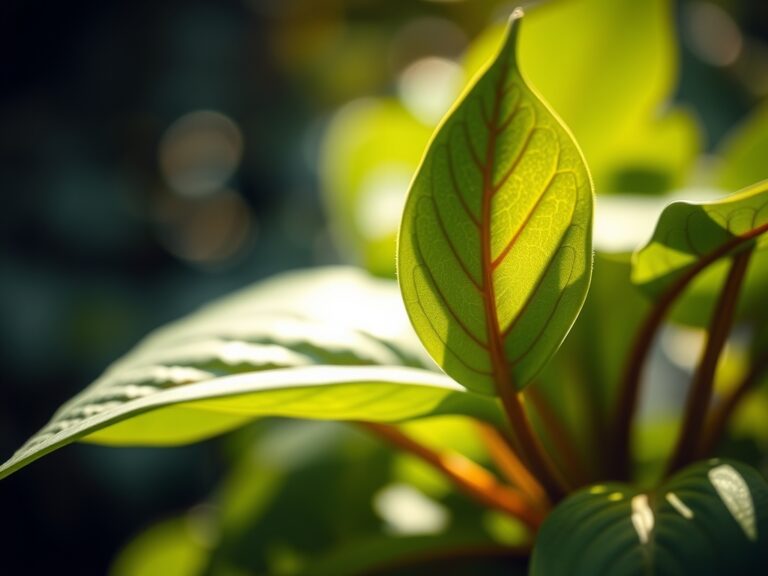
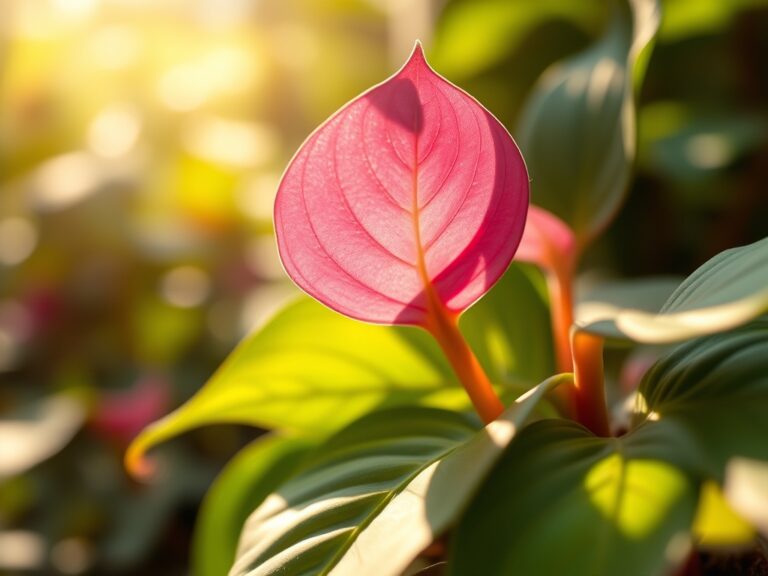
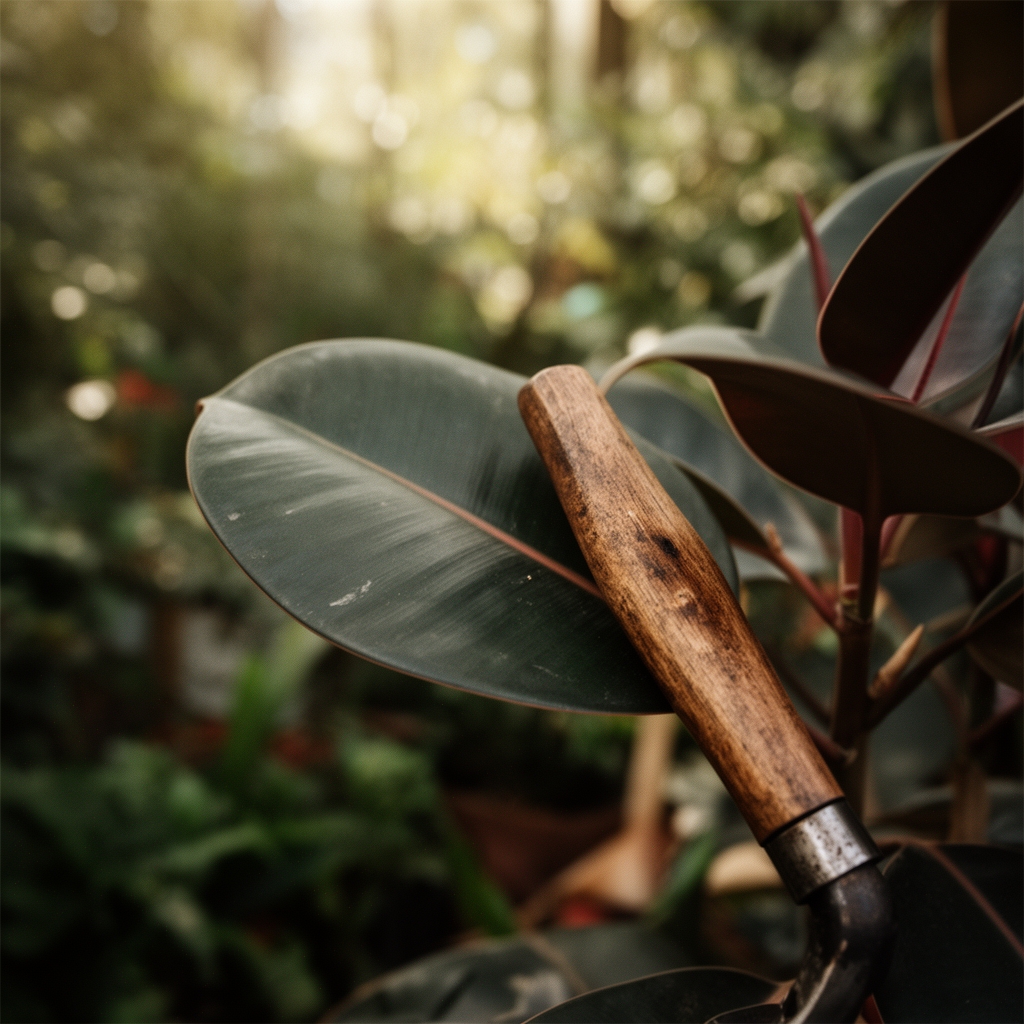
The deep burgundy underside of a Ficus elastica 'Burgundy' leaf catches afternoon light like stained glass, revealing veins that branch in perfect fractals. This cultivar of the rubber tree commands attention in any interior space, but only when its keeper understands the relationship between substrate chemistry, light intensity, and vascular health. Learning how to care for ficus elastica burgundy means grasping the species' evolutionary adaptations to the humid forests of Southeast Asia, then replicating those conditions within the constraints of residential environments.
Materials
Select a container with drainage holes and a capacity of 2-3 gallons for juvenile specimens. The growing medium must replicate the well-drained, slightly acidic conditions of the plant's native range. Combine 40% coconut coir, 30% pine bark fines, 20% perlite, and 10% worm castings to achieve a pH between 6.0 and 6.5. This blend provides adequate cation exchange capacity while preventing water retention that leads to root hypoxia.
For fertilization, use a balanced organic meal rated 4-4-4 (nitrogen-phosphorus-potassium) during active growth from April through September. Dilute liquid kelp extract to one-quarter strength and apply every three weeks. The trace minerals in kelp, particularly iron and manganese, prevent interveinal chlorosis common in containerized Ficus. During dormancy from October through March, reduce nitrogen inputs to 2-4-4 to discourage leggy growth under low light conditions.
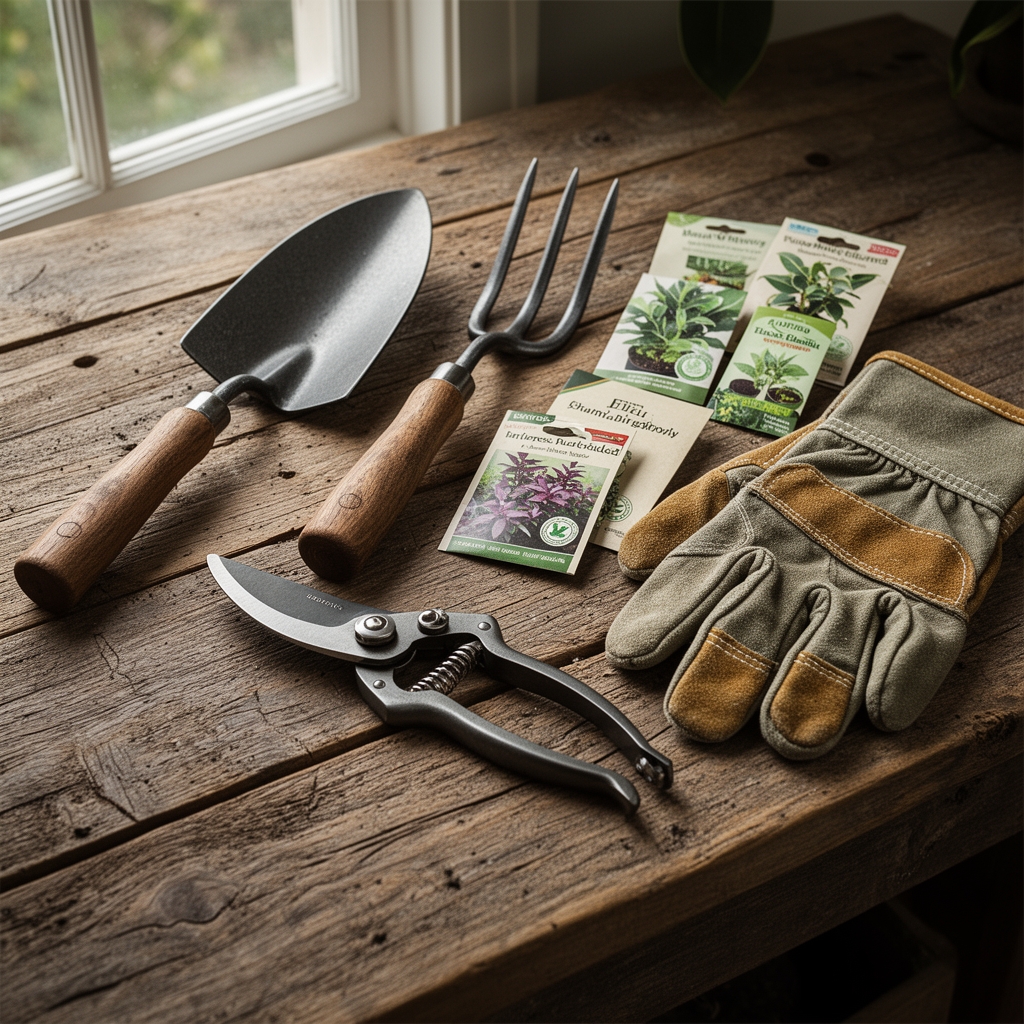
Sterilize pruning shears with 70% isopropyl alcohol before each cut. A soil moisture meter with a probe length of at least 6 inches eliminates guesswork in watering schedules. Invest in a full-spectrum LED grow light with a photosynthetic photon flux density (PPFD) of 150-250 µmol/m²/s if natural light drops below 200 foot-candles.
Timing
Ficus elastica 'Burgundy' thrives as a houseplant in USDA Hardiness Zones 3-11, though outdoor cultivation is limited to Zones 10-11 where temperatures remain above 50°F year-round. In tropical climates, plant or transplant after the last spring rain when humidity stabilizes above 60%.
For temperate zones, introduce new specimens indoors between March and May. This timing aligns with increasing day length and ambient temperatures, allowing the plant to establish roots before winter dormancy. Avoid repotting between November and February when auxin distribution slows and root regeneration stalls.
Monitor overnight temperatures carefully. Exposure to air below 45°F causes cellular damage manifesting as blackened leaf margins within 72 hours.
Phases
Establishment Phase (Weeks 1-8)
Place the plant 3-6 feet from an east or west-facing window where it receives 4-6 hours of indirect sunlight daily. Direct rays scorch the anthocyanin-rich leaves, bleaching the burgundy pigmentation. Water when the top 2 inches of substrate feel dry to touch, typically every 7-10 days depending on ambient humidity.
Pro-Tip: Inoculate the root zone with endomycorrhizal fungi (Glomus species) at transplanting. Mix 2 tablespoons of mycorrhizal powder directly with roots. These symbiotic fungi colonize root cortex cells and extend hyphae into surrounding substrate, increasing phosphorus uptake by 300-400% and improving drought tolerance.
Vegetative Phase (Months 3-12)

New leaf emergence signals active metabolism. Each leaf unfurls from a red sheath before expanding to full size over 10-14 days. Maintain relative humidity between 50-70% to prevent crispy leaf edges. Place a shallow tray filled with pebbles and water beneath the pot, ensuring the container base sits above the waterline.
Rotate the plant 90 degrees every two weeks to ensure even auxin distribution. Apical dominance causes the terminal bud to suppress lateral growth, producing a single-stemmed tree form.
Pro-Tip: To encourage branching, prune the apical meristem at a 45-degree angle just above a node using sterilized shears. This removes auxin production at the tip and triggers lateral bud break within 3-4 weeks.
Maturity Phase (Year 2+)
Mature specimens develop woody stems and aerial roots. These adventitious roots emerge from nodes and seek moisture, a behavior adapted for epiphytic growth in humid forests. Mist aerial roots weekly or wrap them in moistened sphagnum moss to prevent desiccation.
Repot every 2-3 years in spring, increasing container size by 2 inches in diameter. Root-bound plants exhibit stunted growth and accelerated leaf drop despite adequate care.
Troubleshooting
Symptom: Yellow leaves concentrated on lower stems, progressing upward.
Solution: Overwatering has induced root rot. Remove plant from container and inspect roots. Healthy roots appear cream-colored and firm. Trim any brown, mushy sections with sterilized shears. Repot in fresh substrate and reduce watering frequency by 30%.
Symptom: Brown, crispy leaf margins and tips.
Solution: Low humidity or fluoride toxicity from tap water. Increase ambient humidity above 50% using a humidifier. Switch to distilled or rainwater, as fluoride accumulates in leaf tissue and causes marginal necrosis.
Symptom: Sticky residue on leaves and stems, accompanied by small brown bumps.
Solution: Scale insects (Coccoidea family) are feeding on phloem sap. Dip a cotton swab in 70% isopropyl alcohol and apply directly to each scale. For heavy infestations, spray all leaf surfaces with horticultural oil at a 2% dilution, ensuring complete coverage of abaxial (lower) leaf surfaces.
Symptom: Sudden leaf drop affecting 30% or more of foliage.
Solution: Environmental shock from rapid temperature change, drafts, or transplant stress. Ficus species are notorious for stress-induced abscission. Stabilize conditions and avoid moving the plant. New growth resumes within 4-6 weeks if root system remains healthy.
Maintenance
Water when a moisture meter reads 3-4 (on a 1-10 scale) at 4-inch depth. This typically translates to 12-16 ounces of water per gallon of substrate. Always water until excess drains from the bottom, then discard standing water after 15 minutes.
Wipe leaves monthly with a damp microfiber cloth to remove dust that blocks stomata and reduces photosynthetic efficiency. Apply a diluted neem oil solution (1 tablespoon per quart of water) to all leaf surfaces every 6 weeks as a preventative against spider mites and fungal pathogens.
Prune dead or crossing branches at any time. Major structural pruning should occur in early spring before new growth initiates. Each cut triggers wound callus formation within 7-10 days, sealing vascular tissue against pathogen entry.
FAQ
How often should I fertilize Ficus elastica 'Burgundy'?
Apply 4-4-4 organic fertilizer at half strength every three weeks from April through September. Cease fertilization from October through March.
Why are new leaves emerging green instead of burgundy?
Insufficient light intensity reduces anthocyanin production. Move the plant closer to a light source or supplement with grow lights providing 200+ µmol/m²/s PPFD.
Can I propagate Ficus elastica 'Burgundy' from cuttings?
Yes. Take 6-inch stem cuttings with at least two nodes. Remove lower leaves and dip the cut end in rooting hormone powder (0.3% IBA). Place in moistened perlite under 70-80% humidity. Roots develop in 4-6 weeks.
Is the milky sap toxic?
The latex contains ficin, a proteolytic enzyme that causes dermatitis in sensitive individuals and gastrointestinal upset if ingested by pets. Wear gloves when pruning and keep away from animals.
How large will it grow indoors?
Containerized specimens reach 6-10 feet over 5-7 years. Pruning controls height while encouraging bushier growth habit.