10 Pro Steps to Install Window Boxes
The cold frame lid swings open on a March morning, and you see six-week-old seedlings ready for their final home. The steps to install window boxes begin not with brackets and drills, but with understanding substrate chemistry, structural load limits, and the microclimate gradient that exists between your exterior wall and open air. A properly installed window box can support 40 pounds of saturated growing medium per linear foot while delivering a controlled root environment that rivals in-ground beds for production. These steps to install window boxes merge carpentry precision with soil science to create a vertical growing system that thrives for years.
Materials
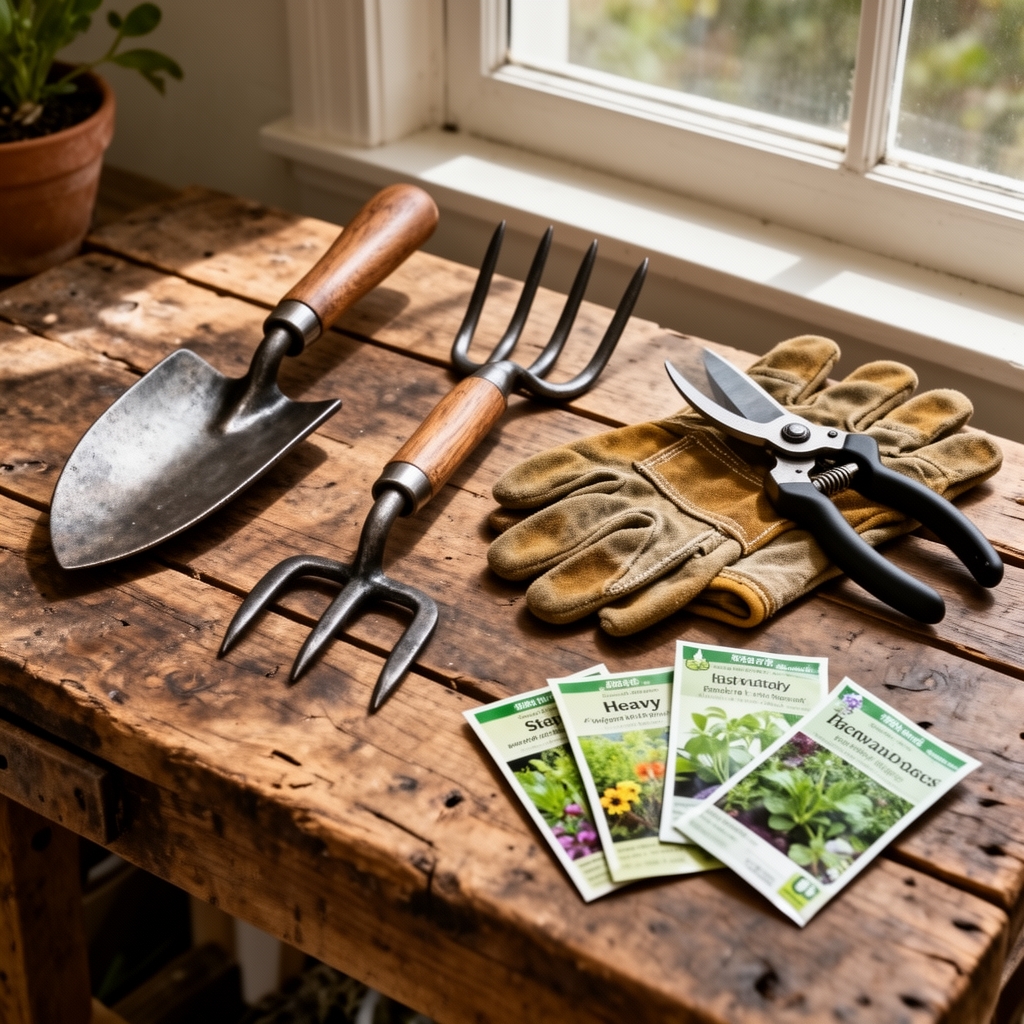
Select boxes constructed from rot-resistant cedar, redwood, or composite materials rated for exterior use. Avoid pressure-treated lumber containing copper azole near edible crops. Each box requires drainage holes spaced every 6 inches along the bottom surface, minimum 0.5 inches in diameter.
Mounting hardware must match your exterior wall composition. Brick and masonry demand 3-inch stainless steel lag shields with 0.25-inch bolts. Wood siding requires 4-inch galvanized lag screws driven into wall studs. Vinyl siding installations need blocking installed behind the siding plane to distribute load across framing members.
For growing medium, blend 40 percent aged pine bark fines, 30 percent sphagnum peat moss, 20 percent perlite, and 10 percent compost with a cation exchange capacity above 12 meq/100g. Amend with dolomitic limestone to achieve pH 6.2 to 6.8. Incorporate a 4-4-4 organic fertilizer at 2 pounds per cubic foot to establish baseline NPK levels. Add mycorrhizal fungi inoculant at 0.5 ounces per cubic foot during final mixing.
Brackets should extend 8 to 10 inches from the wall surface to allow air circulation behind the box. Choose powder-coated steel or marine-grade aluminum rated for 60 pounds per bracket pair.
Timing
Installation timing depends on USDA Hardiness Zone and last frost date. In Zones 5 through 7, mount boxes 2 to 3 weeks before the last expected frost, typically mid-April to early May. This schedule allows substrate to warm and beneficial microbes to colonize before transplanting.
Zones 8 through 10 permit year-round installation, but avoid periods of extreme heat above 90°F when epoxy-based mounting adhesives may fail to cure properly. In Zone 4 and colder, delay installation until soil temperatures at 4-inch depth consistently exceed 50°F to prevent frost heaving that can torque mounting hardware.
Southern exposures create microclimates 10 to 15°F warmer than ambient air temperature. Account for this heat island effect when selecting species and calculating irrigation needs.
Phases
Mounting Phase: Locate wall studs with an electronic stud finder at 16-inch intervals. Mark pilot hole locations 1 inch below the window sill, ensuring brackets sit level within 0.125 inches per foot. Drill pilot holes to 75 percent of lag screw diameter to prevent splitting. Drive lag screws until bracket flange sits flush against siding without deforming material. Test each bracket with 80 pounds of downward force before proceeding.
Pro-Tip: Apply a bead of polyurethane sealant behind each bracket flange to prevent water infiltration that causes wood rot and compromises structural integrity.
Filling Phase: Place a 1-inch layer of coarse gravel or broken terracotta at the box bottom to improve drainage velocity. Add prepared growing medium to within 2 inches of the rim, tamping lightly to eliminate air pockets that cause uneven settling. Water thoroughly until drainage begins, then allow substrate to rest for 24 hours before transplanting.
Pro-Tip: Incorporate polymer moisture crystals at 1 tablespoon per gallon of medium to increase water-holding capacity by 40 percent in high-evaporation exposures.
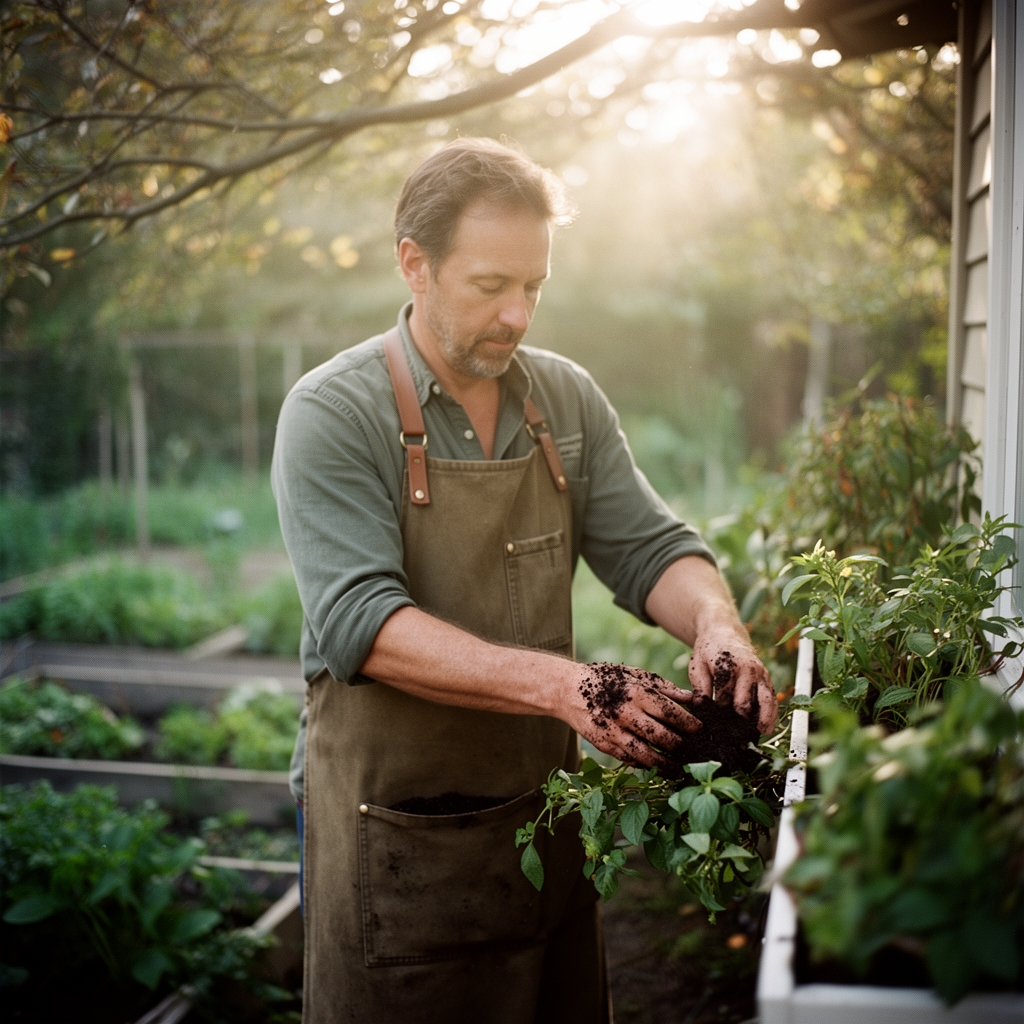
Planting Phase: Transplant seedlings at the same depth they occupied in nursery containers. Space plants according to mature spread, typically 6 to 8 inches for herbs, 10 to 12 inches for determinate annuals. Firm medium around root balls to eliminate air gaps that disrupt capillary water movement. Apply 1 inch of shredded hardwood mulch to suppress evaporation and moderate substrate temperature fluctuations.
Pro-Tip: Remove the bottom 0.5 inches of root mass before transplanting to stimulate lateral root development and auxin distribution that improves nutrient uptake efficiency.
Troubleshooting
Symptom: Chlorosis in new growth with green veins.
Solution: Iron deficiency induced by high pH. Drench with chelated iron solution at 1 tablespoon per gallon. Reduce pH by top-dressing with elemental sulfur at 0.25 cups per cubic foot.
Symptom: Brown leaf margins with cupping.
Solution: Salt accumulation from over-fertilization. Flush substrate with 3 gallons of water per cubic foot of medium to leach excess soluble salts below root zone.
Symptom: Stunted growth with purple-tinged foliage.
Solution: Phosphorus deficiency in cold substrate. Apply bone meal at 2 tablespoons per box or liquid 5-10-5 at half strength weekly until root zone warms above 60°F.
Symptom: Wilting despite moist substrate.
Solution: Root rot caused by Pythium species. Remove affected plants. Improve drainage. Drench remaining substrate with biological fungicide containing Trichoderma harzianum.
Maintenance
Apply 1 inch of water when the top 2 inches of substrate feels dry to touch, typically every 2 to 3 days in full sun exposures. Fertilize every 14 days with liquid 5-5-5 organic fertilizer diluted to 250 ppm nitrogen. Deadhead spent blooms every 3 days to redirect auxin production toward new flower bud initiation rather than seed set.
Inspect mounting hardware monthly for corrosion or loosening. Retighten lag screws to original torque if visible gaps appear. Remove spent plants before first frost. Empty substrate and store boxes inverted to prevent ice expansion damage.
FAQ
How much weight can a standard window box support?
Properly installed boxes on studs hold 60 to 80 pounds when saturated, equivalent to 2 cubic feet of growing medium plus mature plants.
Can I install window boxes on brick without drilling?
No. Adhesive mounts lack the shear strength for sustained loads. Masonry anchors are required for safe installation.
What spacing prevents root competition?
Allow 1 gallon of substrate per plant for herbs, 2 gallons for flowering annuals to prevent nutrient depletion.
Do window boxes need winter protection?
Yes in Zones 6 and colder. Empty substrate and store boxes or wrap with insulating foam to prevent freeze-thaw cracking.
How often should I replace growing medium?
Replace 50 percent of substrate annually to maintain cation exchange capacity and prevent pathogen buildup from successive plantings.