9 Romantic Ways How to Design a Rose Garden
The scent of damp, loamy earth at dawn coincides with the peak turgor pressure of a healthy rose cane. This internal fluid pressure keeps the plant upright and ensures that the vascular system effectively transports nutrients from the rhizosphere to the apical meristems. Success in learning how to design a rose garden depends on mastering these physiological variables. A romantic aesthetic is not achieved through luck but through the precise manipulation of light, soil chemistry, and airflow to prevent fungal pathogens from colonizing the foliage.
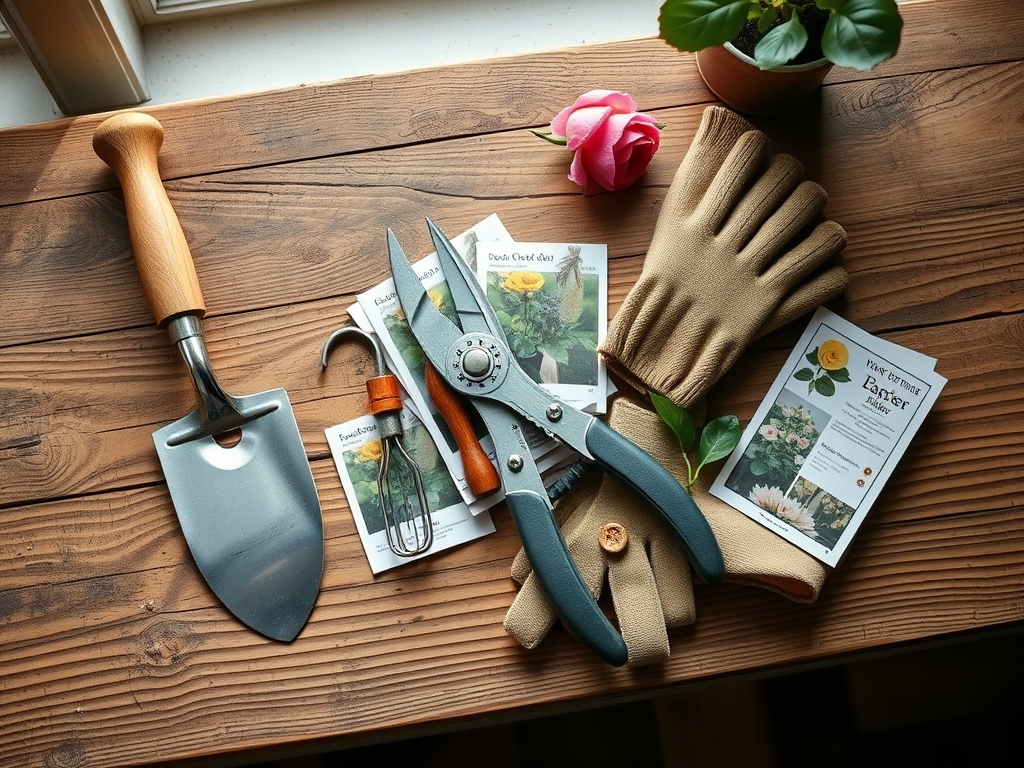
Materials:
The foundation of a rose garden is the substrate. Roses require a friable loam with a high Cation Exchange Capacity (CEC). This allows the soil to hold onto essential nutrients like calcium and magnesium rather than letting them leach away during irrigation. Aim for a soil pH between 6.0 and 6.5. If the pH drops below 5.5, phosphorus becomes chemically locked and unavailable to the plant.
Specific nutrient requirements shift throughout the season. For the initial planting phase, use a fertilizer with an NPK ratio of 5-10-5. The higher phosphorus content encourages robust root development. Once the plant enters its reproductive stage, transition to a 10-10-10 or 15-10-10 formula. Incorporate organic matter such as well-rotted manure or leaf mold to improve soil structure. This organic component increases the water-holding capacity of the soil, ensuring that the roots remain hydrated without becoming anaerobic.
Timing:
Timing is dictated by USDA Hardiness Zones. In Zones 5 through 8, the optimal planting window is early spring, immediately after the last hard frost. This allows the root system to establish before the heat of summer increases the rate of transpiration. In warmer climates like Zones 9 and 10, late autumn or winter planting is preferred to avoid heat stress.
The biological clock of a rose is governed by the photoperiod and temperature. Roses transition from vegetative growth to reproductive stages as day lengths increase and soil temperatures stabilize above 55 degrees Fahrenheit. Understanding this transition is vital for pruning. Pruning too early can trigger new growth that is susceptible to late-season frost damage. Pruning too late can delay the first flush of blooms and reduce the overall vigor of the plant.
Phases:

Sowing and Selection
Most rose gardens are established using bare-root or container-grown specimens rather than seeds. When selecting bare-root roses, ensure the canes are plump and green. Soak the roots in a bucket of water for 12 to 24 hours prior to planting to rehydrate the cellular tissues.
Pro-Tip: Dip the root system in a mycorrhizal fungi inoculant. This establishes a symbiotic relationship where the fungi extend the reach of the root system, increasing the uptake of water and micronutrients like zinc and copper.
Transplanting
Dig a hole twice as wide as the root ball and just as deep. Create a small mound of soil at the bottom of the hole and spread the roots over it. Ensure the graft union; the swollen area where the rose variety is joined to the rootstock; is positioned 1 to 2 inches below the soil surface in cold climates to protect it from freezing. In warmer regions, keep the union at soil level.
Pro-Tip: Firm the soil gently to remove air pockets but do not compact it. Compaction reduces the oxygen available to the roots, leading to root rot. This process maintains the oxygen-to-water ratio necessary for cellular respiration.
Establishing
During the first six weeks, the plant focuses on root expansion. Provide 2 to 3 gallons of water per week, delivered slowly to ensure deep penetration. Mulch the base with 3 inches of wood chips or straw to regulate soil temperature and suppress weed competition.
Pro-Tip: Remove any flower buds that appear in the first month. This redirects the plant's energy from reproduction to vegetative and root growth via a process called auxin suppression. By removing the apical dominance of the flower bud, you encourage a stronger structural framework.
The Clinic:
Physiological disorders often mimic nutrient deficiencies. Accurate diagnosis is essential for effective treatment.
- Nitrogen Chlorosis: The older, lower leaves turn a uniform pale yellow while the veins remain slightly darker. Solution: Apply a high-nitrogen liquid fertilizer to quickly restore chlorophyll production.
- Iron Deficiency: New growth at the top of the plant turns yellow, but the veins remain dark green. This is common in alkaline soils where the pH is above 7.0. Fix-It: Apply chelated iron to the soil or as a foliar spray to bypass soil lock-up.
- Heat Stress: Leaves wilt during the day despite adequate soil moisture and may develop scorched edges. Solution: Increase mulch depth and provide afternoon shade during peak UV index hours.
- Powdery Mildew: A white, flour-like substance appears on leaves and buds, caused by high humidity and poor airflow. Solution: Prune the center of the bush to increase air circulation and reduce the humidity within the canopy.
Maintenance:
Precision maintenance is the difference between a struggling plant and a productive one. Use a soil moisture meter to check the hydration levels at a depth of 6 inches. Roses require approximately 1.5 inches of water per week delivered at the drip line. Avoid overhead irrigation, as wet foliage facilitates the germination of fungal spores.
Pruning requires high-quality bypass pruners for clean cuts that heal quickly. Always cut at a 45-degree angle approximately 1/4 inch above an outward-facing bud. This directs new growth away from the center of the plant. Use a hori-hori knife to remove deep-rooted weeds that compete for nitrogen in the rhizosphere. Every three years, perform a soil test to recalibrate your fertilization schedule based on the actual nutrient depletion levels.
The Yield:
For those harvesting roses for floral arrangements, timing is critical. Harvest in the early morning when the sugar content is highest and the stems are at maximum turgidity. Use sharp shears to cut the stem at a 45-degree angle.
Immediately submerge the stems in lukewarm water. To ensure "day-one" freshness, re-cut the stems under water to prevent air embolisms from blocking the xylem. Store the flowers in a cool environment, away from ripening fruit, which releases ethylene gas. Ethylene accelerates the senescence of the petals, causing them to drop prematurely.
FAQ:
How much sun do roses need?
Most varieties require a minimum of six hours of direct sunlight daily. Insufficient light leads to leggy growth, reduced flower production, and increased susceptibility to fungal pathogens. Morning sun is preferred to dry dew quickly.
What is the best mulch for roses?
Use organic materials like shredded bark, pine needles, or compost. Apply a layer 2 to 3 inches thick. This regulates soil temperature, retains moisture, and gradually adds organic matter to the soil as it decomposes.
When should I prune my roses?
Prune in late winter or early spring just as the buds begin to swell. This timing ensures the plant is still dormant but ready to initiate new growth. Remove dead, damaged, or crossing canes to maintain health.
Why are my rose leaves turning yellow?
Yellowing, or chlorosis, is often caused by nitrogen deficiency or improper pH. It can also result from overwatering, which suffocates the roots. Check soil moisture and pH levels before applying chemical treatments to the plant.