9 Easy Steps to Philodendron Heartleaf Care
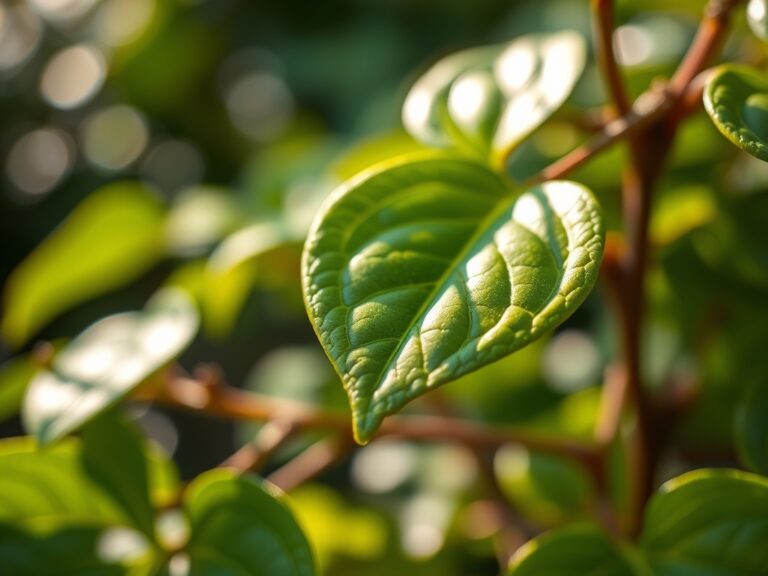
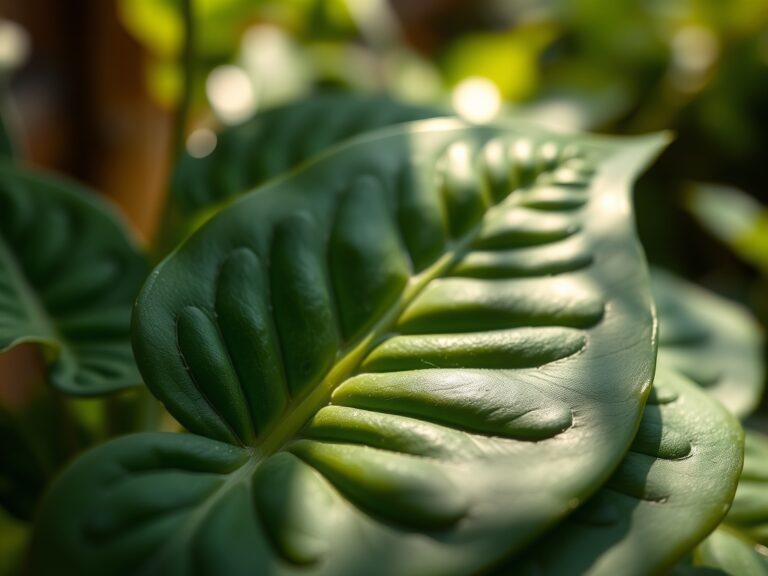
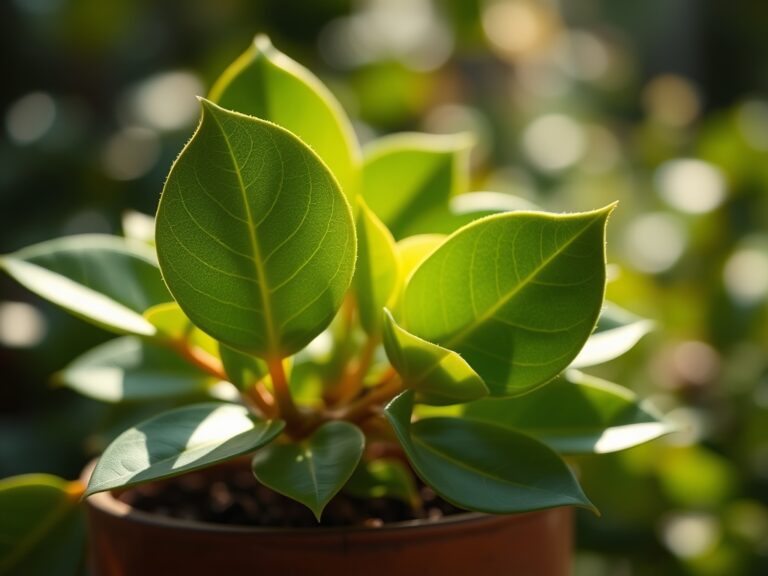
The smell of damp peat and the crisp snap of a leaf with high turgor pressure define the experience of a successful indoor canopy. Philodendron hederaceum requires a precise balance of hydration and light to maintain its characteristic waxy sheen. Following specific steps to philodendron heartleaf care ensures the specimen avoids the cellular collapse associated with improper irrigation. This species thrives when the rhizosphere remains oxygenated while the foliage maintains a consistent rate of transpiration.
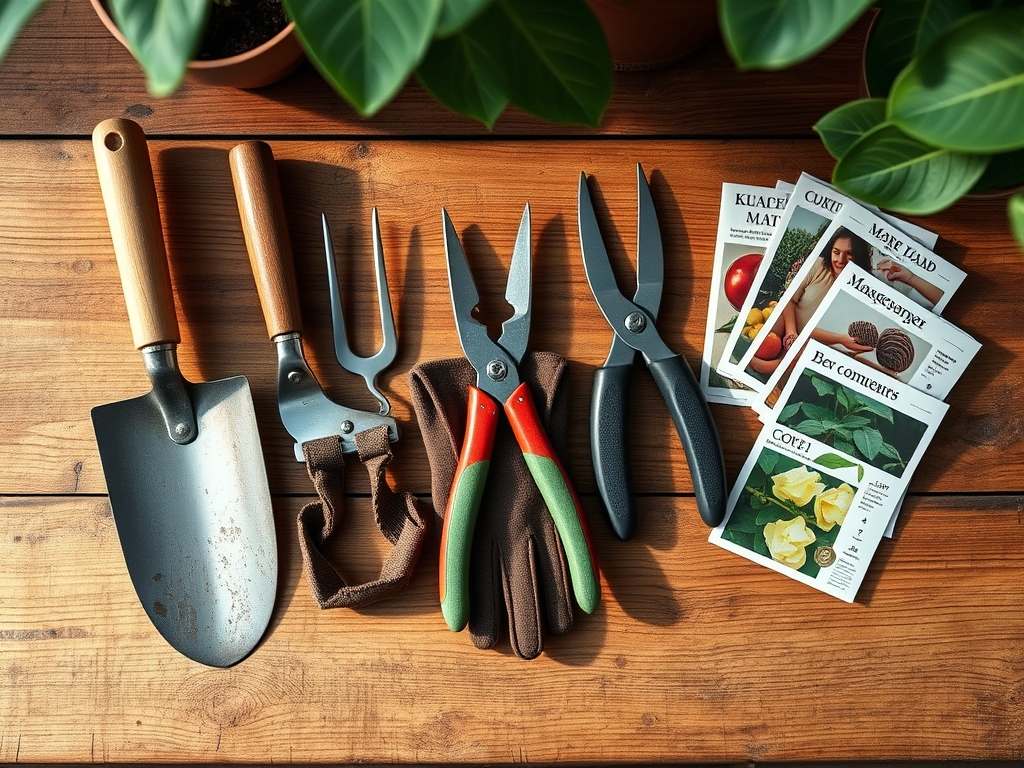
Materials:
The foundation of heartleaf health is a substrate with high Cation Exchange Capacity (CEC). This allows the soil to hold and release essential nutrients like potassium and magnesium. Aim for a pH range between 6.0 and 7.0. The physical texture must be a friable loam; a mixture of 50 percent peat moss, 30 percent perlite, and 20 percent pine bark provides the necessary macropores for gas exchange.
Nutrient requirements shift based on the growth phase. During active vegetative expansion, utilize a water-soluble fertilizer with an NPK ratio of 20-20-20. If the plant shows signs of leggy growth with small leaves, pivot to a 10-10-10 formula to provide a steady supply of micronutrients without triggering excessive internodal stretching. Ensure the pot has at least three drainage holes to prevent anaerobic conditions at the root zone.
Timing:
Philodendron hederaceum is native to tropical environments and is biologically suited for USDA Hardiness Zones 10 through 12. In temperate climates, this plant must remain indoors once ambient temperatures drop below 55 degrees Fahrenheit. The biological clock of the plant is dictated by the photoperiod. During the spring and summer, the plant enters a high-metabolic vegetative state.
Growth slows significantly during the winter solstice when light intensity decreases. Do not attempt major pruning or repotting during this period of semi-dormancy. The ideal window for propagation and transplanting is late March through early June. This timing aligns with the plant's natural surge in auxin production, which facilitates rapid root initiation in new cuttings or disturbed root balls.
Phases:

Sowing and Propagation
While seeds are rare in cultivation, nodal cuttings are the standard. Use a sharp, sterilized blade to take a 4-inch cutting containing at least two nodes. Submerge the lower node in deionized water or a sterile rooting medium.
Pro-Tip: Dip the cut end in a rooting hormone containing Indole-3-butyric acid. This triggers adventitious root formation by overriding the plant's natural apical dominance, forcing undifferentiated cells to become root tissue.
Transplanting
Move the plant when roots begin to circle the interior of the pot, typically every 24 months. Select a container only 2 inches wider than the current one. Gently tease the roots to break the circular growth pattern.
Pro-Tip: Introduce a granular mycorrhizal inoculant to the new potting mix. This establishes a mycorrhizal symbiosis, where fungal hyphae extend the reach of the root system, increasing the surface area for phosphorus absorption by up to 100 times.
Establishing
Place the newly potted plant in a location with 250 to 400 foot-candles of indirect light. Avoid direct solar radiation, which can cause photo-oxidation of the chlorophyll. Keep the soil consistently moist but not saturated for the first 14 days.
Pro-Tip: Maintain high humidity around the plant to reduce the vapor pressure deficit (VPD). A lower VPD prevents the plant from losing water faster than the new roots can absorb it, maintaining turgor pressure during the critical establishment phase.
The Clinic:
Physiological disorders often mimic pathogen attacks. Accurate diagnosis requires looking at the pattern of tissue death.
- Symptom: Interveinal Chlorosis. The leaves turn yellow while the veins remain green.
- Solution: This indicates a magnesium deficiency. Apply a solution of one tablespoon of Epsom salts per gallon of water to restore chlorophyll production.
- Symptom: Tip Necrosis. The tips of the leaves turn brown and brittle.
- Solution: This is often caused by fluoride or salt accumulation from tap water. Flush the soil with two gallons of distilled water for every one gallon of pot volume to leach out excess minerals.
- Symptom: Nitrogen Chlorosis. The oldest leaves turn uniformly pale yellow and drop.
- Solution: Apply a high-nitrogen fertilizer (NPK 30-10-10) to stimulate new vegetative growth and restore the nitrogen pool within the plant tissue.
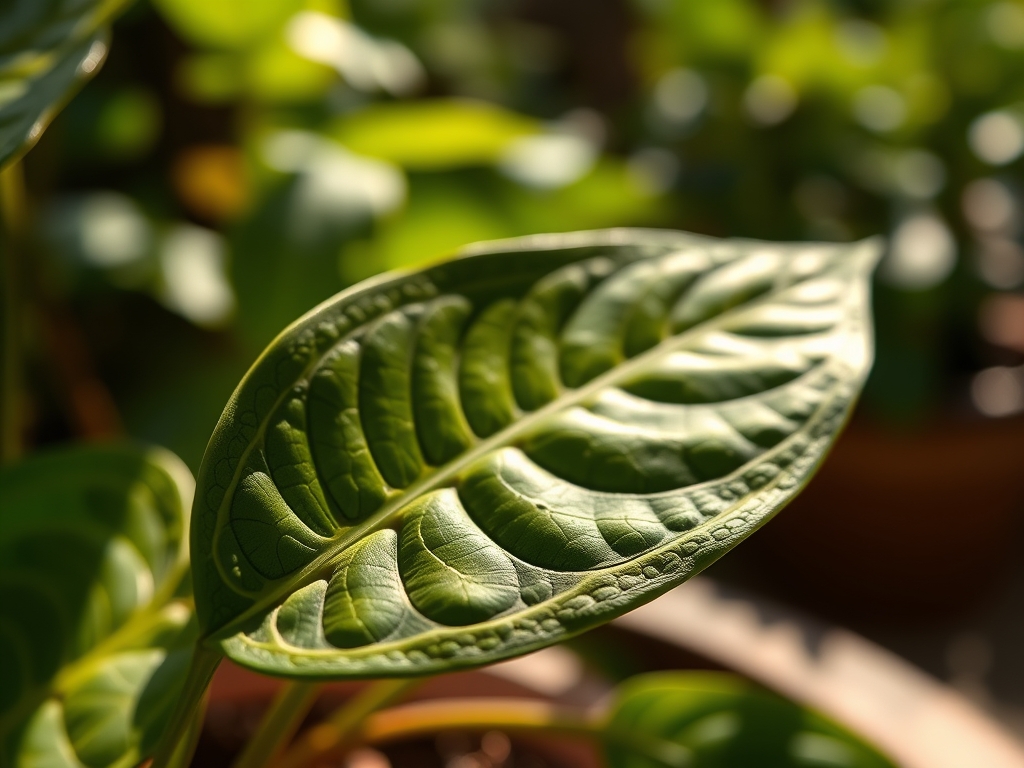
- Symptom: Edema. Small, corky bumps appear on the underside of the leaves.
- Solution: This is a result of the roots taking up water faster than the leaves can transpire it. Reduce watering frequency and increase air circulation to stabilize internal hydraulic pressure.
Maintenance:
Precision is required for long-term vigor. Use a soil moisture meter to ensure the substrate has dried to a level of 3 on a 10-point scale before adding water. Generally, provide 1.5 inches of water per week during the growing season. Use bypass pruners to remove any senescent foliage; make cuts at a 45-degree angle approximately 0.25 inches above a node.
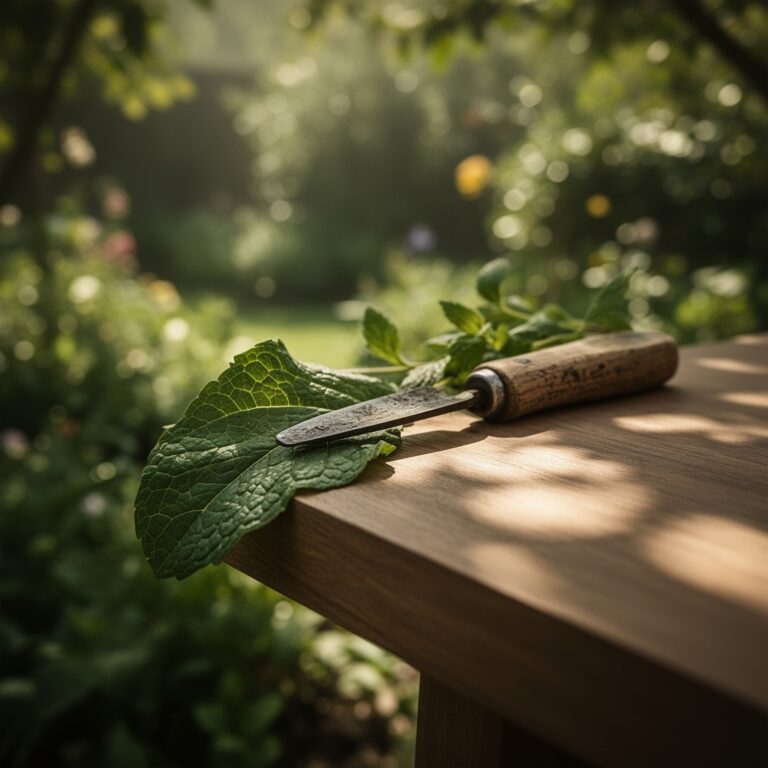
Clean the leaf surfaces monthly with a damp cloth to remove dust. Dust buildup blocks the stomata, which are the microscopic pores responsible for gas exchange. If the plant becomes too heavy, use a hori-hori knife to slice through the outer inch of the root ball during repotting to encourage new, more efficient feeder roots.
The Yield:
While not an edible crop, the "yield" of a Philodendron heartleaf is its biomass. To maximize foliage density, employ "pinching." Use your thumb and forefinger to remove the growing tip of a vine. This suppresses auxin production at the tip and stimulates the release of cytokinins in the lateral buds. This process results in a bushier plant with multiple trailing stems rather than a single long vine. For the best aesthetic results, perform this during the peak of the summer growth surge.
FAQ:
How much light does a heartleaf philodendron need?
The plant requires 250 to 400 foot-candles of bright, indirect light. Direct sunlight causes leaf scorch and photo-oxidation. In low-light environments below 50 foot-candles, growth will stall and internodal spacing will increase significantly.
Why are my philodendron leaves turning yellow?
Uniform yellowing of older leaves usually indicates nitrogen chlorosis. If the yellowing is blotchy or accompanied by soft stems, it is likely a sign of root rot caused by anaerobic soil conditions and over-saturation of the rhizosphere.
How often should I water my heartleaf philodendron?
Water when the top two inches of soil feel dry to the touch or a moisture meter reads 3. Typically, this equates to once every 7 to 10 days, depending on ambient humidity and the pot's drainage capacity.
Is my philodendron heartleaf toxic to pets?
Yes. The plant contains insoluble calcium oxalate crystals. If ingested, these crystals cause immediate oropharyngeal edema, drooling, and gastrointestinal distress. Keep the plant on high shelves or in hanging baskets away from domestic animals.