8 Easy Ways How to Use Terra Cotta
Terra cotta pottery has served gardeners for over 3,000 years, from the hanging gardens of ancient Mesopotamia to modern rooftop installations. The porous clay structure regulates soil moisture through passive evaporation while its mineral composition buffers substrate pH between 6.2 and 7.0. Learning how to use terra cotta correctly transforms container cultivation by optimizing root-zone aeration, preventing anaerobic conditions that trigger Pythium root rot, and moderating temperature swings that stress feeder roots. These eight methods harness the material's hygroscopic properties and thermal mass to extend growing seasons and reduce irrigation frequency by 30 to 40 percent compared to glazed ceramics or plastic.
Materials
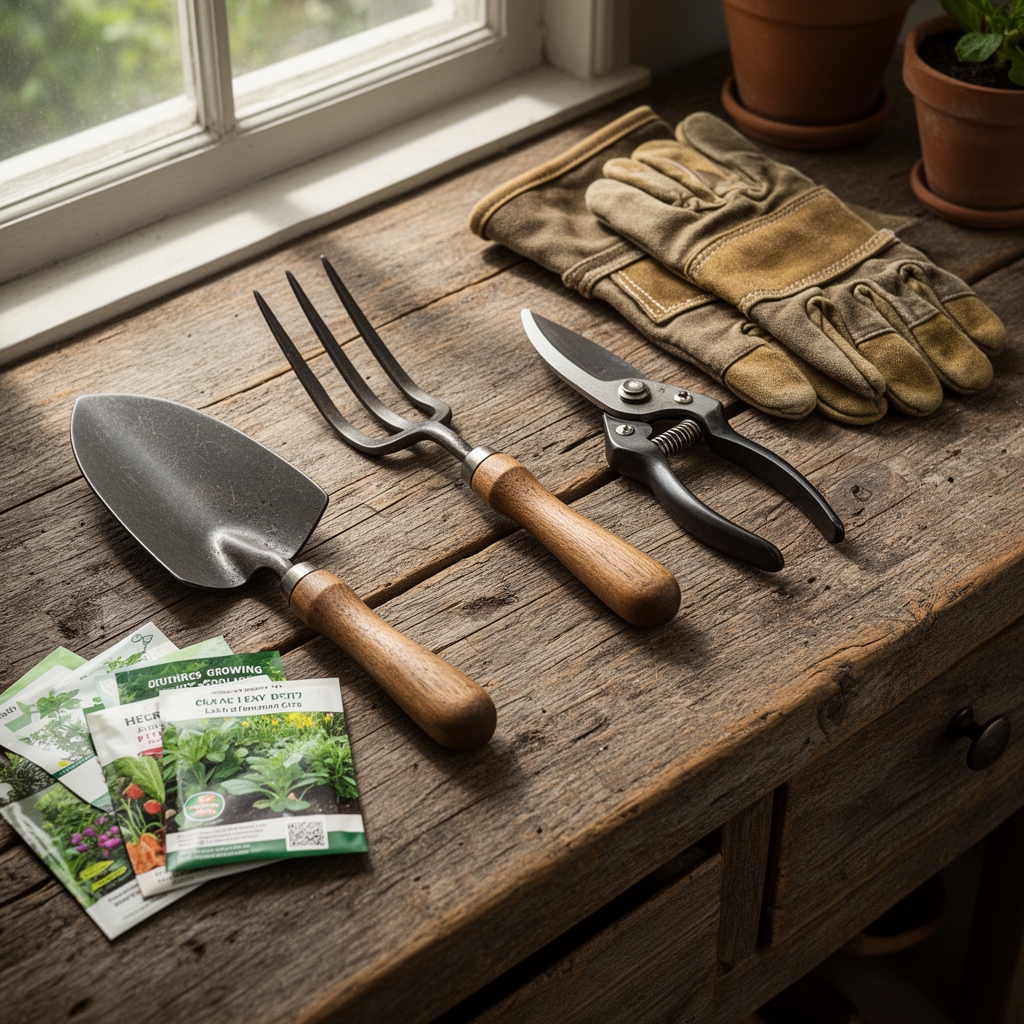
Select unglazed terra cotta with wall thickness between 0.5 and 0.75 inches. Thinner walls increase moisture wicking but compromise structural integrity under freeze-thaw cycles. Standard potting mix should test at pH 6.0 to 6.8. Amend with composted pine bark fines (pH 5.5) at 20 percent volume for acid-loving genera like Rhododendron or Vaccinium. For Mediterranean herbs, incorporate coarse sand and perlite at 1:1:1 ratios with peat to raise drainage capacity above 0.8 inches per hour.
Base fertilization relies on granular organic blends rated 4-4-4 or 5-3-2 NPK. These slow-release formulations match terra cotta's gradual nutrient leaching rate. Supplement with soluble kelp extract (0-0-1 NPK plus trace minerals) every 14 days during active growth. Mycorrhizal inoculant at 150 propagules per gram improves phosphorus uptake in porous substrates where cation exchange capacity drops below 12 meq per 100 grams.
Timing
Hardiness Zones 3 through 7 require indoor staging from March 15 through May 10, two weeks before the last average frost date. Terra cotta absorbs solar radiation 40 percent faster than resin composites, advancing soil warming by 8 to 12 degree-days. This accelerates germination of warm-season crops including Capsicum and Solanum species when daytime ambient temperatures hold at 55 degrees Fahrenheit.
Zones 8 through 10 permit year-round outdoor use, though summer afternoon shade prevents root temperatures from exceeding 85 degrees. Evaporative cooling through pot walls lowers substrate temperature by 6 to 9 degrees relative to air temperature, protecting auxin distribution in apical meristems. Rotate containers 90 degrees weekly to equalize phototropic bending and prevent one-sided root girdling.
Phases

Sowing Phase: Direct-seed lettuces, radishes, and carrots into 8-inch terra cotta bulb pans. The shallow profile (4 inches deep) suits tap-rooted crops while the wide diameter (8 to 10 inches) distributes moisture laterally. Sow at double the packet rate, then thin to final spacing when true leaves emerge. Pre-soak pots for 20 minutes to prevent substrate moisture wicking into dry clay during the first 48 hours.
Pro-Tip: Coat interior surfaces with diluted neem oil (2 tablespoons per gallon) before filling. The residual azadirachtin layer deters fungus gnat larvae (Bradysia species) that colonize the moist interface between clay and soil.
Transplanting Phase: Move seedlings at the four-leaf stage into 1-gallon terra cotta standard pots. Position the root ball crown 0.5 inches below the rim to allow proper water pooling during irrigation. Firm substrate around roots at 60 percent maximum compression to preserve macropore space for oxygen diffusion. Water immediately with a starter solution of fish emulsion (5-1-1 NPK) diluted to half-strength.
Pro-Tip: Score root-bound transplants with four vertical cuts 0.25 inches deep using a sterilized blade. This mechanical disruption stimulates lateral root initiation within 72 hours, preventing circling that leads to stem girdling.
Establishing Phase: Acclimate containers over seven days by increasing outdoor exposure one hour daily. Terra cotta's thermal conductivity (0.6 W/m-K) makes roots vulnerable to sudden temperature drops below 50 degrees. Mulch the soil surface with 0.5 inches of shredded hardwood bark to reduce evaporation and stabilize diurnal temperature fluctuations. Fertilize at week three with granular 4-4-4 at 1 tablespoon per gallon of pot volume.
Pro-Tip: Inoculate established plants with Trichoderma harzianum at 10^6 colony-forming units per gram of substrate. This beneficial fungus colonizes terra cotta pore spaces and outcompetes Fusarium and Verticillium pathogens.
Troubleshooting
Symptom: White mineral crust on exterior walls.
Solution: Dissolved salts migrate through porous clay via capillary action. Leach pots monthly with three times the container volume of pH-adjusted water (6.5). Scrub deposits with a stiff brush and white vinegar (5 percent acetic acid).
Symptom: Rapid wilting between waterings.
Solution: Excessive evaporation through sidewalls. Seal exterior with breathable terracotta sealer or group pots to create a humid microclimate. Alternatively, double-pot by nesting the terra cotta inside a slightly larger glazed container with a 0.5-inch air gap.
Symptom: Algae growth on pot surfaces.
Solution: Excess moisture and light. Move containers to brighter locations where air circulation exceeds 3 mph. Apply copper-based algaecide at 0.5 ounces per gallon as a pot drench, avoiding foliage contact.
Symptom: Cracking after first winter.
Solution: Water-saturated clay expands upon freezing. Empty containers before nighttime temperatures drop below 28 degrees. Store inverted under eaves or apply two coats of linseed oil annually to reduce porosity by 25 percent.
Maintenance
Water when the top 1 inch of substrate feels dry to touch. Terra cotta pots require 1.5 times the irrigation volume of plastic equivalents. Apply 0.75 gallons per 1-gallon pot, ensuring 10 percent runoff to prevent salt accumulation. Check moisture daily during temperatures above 80 degrees.
Feed every 21 days with liquid organic fertilizer at 1 tablespoon per gallon of water. Alternate between fish emulsion (5-1-1) and seaweed extract (0-0-1) to balance macronutrients with micronutrients including iron, manganese, and zinc. Prune spent flowers at a 45-degree angle 0.25 inches above the nearest five-leaflet node to redirect auxins toward lateral bud breaks.
Repot root-bound specimens every 18 to 24 months. Select containers 2 inches larger in diameter. Tease outer roots gently and trim circling roots with sterilized shears. Refresh substrate completely rather than topping off, as depleted cation exchange sites cannot rebind nutrients effectively.
FAQ
How often should terra cotta pots be cleaned?
Sanitize annually with a 10 percent bleach solution (1 part bleach to 9 parts water). Soak for 15 minutes, scrub with a nylon brush, then rinse thoroughly. This removes pathogen reservoirs and salt deposits.
Can terra cotta be used for succulents?
Yes. The porous structure prevents water retention that causes crown rot in Echeveria and Sedum. Use a substrate of 50 percent coarse sand, 30 percent perlite, and 20 percent peat for drainage rates above 1.2 inches per hour.
Do terra cotta pots need saucers?
Saucers collect runoff but create humidity that encourages fungal growth. Use saucers only indoors or on wooden surfaces. Empty within 30 minutes of watering to prevent root asphyxiation.
What size pot suits tomatoes?
Determinate varieties require 5-gallon pots (12 inches diameter). Indeterminate types need 10-gallon containers (16 inches diameter) to support root systems exceeding 24 inches in depth.
How does terra cotta affect fertilizer needs?
Nutrient leaching increases by 20 percent compared to non-porous materials. Raise application frequency from every 28 days to every 21 days, or use controlled-release prills rated for 90-day longevity.