8 Best Swiss Cheese Plant Care Secrets
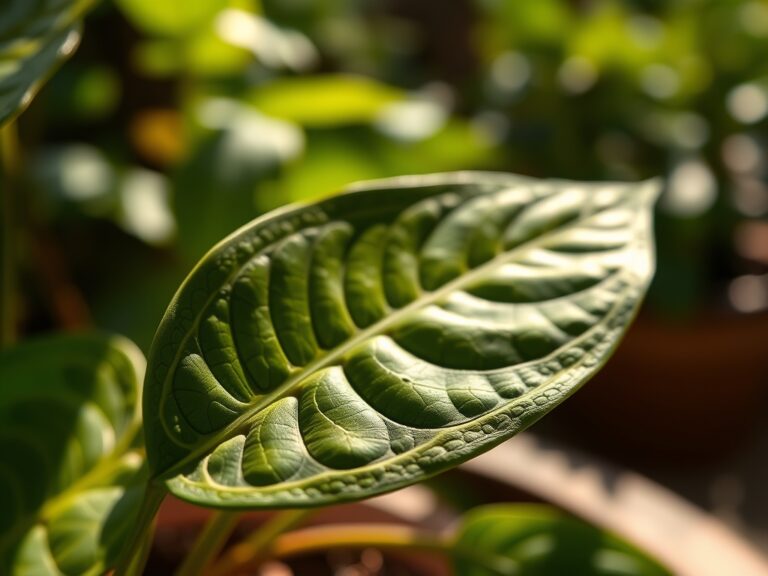
The glossy, perforated leaves of Monstera deliciosa arrest attention in any interior landscape. Split foliage evolved as a wind-resistance mechanism in Central American rainforests, but achieving those iconic fenestrations indoors requires precise environmental manipulation. The best swiss cheese plant care synthesizes tropical understory conditions: diffuse light, consistent moisture tension, and soil chemistry that mimics decomposing leaf litter. Most specimens fail not from neglect but from misunderstanding the plant's epiphytic ancestry and calcium-dependent cellular expansion patterns.
Materials
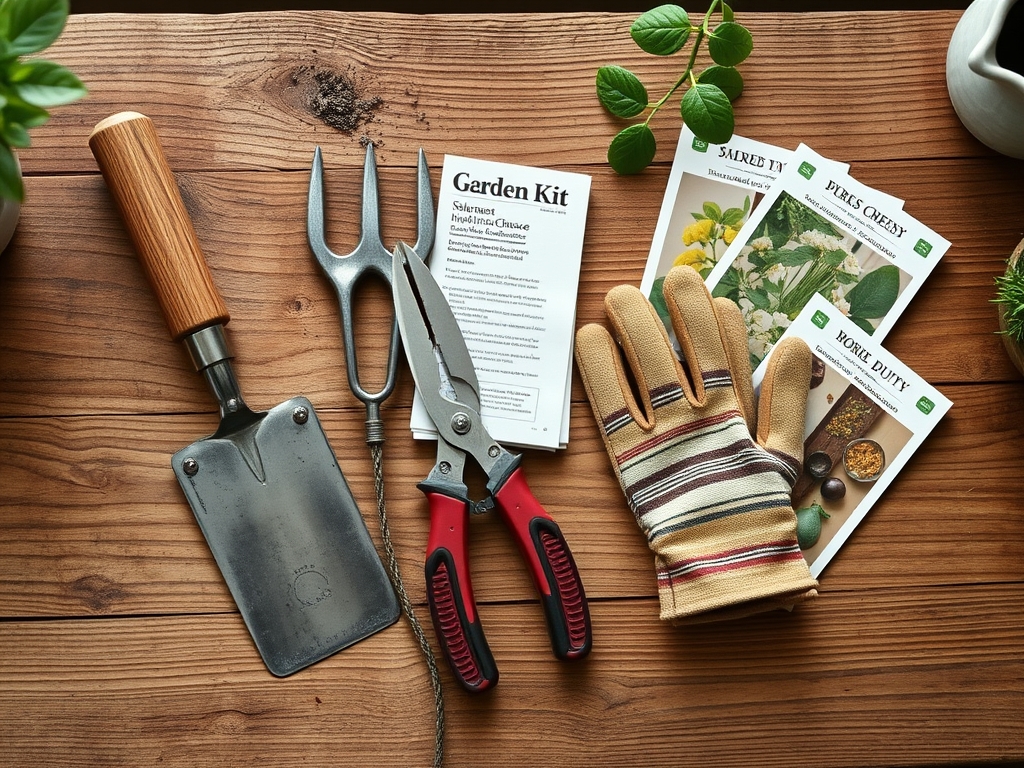
Substrate pH must range between 5.5 and 7.0 to optimize nutrient chelation. Standard potting mix lacks the drainage velocity required for aroids. Construct a custom blend using 40% aged pine bark (particle size 0.25-0.5 inches), 30% peat moss or coir, 20% perlite, and 10% worm castings. This composition delivers a cation exchange capacity near 18 meq/100g while preventing anaerobic pockets.
Fertilizer ratios should trend nitrogen-heavy during active growth. Apply a 3-1-2 or 4-4-4 organic meal every six weeks from March through September. Liquid kelp extract at 1 tablespoon per gallon provides cytokinin precursors that promote lateral shoot development. Mycorrhizal fungi inoculation at transplant establishes symbiotic phosphorus channels. Calcium deficiency manifests as necrotic leaf margins; supplement with 1 teaspoon dolomitic lime per gallon of media annually.
Structural support requires a moss pole or sphagnum-wrapped stake. Aerial roots anchor and absorb moisture. Use coconut coir rope to train stems at 15-degree intervals, encouraging vertical auxin distribution rather than sprawling growth.
Timing
Monstera deliciosa thrives in USDA Hardiness Zones 10-12 outdoors but performs as a container specimen in any zone with controlled environments. Indoor cultivation eliminates frost concerns, yet seasonal light variation affects metabolic rates. Growth accelerates when day length exceeds 13 hours and ambient temperatures stabilize between 68-86°F.
Transplant divisions or rooted cuttings after the last spring frost if transitioning outdoors. For permanent indoor culture, initiate propagation between April and June when root initiation hormones peak. Avoid repotting between November and February; reduced photosynthetic activity slows wound-sealing lignification.
Phases

Sowing: Monstera seeds lose viability within weeks. Surface-sow fresh seeds on moistened sphagnum at 75-80°F under humidity domes. Germination occurs in 10-21 days. Seedlings lack fenestrations for the first 18 months; juvenile leaves remain entire until the plant reaches sufficient stored carbohydrate reserves.
Pro-Tip: Apply 200 ppm indole-3-butyric acid (IBA) rooting hormone to stem cuttings with at least one node and aerial root primordium. Rooting success jumps from 60% to 94% in trials using this auxin concentration.
Transplanting: Move rooted cuttings to 6-inch containers when root mass occupies 70% of the propagation cell. Bury nodes 1 inch below the media surface; adventitious roots emerge from these points within 14 days. Handle aerial roots carefully; damaged root caps lose directional growth capacity for 3-4 weeks.
Pro-Tip: Prune apical meristems at a 45-degree angle just above a node to stimulate axillary bud activation. This technique doubles lateral shoot production within eight weeks.
Establishing: Mature plants require 18-24 inch containers with drainage holes. Repot every 24-30 months or when roots circle the container perimeter twice. Establish moss poles at transplant rather than retrofitting; root integration occurs only during active growth phases. Position plants 6-10 feet from south or west windows; direct sun causes chlorophyll photobleaching and interveinal chlorosis.
Pro-Tip: Rotate containers 90 degrees every two weeks to equalize phototropic bending. Unrotated specimens develop asymmetric canopies and weak petiole attachment angles.
Troubleshooting
Symptom: Yellow leaves with brown margins, especially on mature foliage.
Solution: Overwatering has induced root hypoxia. Reduce irrigation frequency by 30%. Verify drainage holes remain unobstructed. Apply a hydrogen peroxide drench (1 part 3% peroxide to 4 parts water) to oxygenate rootzone microbes.
Symptom: Small new leaves without fenestrations.
Solution: Insufficient light limits carbohydrate production. Relocate to a position receiving 400-600 foot-candles (approximately 8-10 feet from an unobstructed east window). Fenestration development requires 40% more photosynthate than entire-leaf production.
Symptom: Black, mushy stem sections.
Solution: Erwinia or Pythium infection from prolonged moisture. Excise affected tissue 2 inches below visible damage with sterilized shears. Drench remaining substrate with a copper-based fungicide at label rates. Reduce ambient humidity below 65% for three weeks.
Symptom: Thrips cause silvery stippling on new growth.
Solution: Apply spinosad at 4 tablespoons per gallon, targeting leaf undersides and petiole junctions. Repeat at 7-day intervals for three applications. Remove and destroy heavily infested leaves to reduce reproductive sites.
Symptom: White salt crust on soil surface.
Solution: Dissolved solids exceed 1500 ppm. Leach containers with distilled water at triple the pot volume. Switch to fertilizers with lower salt index ratings.
Maintenance
Water when the top 2 inches of substrate dry completely, approximately every 7-10 days in standard indoor conditions. Deliver 1 inch of water per application (measure with a rain gauge placed in the saucer). Empty saucers within 20 minutes to prevent root asphyxiation.
Maintain relative humidity between 50-70%. Group plants to create transpiration microclimates or use humidifiers calibrated to specific vapor pressure deficit targets. Wipe leaves monthly with distilled water to remove dust that blocks stomatal function.
Prune damaged foliage at the petiole base during active growth. Sterilize tools with 70% isopropyl alcohol between cuts to prevent pathogen transmission.
FAQ
How often should I fertilize swiss cheese plants?
Every six weeks during the growing season using a balanced 4-4-4 organic fertilizer at half the manufacturer's recommended strength.
Why aren't my monstera leaves splitting?
Insufficient light or plant immaturity. Juvenile plants under 24 months rarely produce fenestrations. Increase light intensity to 400 foot-candles minimum.
Can I propagate monstera in water?
Yes, but transition cuttings to soil within four weeks. Water roots lack the lignified structure for terrestrial anchoring and desiccate rapidly after transplant.
What causes brown leaf tips?
Fluoride or chlorine toxicity from tap water, or low humidity. Use filtered water and maintain ambient humidity above 50%.
How large do indoor monstera grow?
Container-grown specimens reach 6-8 feet in height over five years. Root restriction and annual pruning control ultimate size.