8 Best Philodendron Micans Vine Tips
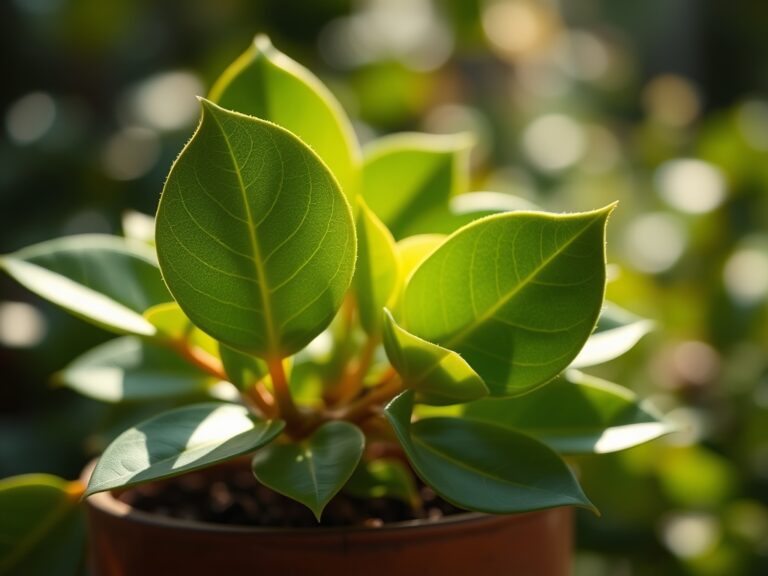
Crushing a handful of damp orchid bark and perlite reveals the gritty, aerated structure required for high-level aroid cultivation. The smell of damp earth indicates an active rhizosphere where beneficial microbes break down organic matter. When you press a leaf between your thumb and forefinger, the resistance you feel is turgor pressure; this is the hydraulic force that keeps the vine upright and expanding. Maintaining this internal pressure is the primary goal of these best philodendron micans vine tips. Philodendron hederaceum var. hederaceum, commonly known as the Micans, is a hemiepiphyte that demands precise environmental control to achieve its maximum leaf size and velvety texture. Success depends on balancing light intensity with moisture levels to prevent cellular collapse or root rot. This guide provides the technical data needed to master this species, focusing on the physiological requirements of the plant from the cellular level up to the macro-environment. By understanding the chemical and biological needs of the Micans, you can transform a standard houseplant into a robust, climbing specimen that exhibits mature leaf morphology.
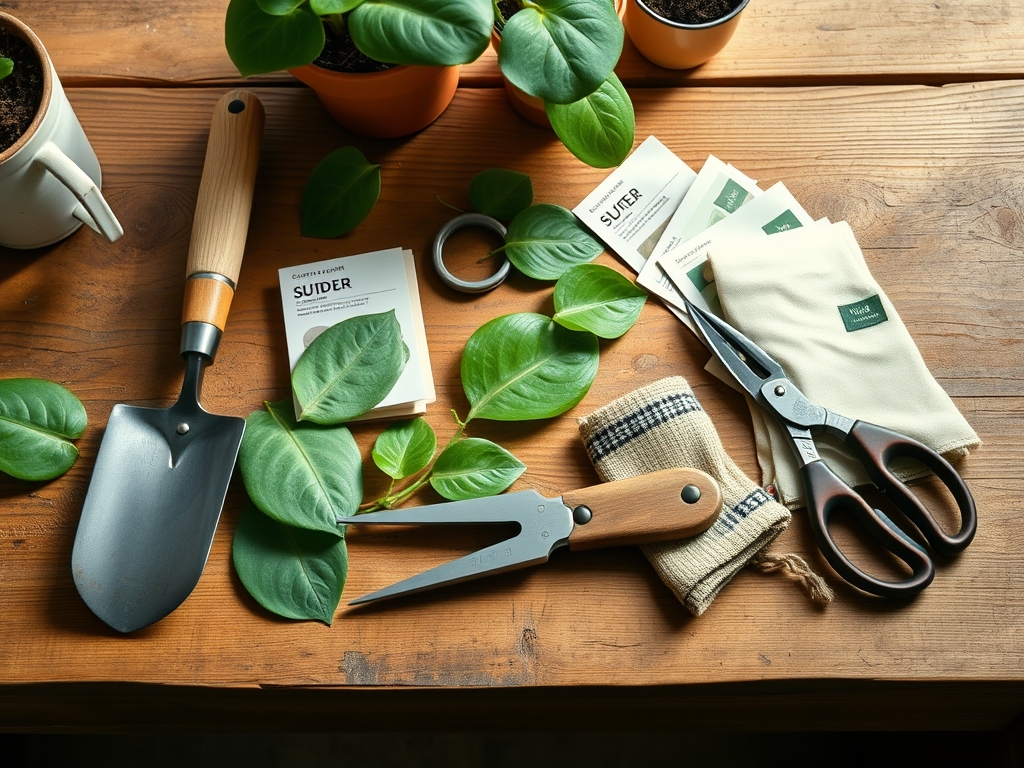
Materials:
The substrate is the foundation of plant health. Philodendron micans requires a pH range between 5.5 and 6.5 to ensure optimal nutrient availability. In more alkaline soils, micronutrients like iron and manganese become chemically locked and unavailable to the roots. The ideal medium is a friable loam or a custom "aroid mix" designed for high Cation Exchange Capacity (CEC).
A professional-grade mix consists of:
- 40 percent orchid bark for structural integrity and aeration.
- 30 percent coconut coir for moisture retention without compaction.
- 20 percent perlite or pumice to facilitate rapid drainage.
- 10 percent worm castings for an immediate biological boost.
For fertilization, utilize a water-soluble NPK ratio of 3-1-2 or 2-1-2 during the active growing season. This high-nitrogen profile supports the rapid expansion of vegetative tissue. Avoid heavy salts; a build-up in the substrate will increase osmotic pressure and pull water out of the roots, leading to leaf tip burn.
Timing:
Philodendron micans is native to tropical environments and is only hardy in USDA Zones 10 through 12. In all other zones, it must be treated as an indoor specimen or moved inside when ambient temperatures drop below 55 degrees Fahrenheit. The biological clock of the Micans is driven by the photoperiod. During the long days of spring and summer, the plant remains in a heavy vegetative state, prioritizing the production of new nodes and foliage.
As light duration decreases in autumn, the plant enters a period of slower metabolic activity. While it does not undergo a true dormancy like temperate species, its demand for water and nutrients drops by approximately 50 percent. Pruning and propagation should be timed for early spring, just as the plant exits this slow phase. This ensures that the high concentration of natural auxins in the apical meristem will drive rapid new growth from the axillary buds.
Phases:

Sowing and Propagation
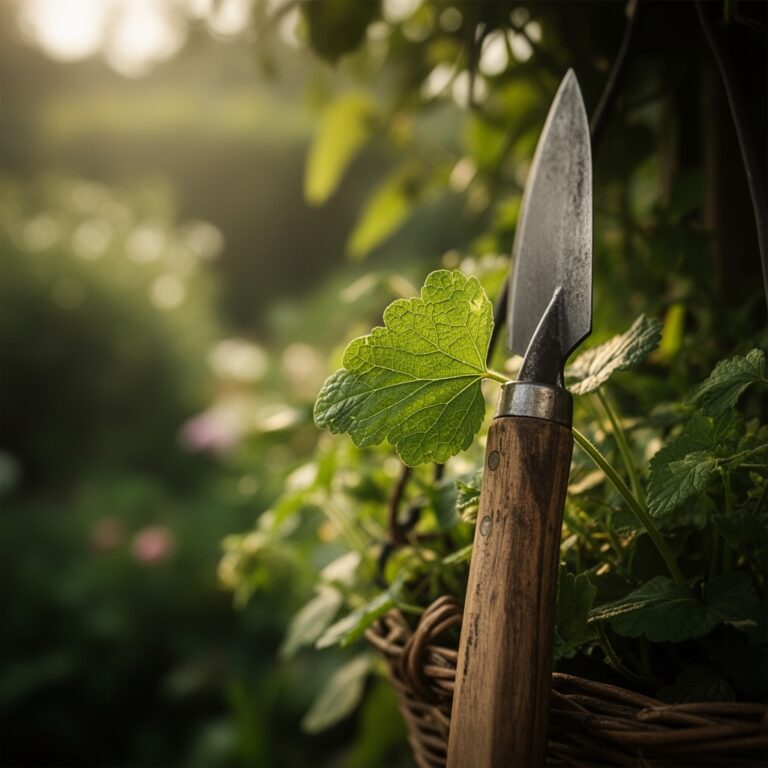
Micans are rarely grown from seed in a home setting; instead, they are propagated via nodal cuttings. Select a healthy vine and cut a section containing at least one node and one leaf. Use a sterilized hori-hori knife or sharp shears to ensure a clean cell-wall break. Place the node in a medium with high humidity, such as damp sphagnum moss.
Pro-Tip: Maintain a consistent temperature of 75 degrees Fahrenheit during rooting to stimulate faster cell division. This is the "Biological Why" of heat mats; increased thermal energy accelerates the metabolic enzymes responsible for root initiation.
Transplanting
Once the cutting has developed roots at least 2 inches long, it is ready for transition to a permanent substrate. Use a pot that provides only 1 inch of space around the root ball. Excessive soil volume leads to "perched water tables," where the bottom of the pot remains saturated, depriving roots of oxygen.
Pro-Tip: Incorporate mycorrhizal fungi into the planting hole. This creates a symbiotic relationship where the fungi extend the root system's reach, increasing the surface area for phosphorus and water absorption.
Establishing and Climbing
To achieve the largest possible leaves, the Micans must climb. In the wild, these plants are phototropic, growing toward the light until they find a vertical surface. Once they begin to climb, the plant undergoes a morphological shift. The leaves grow larger and the internodal spacing decreases.
Pro-Tip: Use a cedar plank or a moss pole. This triggers "thigmotropism," a biological response where the plant alters its growth pattern based on physical contact. This contact signals the plant to produce larger, more mature foliage.
The Clinic:
Symptom: Interveinal Chlorosis
Solution: This is often a sign of magnesium deficiency or a pH imbalance. If the soil pH is above 7.0, the plant cannot absorb magnesium. Flush the soil with distilled water and apply a diluted solution of Epsom salts (magnesium sulfate) to restore the green pigment in the leaf tissue.
Symptom: Leaf Edema (Small bumps or blisters)
Solution: This occurs when the roots take up water faster than the leaves can transpire it. It is a physiological disorder caused by high soil moisture combined with high humidity and low light. Increase airflow using a small fan and reduce watering frequency.
Symptom: Abscission (Leaf Drop)
Solution: Sudden loss of older leaves usually indicates a nitrogen deficiency or extreme temperature shock. If the lower leaves turn yellow before falling, apply a 10-10-10 balanced fertilizer at half strength to replenish the nitrogen pool within the plant.
Maintenance:
Precision maintenance prevents the "boom and bust" cycle of plant health. Use a soil moisture meter to verify that the top 2 inches of substrate are dry before adding water. On average, a Micans in a 6-inch pot requires approximately 12 to 16 ounces of water per week, though this varies based on evaporation rates.
Pruning should be done with bypass pruners rather than anvil pruners to avoid crushing the vascular bundles (xylem and phloem). When the vines exceed your desired length, cut 0.25 inches above a node. This removes the apical dominance of the vine, forcing the plant to redirect energy to dormant lateral buds, resulting in a bushier appearance. Clean the leaves once a month with a damp cloth to remove dust, which can block stomata and reduce photosynthetic efficiency by up to 20 percent.
The Yield:
While Philodendron micans is not an edible crop, its "yield" is measured in the quality and quantity of its foliage. For the best aesthetic results, harvest cuttings for propagation during the peak of the growing season. When taking cuttings for gifts or expansion, place them immediately in a container of room-temperature water. This maintains the hydraulic column within the stem and prevents air embolisms from forming in the xylem. For long-term freshness of the parent plant, ensure that no more than 25 percent of the total biomass is removed at any one time to prevent metabolic shock.
FAQ:
Why are my Micans leaves turning small and leggy?
This is a response to low light called etiolation. The plant increases internodal spacing to "reach" for a light source. Increase light intensity to at least 200 foot-candles to restore compact growth and larger leaf production.
How often should I fertilize my Philodendron micans?
Apply a liquid 3-1-2 NPK fertilizer every two weeks during the spring and summer. Reduce this to once every six weeks in winter. Always apply fertilizer to damp soil to prevent root desiccation from concentrated mineral salts.
Can Philodendron micans grow in low light?
It can survive in low light, but it will not thrive. For the best velvet texture and deep bronze color, provide bright, indirect light. Avoid direct afternoon sun, which can cause leaf scorch and permanent cellular damage.
What is the best humidity level for Micans?
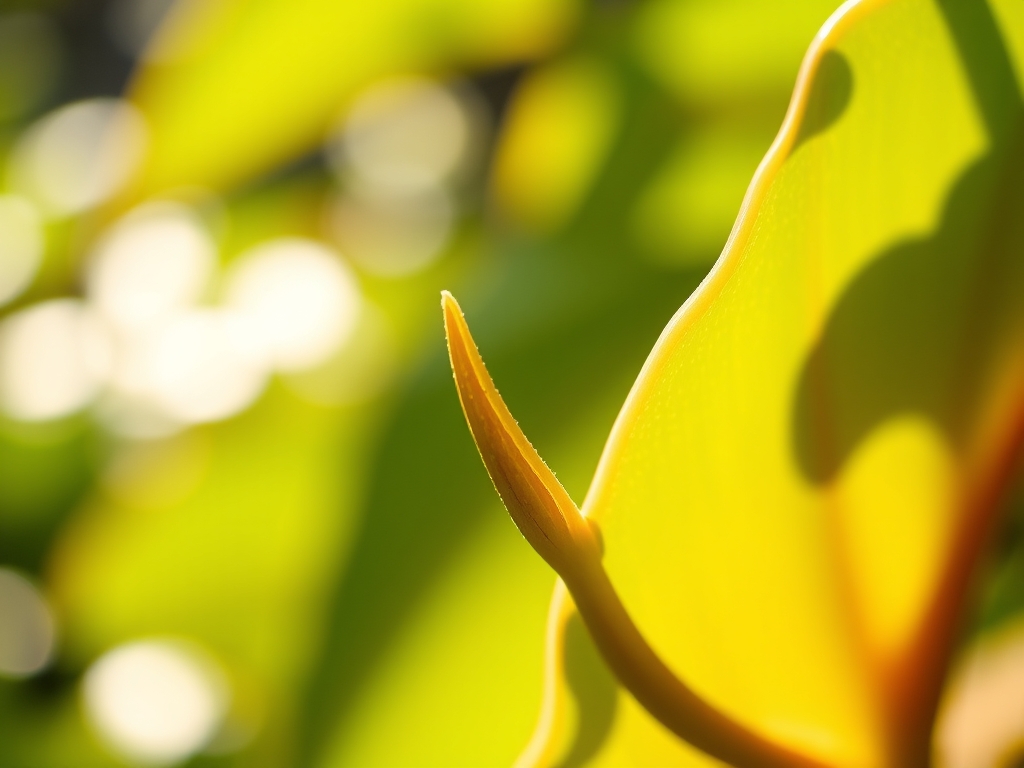
Aim for a relative humidity of 50 to 60 percent. While they tolerate average household levels, higher humidity supports larger leaf expansion and prevents the new leaves from getting stuck in the cataphyll during the unfurling process.