10 Pro Tips How to Grow Whale Fin Sansevieria
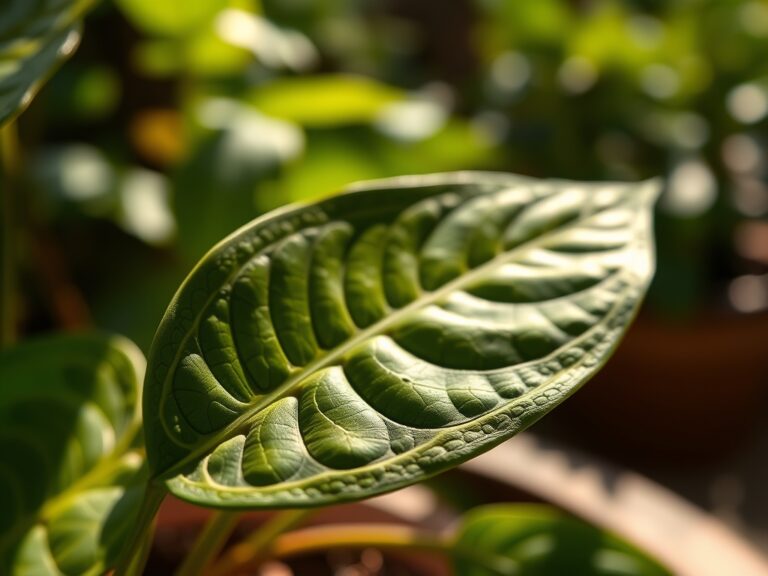
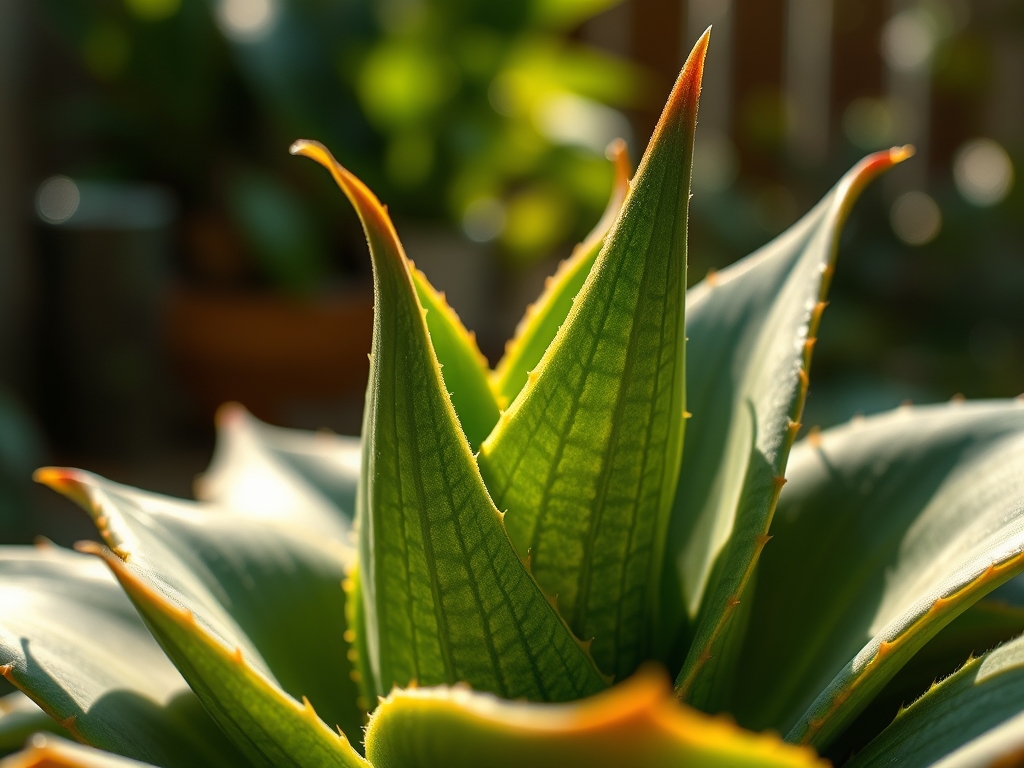
The sharp, metallic scent of wet perlite and the grit of coarse silica sand under the fingernails define the workspace of a serious cultivator. Success with Sansevieria masoniana, commonly known as the Whale Fin, depends entirely on the turgor pressure within its massive, paddle-shaped leaves. A healthy specimen feels like rigid, cold stone rather than soft foliage. Mastering how to grow whale fin sansevieria requires a shift in perspective from traditional houseplant care to specialized succulent physiology. This plant is a slow-growing titan that stores massive amounts of water in its specialized parenchyma cells. If the leaf feels pliable or soft to the touch, the cellular structure is failing due to osmotic stress or root senescence. You are not just growing a leaf; you are managing a pressurized hydraulic system anchored by a heavy, subterranean rhizome. Every decision, from the mineral composition of the substrate to the intensity of the light, must prioritize the integrity of this central storage organ to ensure the plant reaches its full architectural potential.
Materials:
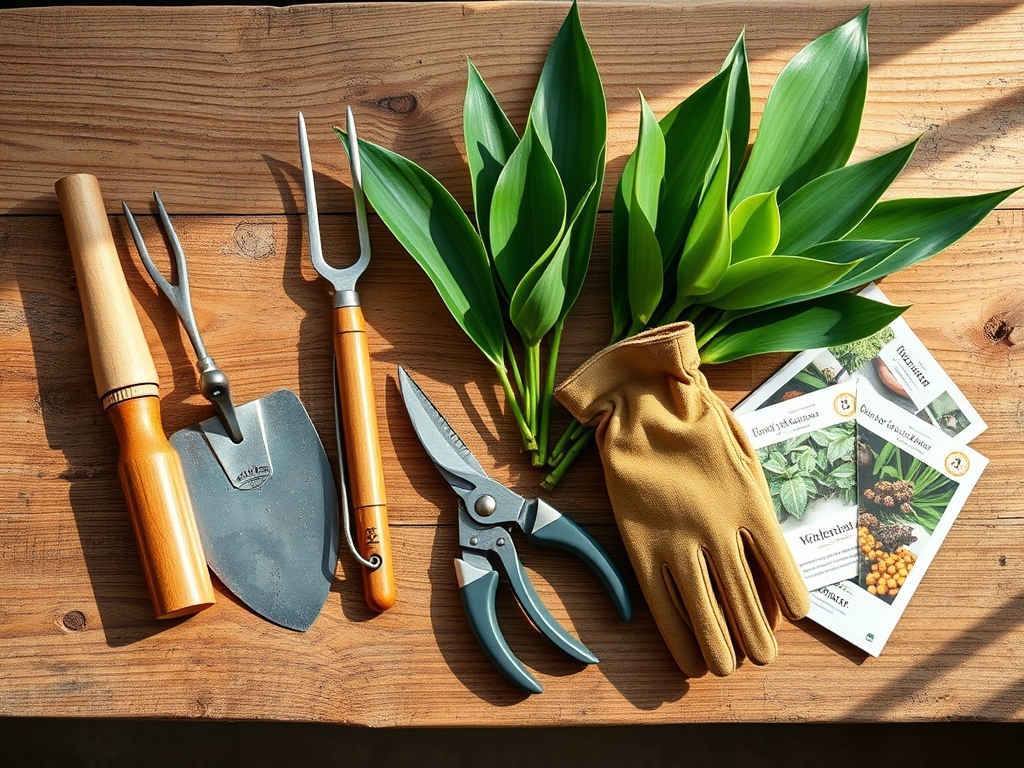
The Whale Fin requires a substrate with a high Cation Exchange Capacity (CEC) but exceptionally low water retention. Avoid standard potting soils which hold moisture for too long and trigger fungal pathogens.
- Substrate Composition: A friable loam mixed at a ratio of 1:1:1 consisting of pumice, coarse poultry grit, and coco coir. The texture must be gritty and sharp to the touch.
- Soil pH: Maintain a range between 6.0 and 7.5. Sansevieria are tolerant of slightly alkaline conditions but thrive in a neutral environment where micronutrient availability is optimized.
- Nutrient Profile: Use a low-nitrogen fertilizer with an NPK ratio of 3-1-2 or 10-15-10. Excessive nitrogen leads to rapid, weak cellular expansion, resulting in leaves that flop or split under their own weight.
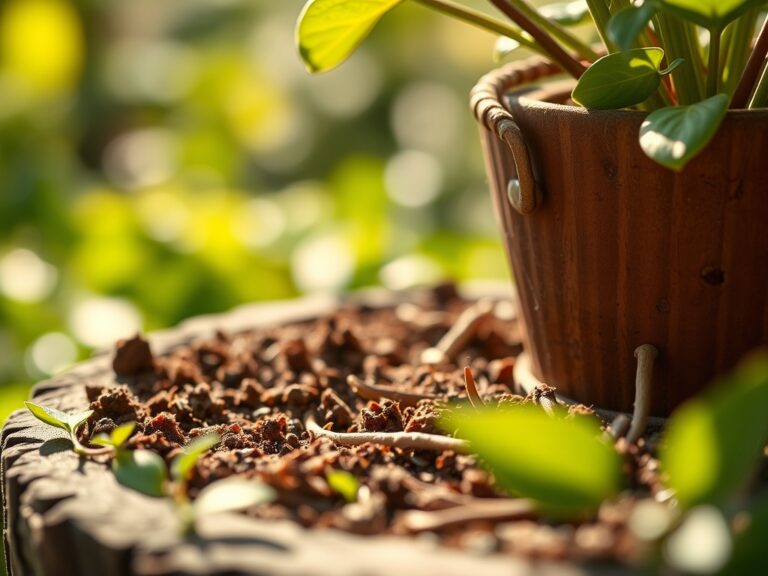
- Container: Heavy unglazed terracotta is mandatory. The porous walls allow for lateral evaporation, preventing the "perched water table" effect that occurs in plastic pots.
Timing:
The Whale Fin is hardy in USDA Zones 10 through 11. In these regions, it can remain outdoors year-round. For all other zones, the plant must be moved indoors when ambient temperatures drop below 55 degrees Fahrenheit. The biological clock of this species is tied to light intensity and temperature rather than strict calendar dates.
The transition from the vegetative stage to the reproductive stage (flowering) is rare and usually occurs in late summer if the plant has reached a state of "root-bound stress." Flowering consumes significant carbohydrates; if your goal is leaf size, snip the flower stalk early to redirect auxins and sugars back to the rhizome. Growth typically stalls during the winter photoperiod when daylight falls below 10 hours. Do not attempt to force growth with heavy watering during this dormant phase.
Phases:
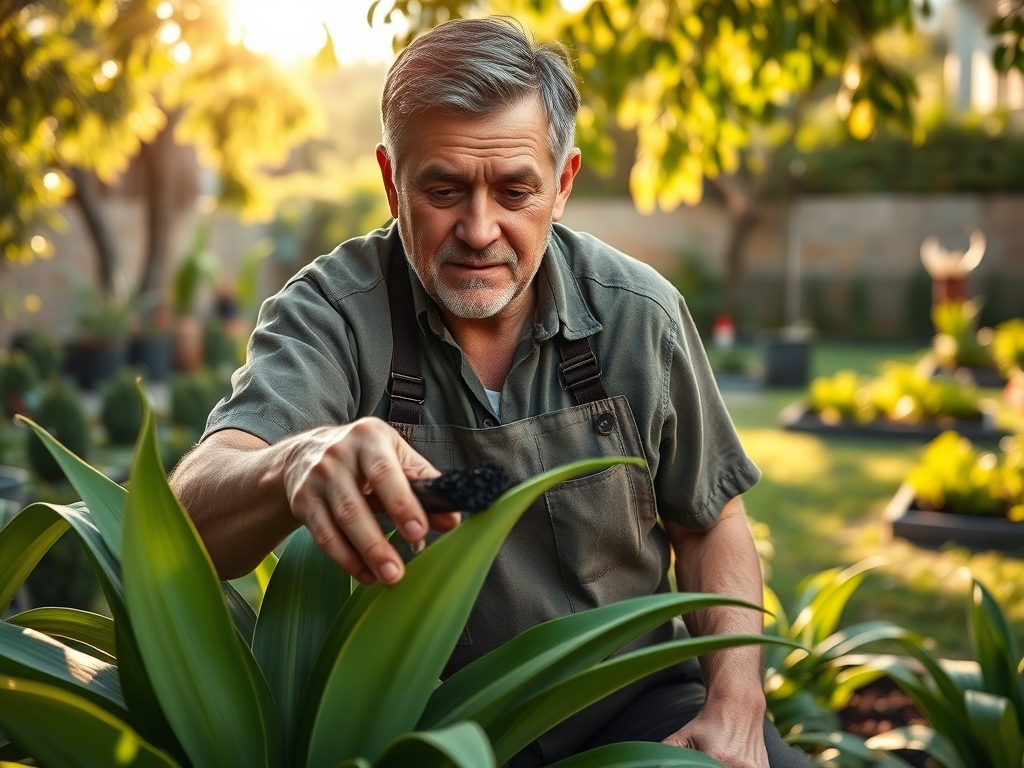
Sowing and Propagation
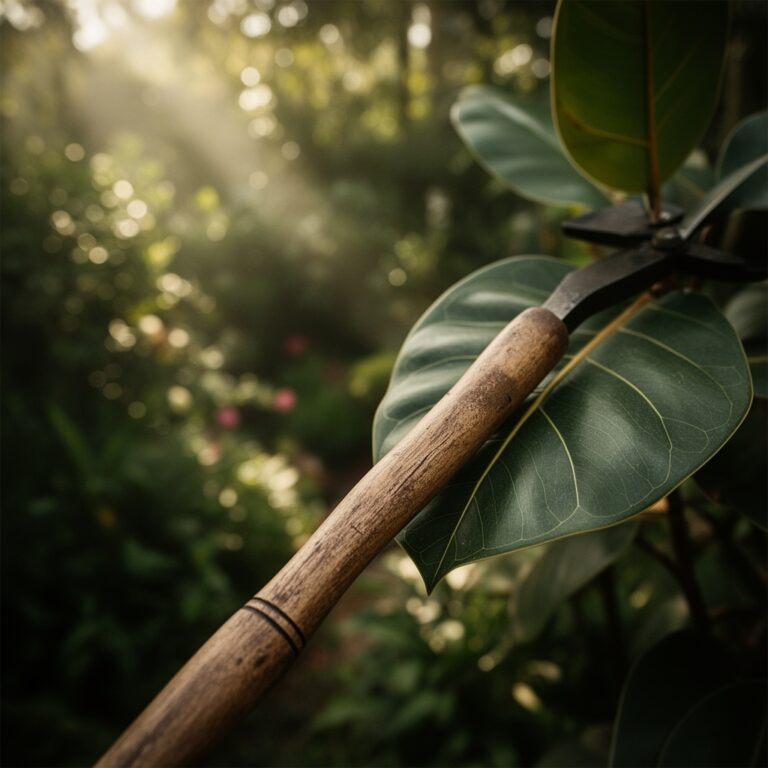
Whale Fins are rarely grown from seed due to extremely low germination rates and slow maturation. Propagation is best achieved via rhizome division. Use a sterilized hori-hori knife to sever a pup from the mother plant, ensuring at least two inches of healthy rhizome remains attached to the offset.
Pro-Tip: Allow the cut surface to callus for 72 hours before potting. This prevents opportunistic pathogens from entering the vascular system via the open wound, a process known as suberization.
Transplanting
When moving a Whale Fin to a new vessel, do not increase the pot size by more than one inch in diameter. These plants prefer a constricted rhizosphere. Ensure the top of the rhizome is situated no more than one inch below the soil surface.
Pro-Tip: Position the flat side of the leaf toward the primary light source. This maximizes the surface area for photosynthesis and prevents the plant from leaning, a phenomenon called positive phototropism driven by auxin redistribution.
Establishing
The establishment phase lasts 6 to 8 weeks. During this time, the plant is focused on developing a secondary root system. Do not apply fertilizer during this window. Maintain a steady temperature of 70 to 80 degrees Fahrenheit to encourage metabolic activity.
Pro-Tip: Avoid moving the pot during this phase. Frequent changes in light orientation force the plant to constantly reallocate energy to adjust its leaf angle, which slows root development and reduces overall vigor.
The Clinic:
Physiological disorders in Sansevieria are almost always a result of improper moisture management or light levels.
- Symptom: Soft, mushy base with a foul odor.
- Diagnosis: Bacterial Soft Rot (Erwinia).
- Solution: This is often terminal. If caught early, excise the infected tissue with a sterile blade and treat the remaining healthy rhizome with a sulfur-based fungicide.
- Symptom: Vertical splitting of the leaf blade.
- Diagnosis: Irregular turgor pressure.
- Solution: This occurs when a dehydrated plant is suddenly flooded with water. Maintain a consistent, lean watering schedule to keep cell walls flexible.
- Symptom: Pale, yellowing leaves (Chlorosis).
- Diagnosis: Nitrogen deficiency or light bleaching.
- Solution: If the leaf is soft, it is likely light stress. If the leaf is firm but pale, apply a balanced liquid fertilizer at half-strength during the next watering cycle.
Maintenance:
Precision is the difference between a surviving plant and a thriving one. Use a soil moisture meter to verify that the substrate is 100 percent dry before adding water. When you do water, apply enough to saturate the root ball until water exits the drainage holes; this flushes out accumulated mineral salts.
In a typical indoor environment, this equates to roughly 0.5 to 1.0 cup of water every 3 to 4 weeks. Use a damp microfiber cloth to wipe the leaf surface monthly. Dust accumulation blocks stomata and reduces photosynthetic efficiency by up to 30 percent. If pruning is necessary to remove a damaged tip, use bypass pruners for a clean cut that minimizes tissue trauma.
The Yield:
While not an edible crop, the "yield" of a Whale Fin is its pup production. A mature, healthy plant will produce one to two offsets per growing season. To harvest these for new plants, wait until the pup is at least one-third the height of the parent leaf. This ensures the offset has developed sufficient independent root mass to survive the transition. After removing the pup, keep it in a bright, indirect light location for the first month to prevent desiccation.
FAQ:
How much light does a Whale Fin need?
While they tolerate low light, they thrive in bright, indirect sunlight. Aim for 100 to 200 foot-candles. Avoid direct midday sun, which can cause permanent scorch marks and cellular collapse on the leaf surface.
Why is my Whale Fin leaf leaning?
Leaning is usually a sign of insufficient light or an undersized root system. The plant leans toward the light source via phototropism. Stake the leaf temporarily and increase light exposure to strengthen the structural fibers in the base.
Can I grow Whale Fin in water?
You can root cuttings in water, but long-term cultivation is not recommended. The lack of oxygen in stagnant water leads to rhizome hypoxia and rot. For long-term health, a mineral-heavy, well-draining soil substrate is required.
How fast do Whale Fin Sansevieria grow?
They are notoriously slow growers. A single leaf may only produce one pup per year. Growth speed is dictated by temperature and light; keeping the plant at a steady 75 degrees Fahrenheit maximizes its metabolic rate.