10 Easy Steps to Use Barrel Planters
The sharp crack of a wooden barrel stave breaking under a mallet announces the transformation of a weathered whiskey cask into a precision growing vessel. Container gardening demands an understanding of porosity, drainage velocity, and root zone temperature. Mastering the steps to use barrel planters converts neglected cooperage into engineered environments where auxin distribution and cation exchange capacity work in your favor. The curved staves hold 15 to 25 gallons of substrate, enough volume to buffer pH swings while maintaining stable moisture gradients from April through October.
Materials
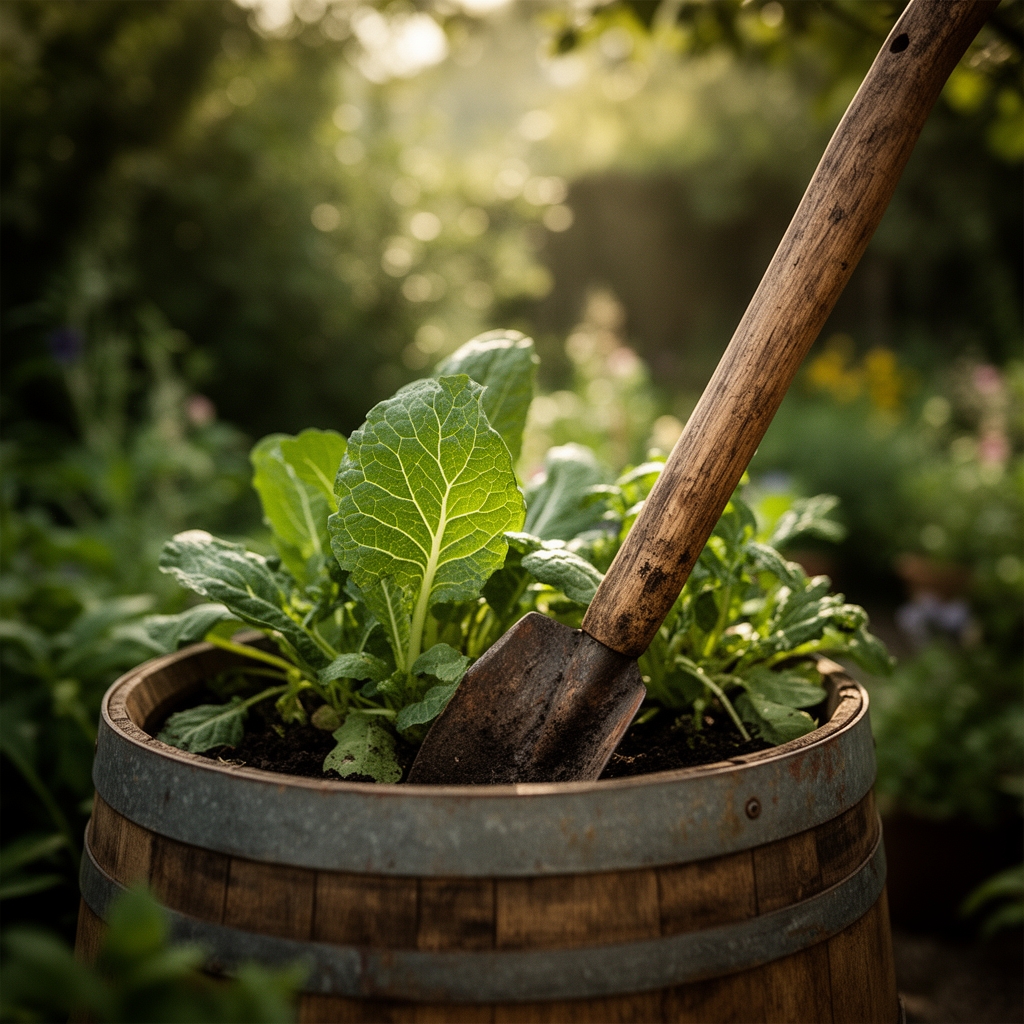
Select a true barrel with intact hoops and staves measuring 22 to 26 inches in diameter. Avoid plastic replicas. They lack thermal mass and create anaerobic pockets.
Substrate Components (pH 6.2-6.8):
- Aged pine bark fines: 40% by volume, particle size 0.25-0.5 inches
- Canadian sphagnum peat moss: 30%, pH buffering agent
- Perlite (horticultural grade #3): 20%, maintains 15% air-filled porosity
- Compost (finished, 6-month cure): 10%, contributes slow-release nitrogen
Fertilizer Foundation:
- Organic all-purpose meal (4-4-4 NPK): 1 cup per 5 gallons of substrate
- Kelp meal (1-0.1-2): 2 tablespoons per barrel, trace mineral source
- Mycorrhizal inoculant: 2 ounces Glomus intraradices, mixed at root zone
Physical Infrastructure:
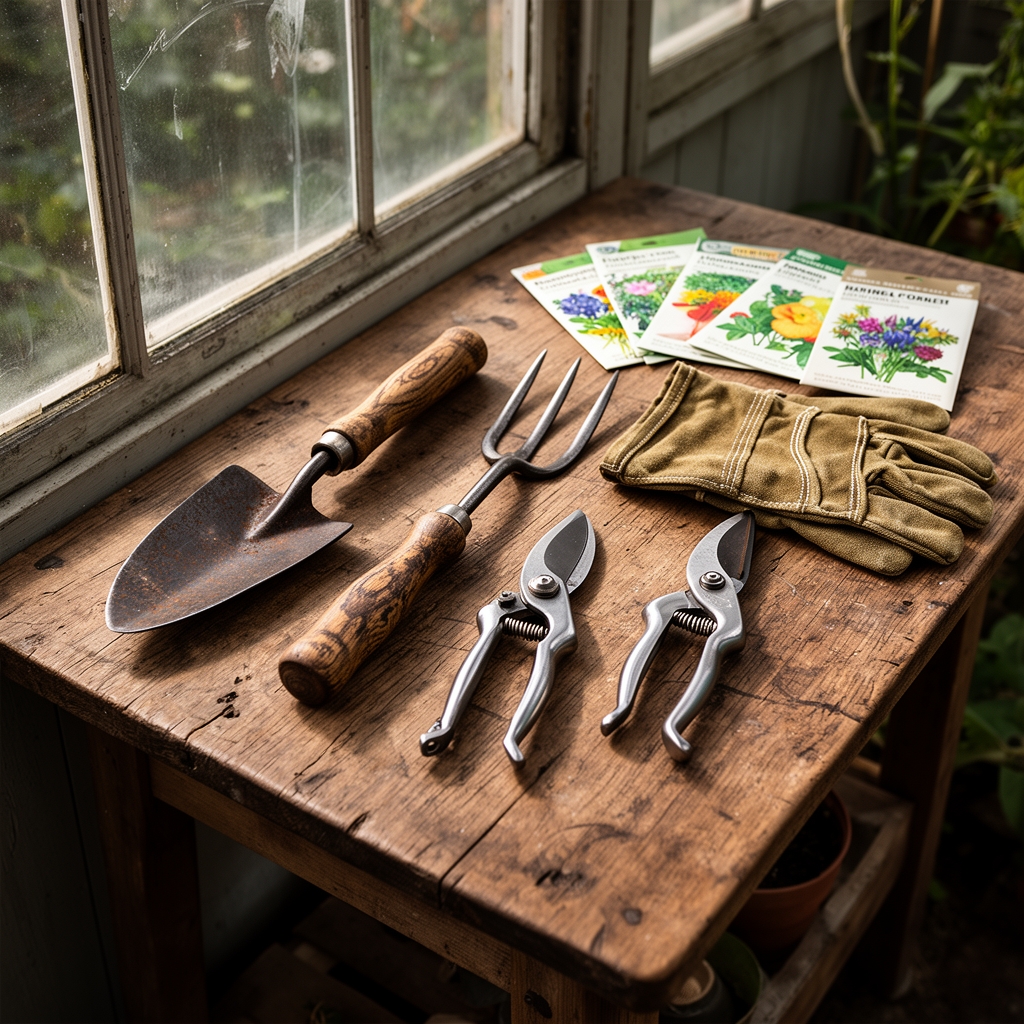
- Spade bit, 0.75-inch diameter, for drainage perforations
- Landscape fabric (3 oz/sq yd), cut into 8-inch circles
- Galvanized steel hoops: verify integrity, replace if rust penetrates >30%
Timing
Hardiness Zones 5-7 permit barrel preparation 14 days before the last spring frost. Soil temperature at 4-inch depth must reach 55°F for warm-season crops, 45°F for brassicas and lettuces. In Zone 8-9, work begins in late February. Frost-date windows compress near the coasts; inland valleys gain three additional weeks.
Fall planting for perennials (lavender, rosemary, sage) occurs 6-8 weeks before first frost. Root establishment requires 300-400 growing degree days before dormancy. Winter barrels in Zones 6 and colder need relocation to south-facing walls or insulation wraps to prevent freeze-thaw cycles that crack both cooperage and root balls.
Phases
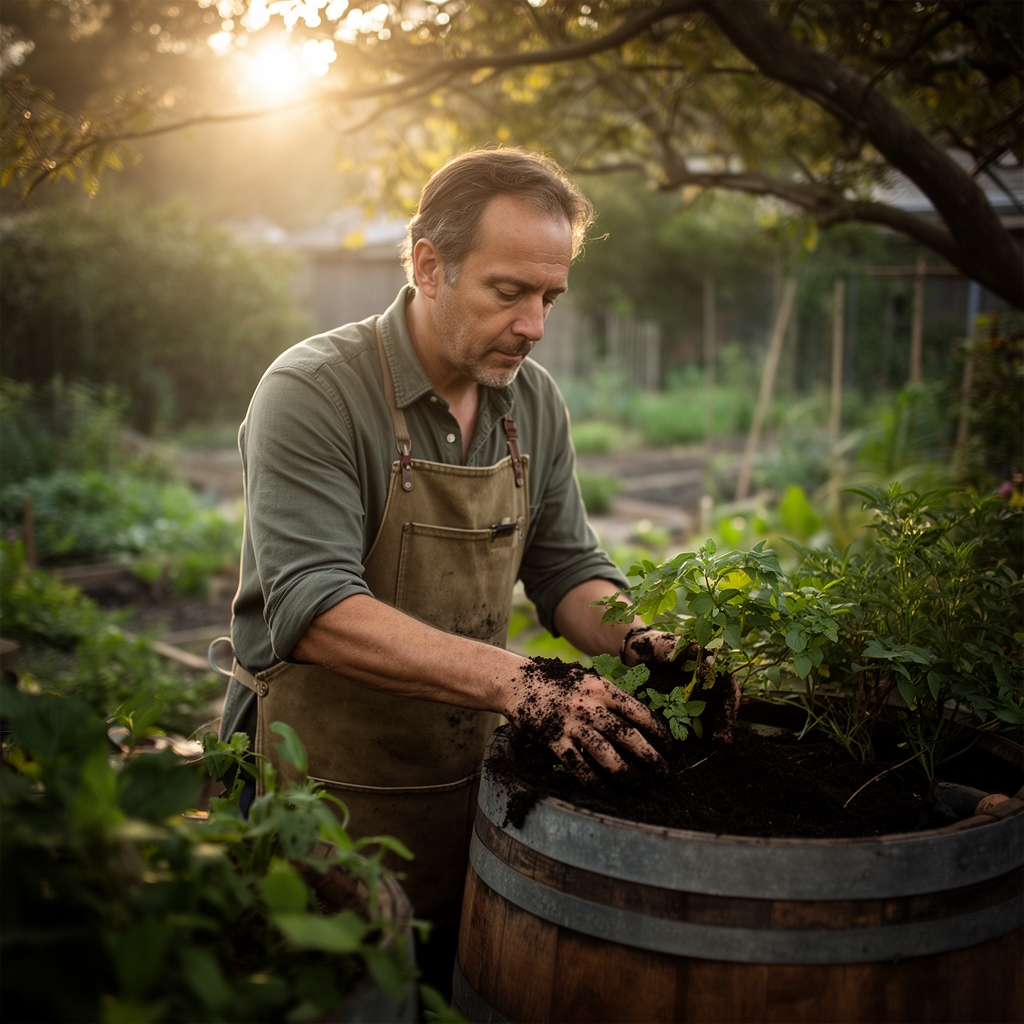
Sowing Phase (Weeks 1-3):
Drill six drainage holes at 60-degree intervals around the barrel base, each hole positioned 1 inch above the bottom stave. Cover each perforation with landscape fabric circles to prevent substrate loss while maintaining water flow at 2 inches per hour. Fill to 2 inches below the rim with pre-moistened substrate blend. The meniscus should settle to 3 inches below after initial watering, which eliminates air gaps that desiccate fine roots.
Pro-Tip: Inoculate substrate with mycorrhizal fungi by dusting Glomus powder directly onto moistened root balls during transplant. Contact with phosphorus fertilizer within 6 inches inhibits hyphal colonization.
Transplanting Phase (Weeks 4-6):
Excavate planting pockets 1.5 times the width of nursery containers. Tomatoes, peppers, and eggplants require 12-inch spacing from barrel center. Bury tomato stems to the first true leaves; adventitious roots emerge from submerged nodes within 96 hours, doubling anchorage capacity. Firm substrate around root balls using knuckle pressure, not palm compression, to preserve 12-15% air porosity.
Pro-Tip: Prune transplant roots at 15-degree angles with sterilized shears. Blunt cuts promote callus tissue over fibrous branching.
Establishing Phase (Weeks 7-12):
Monitor substrate EC (electrical conductivity) bi-weekly. Target range: 1.5-2.5 mS/cm for vegetable crops, 1.0-1.5 mS/cm for herbs. Readings above 3.0 indicate salt accumulation; flush with volume equal to twice the barrel capacity. Apply liquid kelp (0-0-1 NPK) at 1 tablespoon per gallon every 14 days to support cytokinin production and stress tolerance.
Pro-Tip: Train indeterminate tomatoes to single leaders by removing suckers at 45-degree angles when shoots reach 3 inches. Wound closure occurs within 48 hours in ambient humidity above 40%.
Troubleshooting
Symptom: Interveinal chlorosis on new growth, leaf edges cupping upward.
Solution: Iron deficiency caused by substrate pH above 7.2. Drench with chelated iron (Fe-EDDHA) at 1 teaspoon per gallon. Retest pH in 72 hours; amend with elemental sulfur at 1 tablespoon per 5 gallons if needed.
Symptom: Blossom end rot: leathery brown lesions on fruit basal ends.
Solution: Calcium translocation failure, not deficiency. Maintain consistent moisture; substrate should register 60-70% water-filled pore space. Avoid nitrogen excess (>150 ppm), which competes with calcium uptake.
Symptom: Wilting despite moist substrate, root tips brown and soft.
Solution: Pythium root rot, promoted by substrate temperatures exceeding 78°F. Improve drainage velocity. Apply Trichoderma harzianum (biocontrol fungus) at label rates. Elevate barrel on kiln-dried cedar blocks for air circulation.
Symptom: White powdery coating on leaf surfaces, primarily upper canopy.
Solution: Powdery mildew (Erysiphe cichoracearum). Reduce foliar nitrogen. Spray potassium bicarbonate solution (1 tablespoon per gallon) at 7-day intervals, targeting abaxial leaf surfaces.
Symptom: Sudden collapse of central stem, frass at soil line.
Solution: Squash vine borer (Melittia cucurbitae). Inject Bacillus thuringiensis var. kurstaki into entry holes using syringe. Mound substrate over wounded stem sections to promote adventitious rooting.
Maintenance
Deliver 1 inch of water per week through drip emitters or hand watering at dawn. Substrate surface should dry to 0.5 inches between irrigations to promote oxygen diffusion. In temperatures exceeding 90°F, increase to 1.5 inches weekly.
Side-dress with compost (1-inch layer) at weeks 8 and 14. Scratch into top 2 inches without disturbing feeder roots. Foliar feed with fish emulsion (5-1-1 NPK) diluted to half-strength every 21 days for fruiting crops.
Rotate barrels 90 degrees every 10 days to equalize light distribution. South-facing aspects receive 40% more photosynthetically active radiation than north exposures in mid-summer.
Prune determinate varieties to 4-5 main branches. Remove foliage below first fruit set to improve air circulation and reduce early blight pressure (Alternaria solani).
FAQ
How long do barrel planters last?
Untreated oak or cedar barrels endure 7-10 seasons outdoors. Apply linseed oil to exterior surfaces annually to extend service life to 12 years. Interior charring from whiskey aging provides natural rot resistance.
Can I reuse substrate between seasons?
Yes, after solarization. Empty barrels, spread substrate 4 inches deep on plastic sheeting, cover with clear polyethylene, and expose to direct sun for 6 weeks when ambient temperatures exceed 80°F. This process raises substrate temperature to 140°F, eliminating pathogens.
What NPK ratio suits tomatoes in barrels?
Begin with balanced 4-4-4 at transplant. Switch to 2-3-6 ratio at first fruit set to shift energy from vegetative growth to reproductive development. Excess nitrogen delays ripening and reduces brix levels.
Do barrels need saucers underneath?
Only on decks or patios where tannin staining matters. Saucers without drainage holes create anaerobic conditions. Use pot feet to elevate barrels 2 inches, allowing air pruning of roots that exit drainage holes.
Which crops fail in barrel planters?
Deep taprooted species: carrots longer than 6 inches, parsnips, and daikon radish. Also avoid sprawling crops like pumpkins and watermelons unless you provide 40 square feet of horizontal support per plant.